
-
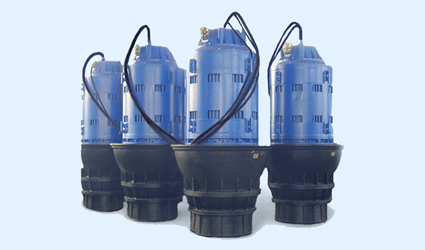
PRODUCTS
We adhere to independent innovation in science and technology and possess core technologies in the research and development, production and manufacturing of submersible pump products.
-

PROJECTS
Lanshen people are working hand in hand with friends from all walks of life to fulfill the corporate purpose of "creating a green environment and being responsible for the future", becoming the investment subject and partner of many projects, and constantly rewriting the history of China's water industry.
-

NEWS
Follow our updates in real time, from the known to the unknown, the exploration never stops
-
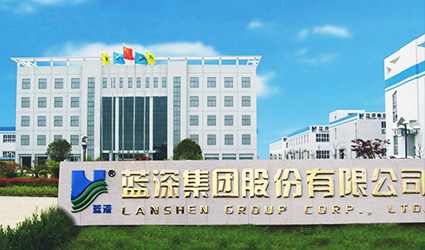
ABOUT
Founded in 1958, it is a national environmental protection enterprise and a high-tech enterprise. As a manufacturer of submersible sewage pumps and agitators

25
2025
-
02
Understanding the Efficiency of Single Vane Impeller Sewage Pumps in Industrial Applications
Understanding the Efficiency of Single Vane Impeller Sewage Pumps in Industrial Applications
Table of Contents
1. Introduction to Single Vane Impeller Sewage Pumps
2. The Mechanics of Single Vane Impellers
3. Advantages of Single Vane Impeller Design
3.1 Enhanced Efficiency in Wastewater Transport
3.2 Reduced Maintenance Requirements
4. Factors Affecting Pump Efficiency
4.1 Fluid Characteristics
4.2 Pump Design and Configuration
5. Applications of Single Vane Impeller Sewage Pumps in Industry
5.1 Municipal Wastewater Management
5.2 Industrial Waste Processing
6. Best Practices for Operating and Maintaining Sewage Pumps
7. Frequently Asked Questions (FAQs)
8. Conclusion
1. Introduction to Single Vane Impeller Sewage Pumps
Sewage pumps play a crucial role in managing water waste in various industrial applications. Among the different types of pumps available, **single vane impeller sewage pumps** stand out for their efficiency and effectiveness. These pumps are designed to handle a wide range of wastewater types and are essential for maintaining hygienic and operational standards in industrial settings.
In this article, we will delve into the mechanics, advantages, and applications of single vane impeller sewage pumps, equipping you with the necessary knowledge to make informed decisions for your industrial needs.
2. The Mechanics of Single Vane Impellers
Single vane impellers consist of one blade or vane that is strategically designed to push fluids through the pump casing. This configuration allows for a streamlined flow of sewage, optimizing the hydraulic performance of the pump. The impeller rotates within the casing, creating a differential pressure that propels the wastewater forward, making it an efficient choice for transport in various industrial applications.
The unique design of the single vane allows for high flow rates with minimal energy consumption. This efficiency is primarily due to the reduction of turbulence within the pump, which can lead to energy losses in other types of impeller designs.
3. Advantages of Single Vane Impeller Design
Understanding the benefits of single vane impeller sewage pumps is essential for evaluating their suitability for specific industrial applications.
3.1 Enhanced Efficiency in Wastewater Transport
One of the most notable advantages of single vane impeller pumps is their exceptional efficiency in transporting wastewater. The streamlined design minimizes friction and turbulence, enabling the pump to move larger volumes of sewage with reduced energy consumption. This efficiency translates to lower operational costs and improved sustainability in industrial processes.
3.2 Reduced Maintenance Requirements
Another significant advantage of single vane impeller pumps is their lower maintenance requirements. The simple design of the impeller reduces the likelihood of clogs and wear, leading to longer operational lifespans. Users can expect less frequent downtime and lower repair costs, making these pumps an attractive option for industrial applications.
4. Factors Affecting Pump Efficiency
While single vane impeller pumps are designed for optimal performance, several factors can influence their efficiency in real-world applications.
4.1 Fluid Characteristics
The properties of the fluid being pumped, such as viscosity, temperature, and solid content, can significantly impact the efficiency of the pump. For instance, highly viscous fluids may require more energy to transport, while liquids with high solid content can lead to clogging issues. Understanding these characteristics is essential for selecting the right pump and ensuring its efficient operation.
4.2 Pump Design and Configuration
Beyond the basic impeller design, other aspects of the pump's construction—such as casing design, motor specifications, and installation setup—also affect efficiency. Proper alignment and sizing are crucial to minimize energy loss and maintain optimal performance throughout the pump's operational life.
5. Applications of Single Vane Impeller Sewage Pumps in Industry
The versatility of single vane impeller pumps allows them to be employed in a variety of industrial applications.
5.1 Municipal Wastewater Management
Municipalities rely heavily on sewage pumps for the efficient management of wastewater. Single vane impeller pumps are ideal for transporting sewage from collection systems to treatment facilities, ensuring that waste is processed efficiently and hygienically.
5.2 Industrial Waste Processing
Industries generating significant volumes of wastewater, such as food processing, manufacturing, and chemical production, benefit from the robust performance of single vane impeller sewage pumps. Their efficiency helps these facilities comply with environmental regulations while minimizing operating costs.
6. Best Practices for Operating and Maintaining Sewage Pumps
To maximize the efficiency and lifespan of single vane impeller sewage pumps, adhering to best practices for operation and maintenance is essential. Regular inspections and maintenance schedules can help detect issues before they escalate, ensuring continuous pump performance.
- **Routine Cleaning**: Regularly clean the pump and surrounding area to prevent debris buildup, which can lead to clogs or operational issues.
- **Monitor Operating Conditions**: Keep an eye on the pump’s operating temperature and pressure to identify potential problems early.
- **Lubrication**: Ensure that moving parts are properly lubricated to reduce wear and tear, enhancing the pump’s reliability.
7. Frequently Asked Questions (FAQs)
What are single vane impeller sewage pumps used for?
Single vane impeller sewage pumps are primarily used for transporting wastewater within municipal and industrial systems, ensuring effective waste management and treatment.
How do single vane impeller pumps compare to multi-vane designs?
Single vane impeller pumps typically offer higher efficiency and require less maintenance than multi-vane designs, making them a preferred option for many industrial applications.
What factors should I consider when selecting a sewage pump?
Key factors include the type of fluid being pumped, flow rate requirements, pump efficiency, installation space, and maintenance needs.
How can I improve the efficiency of my sewage pump?
Regular maintenance, proper sizing, and ensuring clean operating conditions can significantly enhance your pump's efficiency.
What common issues can arise with sewage pumps?
Common issues include clogging, wear and tear on components, and improper alignment, which can lead to reduced efficiency or pump failure.
Conclusion
Understanding the efficiency of single vane impeller sewage pumps is vital for industrial applications that demand reliable wastewater transport. Their streamlined design, operational benefits, and versatility make them an essential component in effective sewage management. By considering the factors that influence pump efficiency and adhering to best practices in operation and maintenance, industries can ensure optimal performance and longevity of their sewage pumps.
More information

Email: info@lanshengroup.com
Email:trade@lanshengroup.com
Tel:86-025-57507802/86-13814194132
Address: NO.305,East Xiongzhou Rd,Liuhe,Nanjing City,Jiangsu Province


Copyright©2024 Nanjing lanshen Pump Corp.LTD All rights reserved.