
-
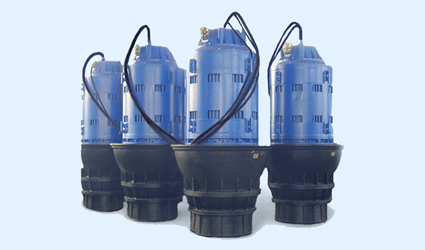
PRODUCTS
We adhere to independent innovation in science and technology and possess core technologies in the research and development, production and manufacturing of submersible pump products.
-

PROJECTS
Lanshen people are working hand in hand with friends from all walks of life to fulfill the corporate purpose of "creating a green environment and being responsible for the future", becoming the investment subject and partner of many projects, and constantly rewriting the history of China's water industry.
-

NEWS
Follow our updates in real time, from the known to the unknown, the exploration never stops
-
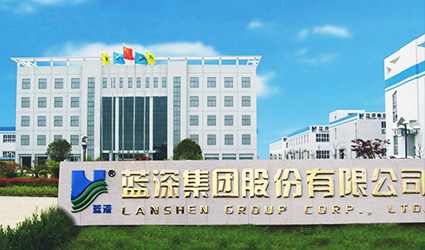
ABOUT
Founded in 1958, it is a national environmental protection enterprise and a high-tech enterprise. As a manufacturer of submersible sewage pumps and agitators

26
2025
-
02
Understanding Submersible Mixers in Wastewater Treatment: Key Insights for Effective Management
Submersible mixers are an essential component in wastewater treatment facilities, playing a critical role in the mixing and homogenization of wastewater. These mixers are designed to operate underwater, allowing them to function efficiently without taking up valuable surface space. By providing effective agitation and circulation, submersible mixers help to ensure that contaminants are evenly distributed throughout the wastewater, facilitating the treatment process.
One of the primary functions of submersible mixers in wastewater treatment is to break down solids and promote the suspension of particles. This is crucial because wastewater often contains a variety of solids, including organic matter, which needs to be adequately mixed for effective biological treatment. The continuous agitation provided by these mixers enhances the contact between microorganisms and the organic material, leading to faster degradation and improved treatment efficiency.
Additionally, submersible mixers aid in the prevention of sedimentation. When solids settle at the bottom of treatment tanks, they can lead to reduced capacity and inefficient treatment. By constantly stirring the wastewater, submersible mixers keep solids in suspension, promoting better flow characteristics and ensuring that the treatment processes function as intended. This is particularly important in anaerobic and aerobic digesters, where proper mixing is essential for optimal microbial activity.
Another significant advantage of submersible mixers is their energy efficiency. These mixers are designed to operate at varying depths, making them suitable for different tanks and applications. Their design minimizes energy consumption while maximizing mixing effectiveness, which is vital for reducing operational costs in wastewater treatment facilities. Furthermore, many modern submersible mixers come equipped with advanced technology that allows for variable speed control, enabling operators to adjust the mixing intensity based on specific treatment needs and conditions.
In terms of maintenance, submersible mixers are generally user-friendly. Since they are submerged, they are less exposed to external elements, which can lead to wear and tear in other types of mixers. Most submersible mixers are built with durable materials that withstand harsh conditions, and regular maintenance routines can be easily implemented to ensure longevity and optimal performance.
In summary, submersible mixers are indispensable in the realm of wastewater treatment. They facilitate effective mixing, prevent sedimentation, enhance microbial activity, and offer energy-efficient solutions. Understanding their role and capabilities can help wastewater treatment facilities optimize their processes and improve overall treatment outcomes. For anyone involved in wastewater management, having a solid grasp of the functions and benefits of submersible mixers can lead to more effective treatment strategies and enhanced operational efficiency.
More information

Email: info@lanshengroup.com
Email:trade@lanshengroup.com
Tel:86-025-57507802/86-13814194132
Address: NO.305,East Xiongzhou Rd,Liuhe,Nanjing City,Jiangsu Province


Copyright©2024 Nanjing lanshen Pump Corp.LTD All rights reserved.