
-
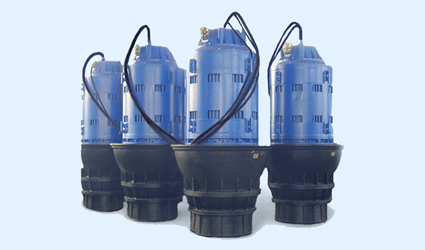
PRODUCTS
We adhere to independent innovation in science and technology and possess core technologies in the research and development, production and manufacturing of submersible pump products.
-

PROJECTS
Lanshen people are working hand in hand with friends from all walks of life to fulfill the corporate purpose of "creating a green environment and being responsible for the future", becoming the investment subject and partner of many projects, and constantly rewriting the history of China's water industry.
-

NEWS
Follow our updates in real time, from the known to the unknown, the exploration never stops
-
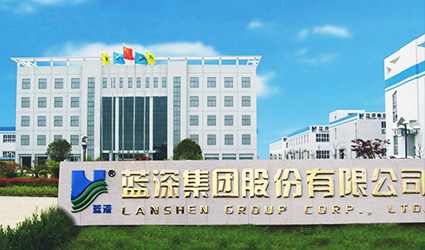
ABOUT
Founded in 1958, it is a national environmental protection enterprise and a high-tech enterprise. As a manufacturer of submersible sewage pumps and agitators

27
2025
-
02
Maximize Efficiency with the Right Submersible Grinder Impeller Pump
Maximize Efficiency with the Right Submersible Grinder Impeller Pump
Understanding Submersible Grinder Impeller Pumps
Submersible grinder impeller pumps are essential components in various industrial applications, particularly in waste management and sewage treatment. These pumps are designed to handle the movement of fluids containing solids, offering a reliable solution for efficient waste disposal. By effectively grinding and pumping waste materials, they prevent clogs and ensure smooth operation.
The Importance of Choosing the Right Pump
Selecting the correct submersible grinder impeller pump is crucial for maximizing efficiency. The right pump not only enhances performance but also reduces maintenance costs and prolongs the lifespan of the equipment. Understanding the unique requirements of your application helps in making an informed choice.
Key Factors to Consider When Choosing a Submersible Grinder Pump
1. **Flow Rate**: Determine the necessary flow rate for your application. Pumps are rated by their capacity to move a specific volume of fluid over time, typically measured in gallons per minute (GPM) or liters per second (L/s).
2. **Head Pressure**: Assess the total dynamic head (TDH) your system requires. This includes the vertical distance the pump must lift the fluid and any additional pressure losses due to friction in the pipes.
3. **Solids Handling**: Evaluate the size and type of solids the pump needs to handle. Submersible grinder pumps are designed to grind solids to a manageable size, preventing blockages in the system.
4. **Material Compatibility**: Choose a pump constructed from materials suitable for your specific application. Consider the corrosiveness of the fluids and the temperature range to ensure durability.
5. **Power Requirements**: Understand the electrical specifications for the pump. Ensure that your facility can accommodate the power needs of the selected model.
Common Applications of Submersible Grinder Impeller Pumps
Submersible grinder pumps are widely used in various sectors, including:
- **Wastewater Treatment**: They are essential in sewage treatment facilities, effectively managing waste and preventing clogs in pipes.
- **Stormwater Management**: These pumps help in controlling and managing stormwater runoff, preventing flooding.
- **Industrial Processes**: In manufacturing and processing plants, these pumps manage waste generated during production.
Installation Guidelines for Optimal Performance
Proper installation of a submersible grinder impeller pump is crucial for ensuring its efficiency and longevity. Follow these guidelines to achieve optimal performance:
Site Preparation
- **Select an Appropriate Location**: Choose a site that allows for easy access and maintenance. Ensure the area is safe and free from obstructions.
- **Prepare the Pump Basin**: The basin should be designed to accommodate the pump's size and allow for adequate fluid flow. Ensure the bottom is level to prevent tilting.
Piping Connections
- **Use Proper Pipe Sizes**: Ensure that the inlet and discharge piping are appropriately sized to minimize friction losses.
- **Install Check Valves**: Incorporate check valves to prevent backflow and ensure efficient operation.
Electrical Connections
- **Follow Electrical Codes**: Ensure all electrical connections comply with local codes for safety and reliability.
- **Install a Control Panel**: A control panel can enhance the pump's functionality by providing features such as automatic start/stop and monitoring capabilities.
Maintenance Practices for Longevity
Regular maintenance is essential for maximizing the lifespan and efficiency of submersible grinder impeller pumps. Implement the following practices:
Routine Inspections
- **Check for Wear and Tear**: Regularly inspect the pump for signs of wear, including the impeller and seals. Replace components as needed.
- **Monitor Performance Metrics**: Keep an eye on flow rates and energy consumption. Significant changes may indicate a problem requiring attention.
Cleaning Procedures
- **Clean the Pump**: Remove any debris or build-up from the pump and surrounding area to ensure optimal performance.
- **Flush the System**: Periodically flush the system to remove accumulated solids and prevent clogs.
Lubrication and Sealing
- **Lubricate Moving Parts**: Ensure that all moving parts are adequately lubricated according to the manufacturer's specifications.
- **Inspect Seals and Gaskets**: Regularly check seals for leaks and replace them as necessary to maintain efficiency.
Performance Optimization Strategies
To further maximize the efficiency of your submersible grinder impeller pump, consider implementing the following strategies:
Utilizing Variable Frequency Drives (VFDs)
VFDs can help control the pump's speed based on real-time demand, resulting in energy savings and reduced wear on components. By adjusting the pump's operation to match the system's needs, VFDs improve overall efficiency.
System Integration for Enhanced Control
Integrating the pump into a broader automated system allows for better monitoring and control. Using sensors and control systems, operators can optimize pump performance and respond quickly to changing conditions.
Training and Best Practices for Operators
Investing in training for personnel operating the pumps ensures they understand the best practices for usage, maintenance, and troubleshooting. Well-trained staff can identify issues early, preventing costly downtime.
FAQs About Submersible Grinder Impeller Pumps
What is a submersible grinder impeller pump?
A submersible grinder impeller pump is a type of pump designed to grind and transport waste fluids containing solids, making it ideal for wastewater management and other industrial applications.
How do I determine the right size for my submersible grinder pump?
The right size can be determined by assessing your flow rate, head pressure requirements, and the size of solids you need to handle.
What materials are commonly used in submersible grinder pumps?
Common materials include stainless steel, cast iron, and thermoplastics, which are selected based on their compatibility with the fluids being pumped.
How often should I maintain my submersible grinder pump?
Routine inspections should be conducted at least quarterly, while maintenance practices such as cleaning and lubrication should be performed as recommended by the manufacturer.
Can submersible grinder pumps be used in industrial applications?
Yes, these pumps are widely used in various industries, including manufacturing, processing, and wastewater treatment, due to their ability to handle solids and prevent clogs.
Conclusion
Maximizing efficiency with the right submersible grinder impeller pump is essential for any industrial operation dealing with waste management. By understanding the key factors involved in pump selection, installation, maintenance, and optimization, organizations can significantly enhance performance and reduce operational costs. With proper care and attention, these pumps can provide reliable service for years, ensuring smooth and effective waste disposal processes. Investing in the right equipment and practices today will pave the way for a more efficient tomorrow.
More information

Email: info@lanshengroup.com
Email:trade@lanshengroup.com
Tel:86-025-57507802/86-13814194132
Address: NO.305,East Xiongzhou Rd,Liuhe,Nanjing City,Jiangsu Province


Copyright©2024 Nanjing lanshen Pump Corp.LTD All rights reserved.