
-
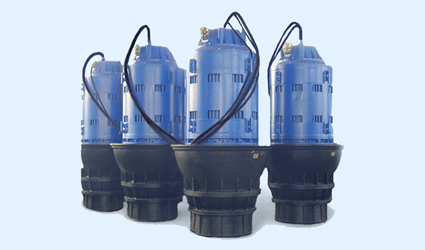
PRODUCTS
We adhere to independent innovation in science and technology and possess core technologies in the research and development, production and manufacturing of submersible pump products.
-

PROJECTS
Lanshen people are working hand in hand with friends from all walks of life to fulfill the corporate purpose of "creating a green environment and being responsible for the future", becoming the investment subject and partner of many projects, and constantly rewriting the history of China's water industry.
-

NEWS
Follow our updates in real time, from the known to the unknown, the exploration never stops
-
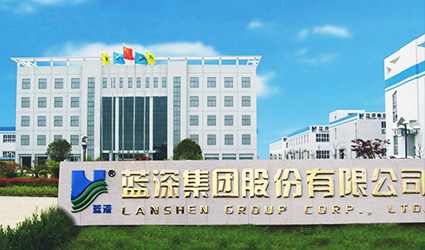
ABOUT
Founded in 1958, it is a national environmental protection enterprise and a high-tech enterprise. As a manufacturer of submersible sewage pumps and agitators

01
2025
-
03
Unlocking Efficiency: The Crucial Role of Submersible Axial Flow Pumps in Industrial Applications
Unlocking Efficiency: The Crucial Role of Submersible Axial Flow Pumps in Industrial Applications
Table of Contents
- Introduction to Submersible Axial Flow Pumps
- Understanding Submersible Axial Flow Pumps
- Key Applications of Submersible Axial Flow Pumps in Industries
- Advantages of Submersible Axial Flow Pumps
- Selection Criteria for Submersible Axial Flow Pumps
- Maintenance and Care for Optimal Performance
- Case Studies: Success Stories
- Future Trends in Submersible Axial Flow Pump Technology
- Conclusion
- FAQs
Introduction to Submersible Axial Flow Pumps
Submersible axial flow pumps have emerged as a vital component in various industrial applications, particularly in areas requiring efficient fluid movement. These pumps are designed to operate underwater, leveraging their unique construction to facilitate optimal flow rates and minimal energy consumption. Their widespread use spans multiple sectors, including agriculture, mining, wastewater management, and more.
In this article, we will explore the functionalities, applications, advantages, and maintenance of submersible axial flow pumps, shedding light on how they can significantly enhance operational efficiency in industrial settings.
Understanding Submersible Axial Flow Pumps
Submersible axial flow pumps operate by utilizing an impeller that moves fluid in a parallel direction to the pump shaft. This design allows for a high flow rate at relatively low heads. These pumps are typically submerged in the fluid they are pumping, eliminating the need for a suction lift and significantly reducing the risk of cavitation.
###
Design Features of Submersible Axial Flow Pumps
The design of submersible axial flow pumps includes several key features:
- **Impeller Type**: The impeller is designed to efficiently move large volumes of fluid while maintaining low energy consumption.
- **Motor Configuration**: Most submersible axial flow pumps feature a motor that is located within the pump housing, allowing for compact installation.
- **Sealing Mechanisms**: Advanced sealing technologies prevent leakage and protect the motor from fluid exposure.
###
Working Principle
The working principle of submersible axial flow pumps involves converting mechanical energy from the motor into hydraulic energy, which is then transferred to the fluid. The impeller spins, imparting kinetic energy to the fluid, which is then directed out of the pump through the discharge outlet.
Key Applications of Submersible Axial Flow Pumps in Industries
Submersible axial flow pumps are utilized across various industries due to their versatility and efficiency. Some of the primary applications include:
###
Agricultural Irrigation
In agriculture, these pumps are essential for irrigation systems. They effectively move water from sources such as rivers or wells to fields, ensuring optimal crop growth and yield.
###
Mining Operations
Mining industries rely on submersible axial flow pumps for dewatering applications. These pumps efficiently remove excess water from mining sites, allowing for safer and more efficient operations.
###
Wastewater Management
In wastewater treatment plants, submersible axial flow pumps help transport sewage and wastewater through various stages of treatment, facilitating efficient processing and reducing the risk of overflow.
###
Industrial Cooling Systems
These pumps are crucial in cooling applications, where they circulate water in cooling towers or industrial processes to maintain optimal temperatures.
###
Marine and Coastal Applications
In marine environments, submersible axial flow pumps are used for various purposes, including water circulation and environmental monitoring.
Advantages of Submersible Axial Flow Pumps
Submersible axial flow pumps offer numerous advantages that enhance their appeal in industrial applications:
###
High Efficiency
These pumps can achieve high flow rates while maintaining low energy consumption, making them a cost-effective choice for fluid movement.
###
Space-Saving Design
The compact design of submersible axial flow pumps allows for easy installation in confined spaces, particularly in applications where traditional pumps would be impractical.
###
Reduced Noise Levels
Since they operate underwater, submersible axial flow pumps generate less noise compared to surface-mounted pumps, contributing to a quieter work environment.
###
Minimal Risk of Cavitation
The submerged design significantly reduces the risk of cavitation, which can cause damage to the pump and decrease efficiency.
###
Durability and Reliability
Constructed with robust materials, submersible axial flow pumps can withstand harsh environmental conditions, ensuring long-term reliability.
Selection Criteria for Submersible Axial Flow Pumps
Choosing the right submersible axial flow pump for your industrial application is critical for optimal performance. Here are essential selection criteria to consider:
###
Flow Rate Requirements
Determine the required flow rate for your application. Submersible axial flow pumps are available in various capacities, so it's essential to match the pump to your needs.
###
Fluid Characteristics
Consider the type of fluid being pumped, including its viscosity, temperature, and chemical composition, as these factors can affect pump performance and material selection.
###
Installation Environment
Evaluate the installation environment, including depth, temperature variations, and space constraints, to ensure compatibility with the chosen pump model.
###
Power Supply Options
Assess the available power supply options. Submersible axial flow pumps can be powered by electricity or diesel, depending on the application and location.
###
Manufacturer Reputation
Research different manufacturers and their reputations. Selecting a pump from a reputable manufacturer can ensure quality and reliability.
Maintenance and Care for Optimal Performance
Regular maintenance of submersible axial flow pumps is essential to ensure their longevity and efficiency. Here are some best practices:
###
Routine Inspections
Conduct regular inspections to identify any signs of wear or damage. Check the impeller, seals, and motor for any abnormalities.
###
Cleaning and Debris Removal
Ensure that the pump is free of debris and sediment that could hinder performance. Cleaning the pump periodically can prevent clogs and improve efficiency.
###
Lubrication
Follow the manufacturer’s guidelines for lubrication to ensure the proper functioning of moving parts and reduce friction.
###
Monitoring Performance
Utilize monitoring tools to track the pump’s performance metrics. Keeping an eye on flow rates, pressure levels, and energy consumption can help identify potential issues before they escalate.
###
Professional Servicing
Consider scheduling professional servicing periodically to maintain optimal performance, especially in high-demand applications.
Case Studies: Success Stories
Examining real-world applications can provide valuable insights into the effectiveness of submersible axial flow pumps:
###
Case Study 1: Agricultural Efficiency
In a region facing water scarcity, a large agricultural enterprise implemented submersible axial flow pumps for irrigation from a nearby reservoir. The pumps significantly improved water accessibility, resulting in a 30% increase in crop yield while reducing water consumption by 20%.
###
Case Study 2: Mining Operations
A mining company struggled with excess groundwater in its pits. By utilizing submersible axial flow pumps, the company successfully dewatered the site, allowing for uninterrupted operations and increased productivity without environmental concerns.
###
Case Study 3: Wastewater Treatment
A municipal wastewater treatment facility upgraded its pumping system to submersible axial flow pumps. This transition led to more efficient processing of sewage, reduced energy costs by 25%, and improved the overall reliability of the system.
Future Trends in Submersible Axial Flow Pump Technology
As technology continues to evolve, several trends are emerging in the submersible axial flow pump industry:
###
Smart Pump Technology
The integration of IoT devices for real-time monitoring and data analysis will enhance operational efficiency and predictive maintenance capabilities.
###
Energy Efficiency Innovations
Future designs are likely to focus on further reducing energy consumption while maintaining high flow rates, driven by increasing regulations on energy efficiency.
###
Advanced Materials
The use of advanced materials will improve durability and resistance to corrosive fluids, extending the lifespan of pumps in challenging environments.
###
Modular Designs
Modular design approaches will allow for easier upgrades and maintenance, making submersible axial flow pumps more adaptable to changing industrial needs.
Conclusion
Submersible axial flow pumps play a crucial role in enhancing efficiency across various industrial applications. Their unique design, combined with numerous advantages such as high efficiency, durability, and compactness, makes them a preferred choice for fluid movement in sectors ranging from agriculture to wastewater management. By understanding the selection criteria and maintenance practices, industries can maximize the benefits of these pumps, ultimately contributing to improved operational performance and cost savings.
FAQs
###
1. What is a submersible axial flow pump, and how does it work?
A submersible axial flow pump is a type of pump that operates underwater, using an impeller to move fluid in a direction parallel to the pump shaft. It converts mechanical energy into hydraulic energy, allowing for efficient fluid movement.
###
2. What are the main applications of submersible axial flow pumps?
These pumps are commonly used in agriculture, mining, wastewater management, industrial cooling systems, and marine applications.
###
3. How do I select the right submersible axial flow pump for my needs?
Consider factors such as flow rate requirements, fluid characteristics, installation environment, power supply options, and the manufacturer's reputation.
###
4. What maintenance practices should I follow for submersible axial flow pumps?
Key maintenance practices include routine inspections, cleaning, lubrication, performance monitoring, and scheduling professional servicing.
###
5. What trends can we expect in the future of submersible axial flow pump technology?
Future trends include smart pump technology, energy efficiency innovations, advanced materials, and modular designs for easier maintenance and upgrades.
More information

Email: info@lanshengroup.com
Email:trade@lanshengroup.com
Tel:86-025-57507802/86-13814194132
Address: NO.305,East Xiongzhou Rd,Liuhe,Nanjing City,Jiangsu Province


Copyright©2024 Nanjing lanshen Pump Corp.LTD All rights reserved.