
-
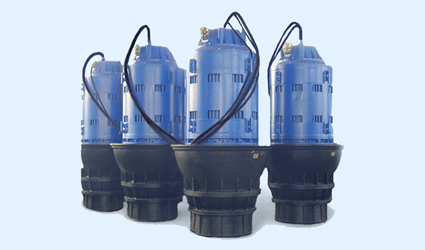
PRODUCTS
We adhere to independent innovation in science and technology and possess core technologies in the research and development, production and manufacturing of submersible pump products.
-

PROJECTS
Lanshen people are working hand in hand with friends from all walks of life to fulfill the corporate purpose of "creating a green environment and being responsible for the future", becoming the investment subject and partner of many projects, and constantly rewriting the history of China's water industry.
-

NEWS
Follow our updates in real time, from the known to the unknown, the exploration never stops
-
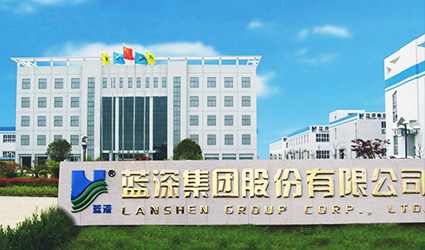
ABOUT
Founded in 1958, it is a national environmental protection enterprise and a high-tech enterprise. As a manufacturer of submersible sewage pumps and agitators

03
2025
-
03
Revolutionizing Wastewater Treatment with Submersible Mixers: The Future of Efficient Processing
Revolutionizing Wastewater Treatment with Submersible Mixers
Table of Contents
- Introduction to Submersible Mixers and Wastewater Treatment
- Why Choose Submersible Mixers for Wastewater Treatment?
- How Submersible Mixers Work: Mechanism of Action
- Key Benefits of Submersible Mixers in Wastewater Treatment
- Cost Efficiency and Energy Savings
- Enhanced Performance and Mixing Quality
- Reducing Odors and Improving Water Quality
- Applications of Submersible Mixers in Wastewater Treatment
- Features to Consider When Choosing Submersible Mixers
- The Future of Wastewater Treatment with Submersible Mixers
- Frequently Asked Questions
- Conclusion
Introduction to Submersible Mixers and Wastewater Treatment
Wastewater treatment is an essential process that ensures the safe disposal and reuse of water. In this realm, **submersible mixers** have emerged as a pivotal technology, optimizing mixing processes and improving treatment efficacy. By blending and homogenizing wastewater, these mixers facilitate the removal of contaminants, promoting cleaner effluents and supporting environmental sustainability.
Why Choose Submersible Mixers for Wastewater Treatment?
Submersible mixers are increasingly favored in wastewater treatment due to their innovative design and performance advantages. Unlike traditional surface mixers, submersible mixers are submerged directly into the fluid, allowing for more effective and efficient mixing. This section discusses the key reasons for their adoption in wastewater management.
1. Direct Mixing Action
Submersible mixers are designed to operate submerged in the wastewater. This direct mixing action reduces energy loss and ensures uniform distribution of chemicals and nutrients throughout the treatment process.
2. Space Efficiency
Many wastewater treatment facilities face space constraints. Submersible mixers require less surface area, as they can be installed in tanks and basins without the need for large, bulky equipment above ground.
3. Versatility in Design
Available in various sizes and power ratings, submersible mixers can be tailored to fit the specific needs of any wastewater treatment facility, making them an adaptable solution for diverse applications.
How Submersible Mixers Work: Mechanism of Action
Understanding how submersible mixers function is vital to appreciating their role in wastewater treatment. These devices utilize **propellers or turbine blades** to create a flow pattern that mixes wastewater effectively.
1. Propeller Design
The propeller design plays a critical role in determining the mixing efficiency. High-performance mixers often feature adjustable blades to optimize flow conditions based on varying wastewater characteristics.
2. Motor and Drive Systems
Submersible mixers are powered by efficient electric motors, which often include variable speed drives. This feature allows operators to adjust the mixing intensity based on the treatment phase.
3. Hydraulic Performance
The hydraulic performance of submersible mixers is crucial. Factors such as flow rate, speed, and mounting depth affect their overall effectiveness in promoting mixing and maintaining suspended solids in suspension.
Key Benefits of Submersible Mixers in Wastewater Treatment
Submersible mixers offer numerous benefits that enhance the efficiency of wastewater treatment processes.
Cost Efficiency and Energy Savings
By operating efficiently and minimizing energy consumption, submersible mixers can significantly reduce operational costs. Their design allows for lower capital investment, as fewer mixers may be needed to achieve the desired results.
Enhanced Performance and Mixing Quality
Proper mixing is essential for effective wastewater treatment. Submersible mixers deliver superior mixing quality, ensuring that chemicals and biological agents are evenly distributed, leading to improved treatment outcomes.
Reducing Odors and Improving Water Quality
Submersible mixers promote aeration and biological activity, which can help mitigate odors associated with wastewater. By maintaining suspended solids in the water column, they also contribute to better water quality.
Applications of Submersible Mixers in Wastewater Treatment
Submersible mixers are utilized in various sectors of wastewater treatment, each with unique requirements and challenges.
Municipal Wastewater Treatment Facilities
In municipal facilities, submersible mixers are essential for the initial stages of wastewater treatment. They ensure effective mixing in aeration tanks, helping to optimize the biological treatment process.
Industrial Wastewater Treatment Plants
Industrial applications often present complex challenges due to varying waste compositions. Submersible mixers are equipped to handle heavy sludges and chemical contaminants, ensuring compliance with regulatory standards.
Features to Consider When Choosing Submersible Mixers
Selecting the right submersible mixer involves evaluating several key features:
1. Power and Performance Ratings
Assess the power output and hydraulic performance to ensure the mixer meets your facility's specific needs.
2. Material and Corrosion Resistance
Choose mixers constructed from materials designed to withstand corrosive environments, ensuring longevity and reliability.
3. Maintenance and Serviceability
Consider mixers that are easy to maintain and service, minimizing downtime and maintenance costs.
The Future of Wastewater Treatment with Submersible Mixers
As environmental concerns grow, the demand for efficient wastewater treatment solutions will only increase. Submersible mixers are at the forefront of this evolution, with ongoing advancements in technology aimed at improving performance, energy efficiency, and sustainability.
Innovations such as smart monitoring systems, real-time data analytics, and automated controls are set to enhance the capabilities of submersible mixers, making them indispensable tools in the future of wastewater treatment.
Frequently Asked Questions
1. What is a submersible mixer?
A submersible mixer is a device designed to mix fluids while submerged in the liquid, commonly used in wastewater treatment to ensure effective mixing and homogenization.
2. How do submersible mixers improve wastewater treatment?
They enhance mixing efficiency, maintain suspended solids in the water column, improve chemical distribution, and reduce odors, leading to better treatment results.
3. Can submersible mixers be used in industrial applications?
Yes, submersible mixers are versatile and can be tailored for various industrial wastewater treatment needs, handling heavy sludge and chemical contaminants effectively.
4. What factors should I consider when purchasing a submersible mixer?
Key factors include power ratings, material durability, maintenance requirements, and the specific mixing needs of your wastewater treatment facility.
5. How do submersible mixers contribute to sustainability?
By enhancing energy efficiency and optimizing treatment processes, submersible mixers help reduce operational costs and environmental impacts, supporting sustainable wastewater management.
Conclusion
Submersible mixers are revolutionizing the wastewater treatment industry, providing essential benefits that enhance operational efficiency and improve environmental outcomes. Their ability to deliver superior mixing in a space-efficient package makes them a valuable asset for both municipal and industrial wastewater treatment facilities. As we move toward a more sustainable future, the adoption of innovative technologies like submersible mixers will play a critical role in achieving cleaner water and healthier ecosystems. Embracing these advancements is not just a choice; it’s a responsibility toward a better environment for future generations.
More information

Email: info@lanshengroup.com
Email:trade@lanshengroup.com
Tel:86-025-57507802/86-13814194132
Address: NO.305,East Xiongzhou Rd,Liuhe,Nanjing City,Jiangsu Province


Copyright©2024 Nanjing lanshen Pump Corp.LTD All rights reserved.