
-
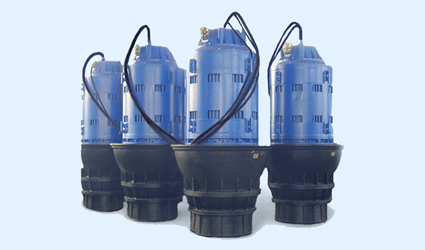
PRODUCTS
We adhere to independent innovation in science and technology and possess core technologies in the research and development, production and manufacturing of submersible pump products.
-

PROJECTS
Lanshen people are working hand in hand with friends from all walks of life to fulfill the corporate purpose of "creating a green environment and being responsible for the future", becoming the investment subject and partner of many projects, and constantly rewriting the history of China's water industry.
-

NEWS
Follow our updates in real time, from the known to the unknown, the exploration never stops
-
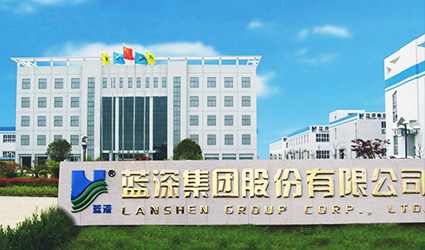
ABOUT
Founded in 1958, it is a national environmental protection enterprise and a high-tech enterprise. As a manufacturer of submersible sewage pumps and agitators

08
2025
-
03
Understanding Submersible Mixers in Wastewater Treatment: A Comprehensive Guide
A submersible mixer functions by utilizing propellers or other mixing devices to create turbulence within the liquid. This turbulence is essential for promoting uniform distribution of chemicals, preventing sedimentation, and aiding in the homogenization of wastewater. By enhancing the mixing process, these devices significantly improve the biological and chemical reactions that occur during treatment, leading to higher quality effluent.
One of the key benefits of submersible mixers is their ability to operate efficiently while submerged, minimizing the need for complex infrastructure. Because these mixers are designed to be waterproof and corrosion-resistant, they can handle the challenging environments often found in wastewater treatment facilities. This durability ensures a longer operational life and reduces maintenance requirements, making them a reliable choice for treatment plants.
Additionally, submersible mixers can be adjusted for various depths and flow rates, providing flexibility to meet the specific needs of different treatment processes. Whether it's for aeration basins, sludge mixing, or equalization tanks, these mixers can be tailored to optimize the performance of the system. Their versatility extends to various applications, from municipal wastewater treatment plants to industrial effluent processing.
Moreover, the energy efficiency of submersible mixers is another notable advantage. Many modern designs focus on reducing energy consumption while maintaining high mixing performance. By using advanced motor technology and optimizing the design of the mixing blades, these devices can effectively reduce operational costs while boosting productivity.
In conclusion, submersible mixers play an indispensable role in the efficiency and effectiveness of wastewater treatment processes. By facilitating thorough mixing and ensuring uniform distribution of materials, these devices enhance both biological and chemical treatment methods. Understanding the functionalities, benefits, and applications of submersible mixers can equip industry professionals with the knowledge necessary to improve their wastewater management systems. Investing in quality mixing technology is vital for maintaining compliance with environmental standards and achieving superior treatment outcomes.
More information

Email: info@lanshengroup.com
Email:trade@lanshengroup.com
Tel:86-025-57507802/86-13814194132
Address: NO.305,East Xiongzhou Rd,Liuhe,Nanjing City,Jiangsu Province


Copyright©2024 Nanjing lanshen Pump Corp.LTD All rights reserved.