
-
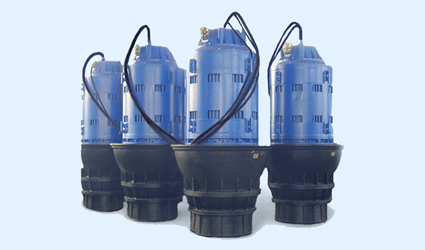
PRODUCTS
We adhere to independent innovation in science and technology and possess core technologies in the research and development, production and manufacturing of submersible pump products.
-

PROJECTS
Lanshen people are working hand in hand with friends from all walks of life to fulfill the corporate purpose of "creating a green environment and being responsible for the future", becoming the investment subject and partner of many projects, and constantly rewriting the history of China's water industry.
-

NEWS
Follow our updates in real time, from the known to the unknown, the exploration never stops
-
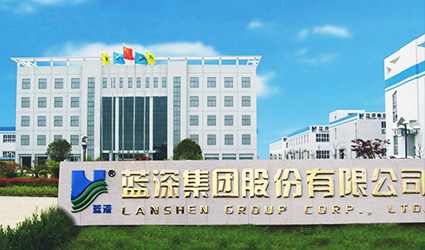
ABOUT
Founded in 1958, it is a national environmental protection enterprise and a high-tech enterprise. As a manufacturer of submersible sewage pumps and agitators

09
2025
-
03
Why Choose a Submersible Grinder Impeller Pump for Wastewater Management?
Why Choose a Submersible Grinder Impeller Pump for Wastewater Management?
Introduction to Submersible Grinder Impeller Pumps
The world of wastewater management has evolved significantly over the years, leading to the development of efficient solutions tailored to meet challenging demands. Among these innovations, **submersible grinder impeller pumps** have emerged as a game-changer. Unlike traditional pumps, these specialized devices offer a host of benefits that make them particularly suited for handling wastewater.
In this comprehensive guide, we will delve into the reasons why submersible grinder impeller pumps should be your go-to choice for wastewater management. We will explore their functionality, advantages, and applications, ensuring that you understand their vital role in maintaining efficient and effective waste management systems.
Understanding the Functionality of Submersible Grinder Impeller Pumps
What Are Submersible Grinder Impeller Pumps?
Submersible grinder impeller pumps are advanced devices designed to operate underwater, making them ideal for various applications in wastewater systems. Equipped with a robust grinder mechanism, these pumps can break down solid waste materials into smaller particles, facilitating easier transportation through pipes.
How Do Submersible Grinder Impeller Pumps Work?
The operational principle of a submersible grinder impeller pump is relatively straightforward. When submerged in wastewater, the pump’s motor drives the impeller, which generates centrifugal force. This force pulls the wastewater into the pump, where the grinder mechanism pulverizes any solids present. Once the waste is sufficiently reduced, the pump expels it through the discharge line, ensuring a smooth flow even in challenging environments.
The Advantages of Using Submersible Grinder Impeller Pumps
1. Efficient Waste Breakdown
One of the primary advantages of submersible grinder impeller pumps is their **ability to efficiently break down waste materials**. This not only reduces the risk of clogs in the plumbing system but also enhances the overall flow of wastewater. By minimizing the size of solids, these pumps allow for smooth transportation through pipes, reducing the likelihood of blockages.
2. Space-Saving Design
Submersible pumps are designed to operate underwater, which means they do not require large above-ground installations. This space-saving characteristic is particularly beneficial in urban environments or locations with limited space. Their compact design allows for installation in tight areas, making them a versatile choice for various settings.
3. Reduced Maintenance Requirements
Due to their robust construction and efficient grinding capabilities, submersible grinder impeller pumps require less frequent maintenance compared to traditional pumps. The reduction in blockages and wear on components translates into lower overall maintenance costs and less downtime. This reliability ensures that wastewater management systems operate smoothly and efficiently.
4. Versatile Applications
Submersible grinder impeller pumps are not limited to wastewater management; they are also suitable for a variety of applications, including:
- **Residential sewage systems**: Ideal for homes with basements or low-lying areas.
- **Commercial applications**: Used in restaurants, hotels, and other facilities where wastewater is generated.
- **Municipal wastewater treatment plants**: Essential components in large-scale waste management systems.
5. Energy Efficiency
Modern submersible grinder impeller pumps are engineered to be energy-efficient. By utilizing advanced technology and materials, these pumps operate with lower power consumption while delivering high performance. This energy efficiency not only reduces operational costs but also contributes to a greener environment.
When to Choose Submersible Grinder Impeller Pumps
Choosing the right pump for your wastewater management needs is crucial. Here are some scenarios where submersible grinder impeller pumps shine:
1. In Areas with Heavy Solids
If your wastewater contains a significant amount of solid waste, such as food particles, paper, or other debris, a submersible grinder impeller pump is an ideal choice. Its grinding mechanism will ensure that solids are adequately reduced before being transported away.
2. In Space-Constrained Locations
For facilities where space is limited, submersible pumps present an excellent solution. Their design allows for installation in smaller pits or tanks, enabling effective waste management without requiring extensive infrastructure.
3. For High-Flow Applications
In scenarios where there is a high volume of wastewater influx, submersible grinder impeller pumps can handle the demands effectively. Their robust construction and grinding capabilities ensure consistent performance even under high-flow conditions.
Key Features to Look for in Submersible Grinder Impeller Pumps
When selecting a submersible grinder impeller pump for wastewater management, consider the following features to ensure optimal performance:
1. Motor Power
The motor power of the pump is crucial in determining its efficiency and ability to handle solids. Look for pumps with powerful motors capable of delivering high torque to effectively grind and transport waste materials.
2. Grinding Mechanism
The quality of the grinding mechanism is fundamental to the pump's performance. Ensure that the pump is equipped with durable, corrosion-resistant blades designed to withstand the rigors of wastewater pumping.
3. Discharge Size
The discharge size of the pump should align with your existing plumbing infrastructure. Ensure that the pump's outlet matches your pipe size to facilitate seamless integration into your wastewater system.
4. Material Construction
Choose pumps made from high-quality, corrosion-resistant materials to ensure longevity and durability. Stainless steel or cast iron constructions are often ideal for withstanding harsh wastewater conditions.
5. Float Switches
Automatic float switches are essential for controlling the pump's operation. These switches activate the pump when water levels rise and deactivate it when levels drop, preventing overflow and ensuring efficient operation.
Installation and Maintenance of Submersible Grinder Impeller Pumps
Proper installation and maintenance are critical for the longevity and efficiency of submersible grinder impeller pumps.
Installation Steps
1. **Site Preparation**: Ensure that the installation site is clean and free of debris.
2. **Pump Placement**: Position the pump within a dedicated sump or pit, ensuring it is stable and secure.
3. **Electrical Connections**: Follow the manufacturer's guidelines for electrical connections, ensuring safe and compliant installations.
4. **Testing**: Conduct a thorough test to confirm that the pump functions correctly and efficiently before finalizing the installation.
Maintenance Tips
1. **Regular Inspections**: Schedule inspections to check for wear on the grinding mechanism and overall pump condition.
2. **Clean the Impeller**: Regularly clean the impeller to prevent build-up of debris that could affect performance.
3. **Monitor Performance**: Keep an eye on the pump's operation, noting any unusual noises or changes in performance, and address issues promptly.
4. **Check Electrical Components**: Periodically inspect electrical connections and controls to ensure they remain in good working condition.
Frequently Asked Questions (FAQs)
1. What is the primary purpose of a submersible grinder impeller pump?
The primary purpose of a submersible grinder impeller pump is to effectively manage wastewater by grinding solid materials into smaller particles, facilitating smoother transport through plumbing systems.
2. How does a submersible grinder impeller pump differ from other pumps?
Unlike traditional pumps, submersible grinder impeller pumps are designed to operate underwater and include a grinder mechanism that reduces solid waste, making them ideal for wastewater applications.
3. Can submersible grinder impeller pumps handle wastewater with large solids?
Yes, submersible grinder impeller pumps are specifically designed to handle wastewater with large solids by grinding them into smaller particles that can be easily transported.
4. What maintenance is required for submersible grinder impeller pumps?
Regular maintenance includes inspections, cleaning the impeller, monitoring performance, and checking electrical components to ensure the pump operates efficiently.
5. Are submersible grinder impeller pumps energy-efficient?
Yes, modern submersible grinder impeller pumps are engineered for energy efficiency, helping to reduce operational costs while providing high performance.
Conclusion
In the realm of wastewater management, submersible grinder impeller pumps stand out as a premier choice for their efficiency, versatility, and robust performance. By effectively breaking down solids, these pumps enhance the reliability of wastewater systems while minimizing maintenance needs. Whether for residential, commercial, or municipal applications, investing in a submersible grinder impeller pump can lead to improved waste management solutions.
Understanding the advantages and features of these pumps can empower you to make informed decisions that enhance operational efficiency, reduce costs, and contribute to effective wastewater management. Embrace the future of wastewater handling by choosing submersible grinder impeller pumps as part of your waste management strategy.
More information

Email: info@lanshengroup.com
Email:trade@lanshengroup.com
Tel:86-025-57507802/86-13814194132
Address: NO.305,East Xiongzhou Rd,Liuhe,Nanjing City,Jiangsu Province


Copyright©2024 Nanjing lanshen Pump Corp.LTD All rights reserved.