
-
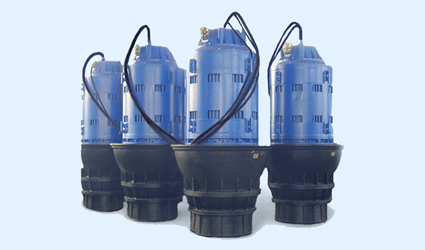
PRODUCTS
We adhere to independent innovation in science and technology and possess core technologies in the research and development, production and manufacturing of submersible pump products.
-

PROJECTS
Lanshen people are working hand in hand with friends from all walks of life to fulfill the corporate purpose of "creating a green environment and being responsible for the future", becoming the investment subject and partner of many projects, and constantly rewriting the history of China's water industry.
-

NEWS
Follow our updates in real time, from the known to the unknown, the exploration never stops
-
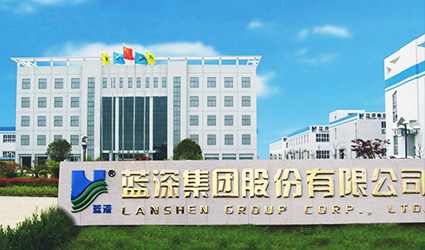
ABOUT
Founded in 1958, it is a national environmental protection enterprise and a high-tech enterprise. As a manufacturer of submersible sewage pumps and agitators

11
2025
-
03
Why Choose Submersible Axial Flow Pumps for Your Next Project?
Why Choose Submersible Axial Flow Pumps for Your Next Project?
In the ever-evolving landscape of industrial equipment, submersible axial flow pumps have emerged as a vital solution for various applications, from wastewater management to irrigation systems. These pumps are specifically designed to operate submerged in liquids, providing efficient fluid movement with minimal energy consumption. In this article, we delve into the numerous advantages of submersible axial flow pumps and why they should be considered for your next project.
Table of Contents
- What Are Submersible Axial Flow Pumps?
- How Do Submersible Axial Flow Pumps Work?
- Benefits of Submersible Axial Flow Pumps
- Applications of Submersible Axial Flow Pumps
- Choosing the Right Submersible Axial Flow Pump for Your Needs
- Maintenance and Care for Submersible Axial Flow Pumps
- Frequently Asked Questions
- Conclusion
What Are Submersible Axial Flow Pumps?
Submersible axial flow pumps are specialized pumping devices designed to operate while fully submerged in the fluid being pumped. Unlike traditional centrifugal pumps, which rely on a rotating impeller to create pressure, axial flow pumps use a propeller or axial impeller to move fluid along the axis of the pump. This mechanism allows for significant flow rates and the ability to handle large volumes of water or other liquids efficiently.
Key Components of Submersible Axial Flow Pumps
Understanding the key components of submersible axial flow pumps is crucial for appreciating their functionality. The main parts include:
- Impeller: The propeller-like structure that drives fluid through the pump.
- Motor: Positioned above the impeller, the motor is responsible for rotating the impeller, typically using a sealed casing to prevent liquid ingress.
- Volute: The chamber that collects the pumped fluid and directs it to the discharge pipe.
- Seals: Essential for preventing leakage and ensuring the pump remains operational under submerged conditions.
How Do Submersible Axial Flow Pumps Work?
The operation of submersible axial flow pumps is relatively straightforward. When the motor activates, it spins the impeller, which draws fluid into the pump. The axial flow design means the fluid is directed in a straight line, resulting in high flow rates. This mechanism allows submersible axial flow pumps to handle significant volumes of liquid with lower energy input compared to centrifugal pumps.
The Importance of Cavitation Prevention
One of the critical aspects of pump operation is avoiding cavitation, which occurs when the pressure in the pump drops below the vapor pressure of the liquid, leading to the formation of bubbles. Submersible axial flow pumps are designed to operate at specific depths and conditions to minimize the risk of cavitation, ensuring efficient and reliable operation.
Benefits of Submersible Axial Flow Pumps
Energy Efficiency
One of the most significant advantages of submersible axial flow pumps is their energy efficiency. These pumps operate effectively at lower power levels than many other pump types, making them an eco-friendly choice for projects requiring substantial fluid movement. The combination of high flow rates and low energy consumption contributes to reduced operational costs over time.
Space-Saving Design
In industrial settings, space is often at a premium. Submersible axial flow pumps have a compact design, allowing them to be installed in tight spaces without the need for extensive infrastructure. Their ability to operate submerged eliminates the requirement for large, above-ground installations, making them ideal for urban environments or areas with limited access.
Reliability and Durability
Submersible axial flow pumps are built to withstand harsh conditions, including exposure to corrosive substances and varying temperatures. The robust construction and high-quality materials ensure long-term reliability, reducing the need for frequent replacements and maintenance. This durability is particularly beneficial for projects in challenging environments.
Environmental Considerations
As industries move towards more sustainable practices, the environmental impact of equipment becomes a critical factor. Submersible axial flow pumps are designed with eco-friendly features, such as low energy consumption and minimal noise emissions. Their efficiency in moving fluids also helps reduce the overall carbon footprint associated with industrial operations.
Applications of Submersible Axial Flow Pumps
Submersible axial flow pumps find applications in various sectors, including:
- Wastewater Treatment: Used for transporting sewage and effluent efficiently.
- Agricultural Irrigation: Ideal for moving water in irrigation systems to promote crop growth.
- Flood Control: Essential for managing floodwaters in urban areas and natural disasters.
- Industrial Processes: Used in numerous industrial applications for fluid transfer and circulation.
Choosing the Right Submersible Axial Flow Pump for Your Needs
Selecting the appropriate submersible axial flow pump for your project requires careful consideration of several factors:
- Flow Rate Requirements: Determine the required flow rate for your application to ensure the pump meets your needs.
- Fluid Characteristics: Assess the type of fluid being pumped, including viscosity, temperature, and corrosiveness.
- Installation Depth: Consider the depth at which the pump will operate to select a model suitable for that environment.
- Power Supply: Evaluate the available power sources and select a pump compatible with your infrastructure.
Maintenance and Care for Submersible Axial Flow Pumps
To ensure optimal performance and longevity, regular maintenance of submersible axial flow pumps is crucial. Key maintenance practices include:
- Regular Inspections: Frequently check for signs of wear, leaks, or blockages.
- Seal Checks: Ensure seals are intact to prevent liquid ingress into the motor.
- Cleaning: Clean the pump and surrounding area to avoid contamination and buildup of debris.
- Lubrication: Implement a lubrication schedule for moving parts to maintain efficiency.
Frequently Asked Questions
1. What is the lifespan of a submersible axial flow pump?
The lifespan varies depending on usage and maintenance, but with proper care, they can last several years.
2. Are submersible axial flow pumps suitable for drinking water applications?
Yes, but ensure the materials used are compliant with drinking water standards.
3. How do I know which pump size to choose?
Consider the flow rate and head requirements of your application to determine the appropriate size.
4. Can submersible axial flow pumps handle solids in the fluid?
While they can handle some solids, it's essential to choose pumps specifically designed for solids handling to prevent damage.
5. What maintenance is required for submersible axial flow pumps?
Regular inspections, cleaning, and lubrication are key to maintaining performance and prolonging lifespan.
Conclusion
Submersible axial flow pumps offer an array of benefits that make them an excellent choice for various industrial applications. Their energy efficiency, compact design, reliability, and environmentally friendly operation position them as a superior option for effectively managing fluid movement. By considering the specific needs of your project and selecting the right pump, you can enhance operational efficiency and sustainability. Embracing submersible axial flow pumps could be the pivotal decision that elevates your project to new heights of success.
More information

Email: info@lanshengroup.com
Email:trade@lanshengroup.com
Tel:86-025-57507802/86-13814194132
Address: NO.305,East Xiongzhou Rd,Liuhe,Nanjing City,Jiangsu Province


Copyright©2024 Nanjing lanshen Pump Corp.LTD All rights reserved.