
-
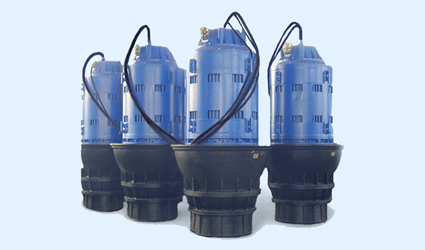
PRODUCTS
We adhere to independent innovation in science and technology and possess core technologies in the research and development, production and manufacturing of submersible pump products.
-

PROJECTS
Lanshen people are working hand in hand with friends from all walks of life to fulfill the corporate purpose of "creating a green environment and being responsible for the future", becoming the investment subject and partner of many projects, and constantly rewriting the history of China's water industry.
-

NEWS
Follow our updates in real time, from the known to the unknown, the exploration never stops
-
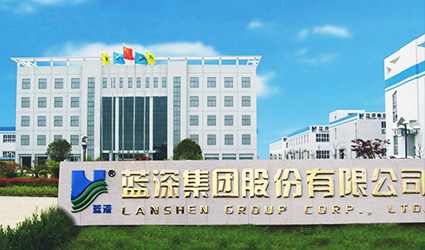
ABOUT
Founded in 1958, it is a national environmental protection enterprise and a high-tech enterprise. As a manufacturer of submersible sewage pumps and agitators

13
2025
-
03
The Essential Guide to Submersible Mixers in Wastewater Management: Optimizing Efficiency and Performance
The Essential Guide to Submersible Mixers in Wastewater Management
Introduction to Submersible Mixers
In the realm of wastewater management, submersible mixers play a pivotal role. They are designed to mix and homogenize wastewater in various treatment processes. These powerful devices ensure uniform distribution of solids, enhance biological processes, and prevent sedimentation. As industries and municipalities face increasing challenges in treating wastewater effectively, understanding the significance of submersible mixers becomes essential.
What are Submersible Mixers?
Submersible mixers are specialized equipment submerged in liquids, primarily utilized in wastewater treatment facilities. They consist of a motor and an impeller, which work together to create turbulence in the liquid. This turbulence aids in mixing the wastewater thoroughly, ensuring that solid and liquid particles remain suspended. Unlike traditional mixers, submersible mixers operate underwater, providing several advantages, including energy efficiency and reduced maintenance costs.
Key Features of Submersible Mixers
When selecting a submersible mixer, it’s crucial to consider various features that enhance their performance:
- Power and Efficiency: High-powered motors ensure rapid mixing, reducing processing time.
- Corrosion Resistance: Materials such as stainless steel and specific alloys are used to withstand harsh wastewater conditions.
- Variable Speed Control: Adjusting the speed allows for tailored mixing, catering to specific wastewater characteristics.
- Compact Design: The design enables easy installation in confined spaces.
- Low Noise Operation: Modern designs minimize operational noise, making them suitable for residential areas.
Types of Submersible Mixers
Submersible mixers are categorized based on their design and application. Understanding these types helps in selecting the right mixer for specific wastewater treatment needs.
1. Standard Submersible Mixers
These mixers are versatile and commonly used in various wastewater applications. They are ideal for applications requiring consistent mixing of sludge or sewage.
2. High-Shear Mixers
Designed for applications requiring intense mixing, high-shear mixers create high turbulence, breaking down solids more effectively. They are often used in advanced treatment processes.
3. Multi-Stage Mixers
These mixers feature multiple impellers, allowing for layered mixing processes. They are particularly effective in large tanks where uniform mixing is crucial.
4. Axial and Radial Flow Mixers
Depending on the flow pattern, mixers can be categorized into axial flow (moving liquid parallel to the impeller shaft) and radial flow (moving liquid perpendicular to the shaft). Each type serves different mixing needs.
Applications of Submersible Mixers in Wastewater Management
Submersible mixers find extensive use in various applications within wastewater management. Their adaptability makes them suitable for several processes, including:
1. Aeration Tanks
In aeration tanks, submersible mixers enhance aeration by ensuring optimal oxygen transfer. This mixing helps in the growth of aerobic microorganisms, crucial for breaking down organic matter.
2. Digesters
In anaerobic digesters, these mixers ensure the uniform distribution of substrates, enhancing biogas production. Proper mixing increases the contact between microorganisms and waste, promoting efficient digestion.
3. Equalization Basins
Equalization basins benefit from submersible mixers by maintaining a consistent flow and concentration of wastewater. This consistency is vital for downstream treatment processes.
4. Sludge Management
In sludge management, submersible mixers prevent the settling of solids, ensuring a homogenous mixture for effective dewatering and further processing.
5. Chemical Feed Systems
These mixers play a critical role in ensuring that chemicals are evenly distributed in the wastewater, enhancing the effectiveness of treatment chemicals.
Installation of Submersible Mixers
Proper installation of submersible mixers is paramount for achieving optimal performance. Here are key steps to consider during installation:
1. Site Assessment
Conduct a thorough assessment of the installation site. Consider factors such as the tank design, volume of wastewater, and the type of mixing required.
2. Selecting the Right Mixer
Choose a mixer that suits your specific application. Consider factors such as motor power, flow rate, and materials used in construction.
3. Orientation and Positioning
Position the mixer appropriately to ensure efficient mixing. The angle and depth of the installation can significantly impact performance.
4. Electrical Connections
Ensure that all electrical connections comply with safety standards. Utilize proper waterproof connectors to prevent electrical failures.
5. Testing and Calibration
After installation, conduct tests to ensure the mixer operates efficiently. Calibrate the mixer settings based on the specific requirements of the wastewater.
Maintenance of Submersible Mixers
Regular maintenance of submersible mixers is essential for longevity and optimal performance. Follow these maintenance practices:
1. Routine Inspections
Conduct regular inspections to identify signs of wear and tear. Look for any unusual noises, vibrations, or leaks.
2. Cleaning
Regularly clean the mixer and its components to prevent the buildup of debris and sludge, which can hinder performance.
3. Lubrication
Ensure that all moving parts are adequately lubricated as per the manufacturer’s guidelines, reducing friction and wear.
4. Monitoring Performance
Utilize monitoring systems to track the mixer’s performance. This can help identify issues before they escalate into major problems.
5. Professional Servicing
Schedule regular professional servicing to ensure comprehensive checks and repairs are conducted by experts.
The Economic Benefits of Using Submersible Mixers
Integrating submersible mixers into wastewater management systems offers significant economic advantages:
1. Enhanced Efficiency
These mixers improve the efficiency of wastewater treatment processes, leading to reduced operational costs and increased throughput.
2. Reduced Energy Consumption
Modern submersible mixers are designed for energy efficiency, resulting in lower electricity costs compared to traditional mixing solutions.
3. Lower Maintenance Costs
With fewer moving parts above the waterline and reduced wear and tear, submersible mixers typically incur lower maintenance costs over their lifespan.
4. Increased Lifespan of Equipment
Regularly maintained submersible mixers can have a longer operational lifespan, leading to reduced capital expenditures on replacements.
5. Compliance with Regulations
Efficient wastewater management facilitated by submersible mixers can help facilities comply with environmental regulations, avoiding fines and penalties.
Innovations in Submersible Mixer Technology
As technology advances, submersible mixers are evolving. Here are some innovative trends shaping the future of these devices:
1. Smart Sensors
Incorporating smart sensors enables real-time monitoring of mixer performance, improving efficiency and allowing for predictive maintenance.
2. Energy Recovery Systems
New designs aim to incorporate energy recovery systems that harness kinetic energy, further reducing energy consumption.
3. Eco-Friendly Materials
Innovations in materials used for construction focus on sustainability and recyclability, reducing the environmental footprint of manufacturing mixers.
4. Modular Designs
Modular designs allow for easier repairs and upgrades, enhancing flexibility in wastewater treatment systems.
5. Automation Integration
Integrating submersible mixers with advanced automation systems enables better control and optimization of mixing processes, improving overall treatment efficiency.
Conclusion
Submersible mixers are an indispensable component in the realm of wastewater management, enhancing treatment processes, improving efficiency, and ensuring compliance with environmental regulations. By understanding their types, applications, and maintenance requirements, industries and municipalities can optimize their wastewater treatment facilities effectively. As technology continues to evolve, embracing innovations in submersible mixer design and operation will be crucial for meeting the growing demands of wastewater management in an environmentally responsible manner.
Frequently Asked Questions (FAQs)
1. What is the primary function of submersible mixers in wastewater management?
Submersible mixers are used to mix and homogenize wastewater, ensuring that solid particles remain suspended and enhancing biological treatment processes.
2. How do I select the right submersible mixer for my application?
Consider factors such as flow rate, motor power, and the specific characteristics of the wastewater when selecting a submersible mixer.
3. What are the maintenance requirements for submersible mixers?
Regular inspections, cleaning, lubrication, and professional servicing are essential to maintain the performance and longevity of submersible mixers.
4. Can submersible mixers help reduce operational costs?
Yes, by improving efficiency and reducing energy consumption, submersible mixers can lead to significant operational cost savings.
5. What innovations are currently shaping submersible mixer technology?
Innovations such as smart sensors, energy recovery systems, eco-friendly materials, and automation integration are shaping the future of submersible mixers.
More information

Email: info@lanshengroup.com
Email:trade@lanshengroup.com
Tel:86-025-57507802/86-13814194132
Address: NO.305,East Xiongzhou Rd,Liuhe,Nanjing City,Jiangsu Province


Copyright©2024 Nanjing lanshen Pump Corp.LTD All rights reserved.