
-
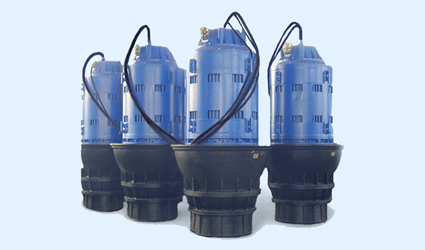
PRODUCTS
We adhere to independent innovation in science and technology and possess core technologies in the research and development, production and manufacturing of submersible pump products.
-

PROJECTS
Lanshen people are working hand in hand with friends from all walks of life to fulfill the corporate purpose of "creating a green environment and being responsible for the future", becoming the investment subject and partner of many projects, and constantly rewriting the history of China's water industry.
-

NEWS
Follow our updates in real time, from the known to the unknown, the exploration never stops
-
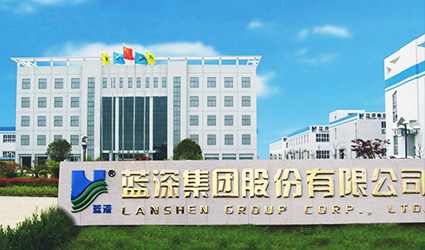
ABOUT
Founded in 1958, it is a national environmental protection enterprise and a high-tech enterprise. As a manufacturer of submersible sewage pumps and agitators

16
2025
-
03
Understanding Submersible Axial Flow Pump Spots: Applications and Insights
One of the key advantages of submersible axial flow pumps is their ability to operate underwater, which negates the need for complex above-ground infrastructure. This feature makes them particularly valuable in environments where space is limited or where it is impractical to install surface pumps. When considering submersible axial flow pump spots, it is essential to evaluate their placement, as the efficiency of these pumps is highly dependent on their environmental context.
These pumps are often employed in locations such as sewage treatment plants, where the need to move large volumes of water efficiently is paramount. Their design allows for continuous operation, ensuring that they can handle fluctuating flow rates without compromising performance. Additionally, submersible axial flow pumps can be utilized in agricultural applications for irrigation systems, providing a reliable means to deliver large quantities of water to crops, thus supporting efficient agricultural practices.
When selecting submersible axial flow pump spots, it is vital to consider several factors, including the depth of installation, the type of fluid being pumped, and the specific requirements of the application. For instance, the pump's material construction should be compatible with the fluid's properties to prevent corrosion and ensure longevity. Furthermore, professionals should assess the pump’s performance curves to ensure it meets the required flow and head specifications for their unique application.
In terms of maintenance, submersible axial flow pumps often require less frequent servicing compared to surface pumps, as they are less exposed to environmental elements. However, regular inspections and monitoring are still essential to identify any potential issues early on. Additionally, professionals should ensure that adequate safety measures are implemented during installation and operation, as working with submersible equipment entails unique risks.
In conclusion, submersible axial flow pumps offer significant benefits in various industrial applications, particularly where high flow rates are needed. Their unique design allows for efficient fluid management in submerged environments, making them an attractive choice for professionals in the industrial equipment sector. By understanding the appropriate spots for these pumps and considering key operational factors, businesses can optimize their fluid handling processes and enhance overall efficiency.
More information

Email: info@lanshengroup.com
Email:trade@lanshengroup.com
Tel:86-025-57507802/86-13814194132
Address: NO.305,East Xiongzhou Rd,Liuhe,Nanjing City,Jiangsu Province


Copyright©2024 Nanjing lanshen Pump Corp.LTD All rights reserved.