
-
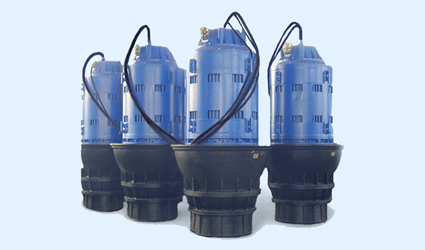
PRODUCTS
We adhere to independent innovation in science and technology and possess core technologies in the research and development, production and manufacturing of submersible pump products.
-

PROJECTS
Lanshen people are working hand in hand with friends from all walks of life to fulfill the corporate purpose of "creating a green environment and being responsible for the future", becoming the investment subject and partner of many projects, and constantly rewriting the history of China's water industry.
-

NEWS
Follow our updates in real time, from the known to the unknown, the exploration never stops
-
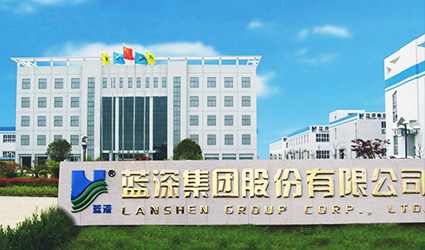
ABOUT
Founded in 1958, it is a national environmental protection enterprise and a high-tech enterprise. As a manufacturer of submersible sewage pumps and agitators

18
2025
-
03
Essential Insights into Submersible Mixers for Wastewater Treatment
Submersible mixers are typically constructed from durable materials that resist corrosion, allowing them to withstand harsh environments. This is particularly important in wastewater treatment, where chemical reactions and biological processes can create challenging conditions. The robust design of these mixers ensures a long operational life, reducing the need for frequent replacements and maintenance.
One of the key advantages of using submersible mixers is their energy efficiency. These mixers are often equipped with advanced motor technologies that consume less power while delivering high performance. This not only helps in reducing operational costs but also supports sustainability efforts in wastewater management. By optimizing energy consumption, facilities can minimize their environmental footprint while effectively managing wastewater.
The versatility of submersible mixers allows them to be used in various stages of wastewater treatment. From preliminary treatment to biological processes, these mixers help in enhancing the efficiency of the treatment system. In aeration tanks, for example, they facilitate the transfer of oxygen to bacteria, which is essential for breaking down organic matter. This acceleration of biological processes leads to improved treatment outcomes.
When selecting a submersible mixer for a wastewater treatment application, it is important to consider factors such as flow rate, mixing efficiency, and compatibility with the specific treatment process. Proper sizing and configuration of the mixer can significantly impact the overall performance of the treatment system. Additionally, regular monitoring and maintenance of submersible mixers are essential to ensure optimal operation and longevity.
In conclusion, submersible mixers are an indispensable component of modern wastewater treatment systems. Their ability to provide effective mixing and aeration contributes significantly to the efficiency of treatment processes. By understanding the operational principles and benefits of these devices, wastewater treatment facilities can make informed decisions that enhance their overall performance and sustainability. Whether you are involved in the design, operation, or maintenance of wastewater treatment systems, knowledge of submersible mixers will prove invaluable in achieving effective wastewater management.
More information

Email: info@lanshengroup.com
Email:trade@lanshengroup.com
Tel:86-025-57507802/86-13814194132
Address: NO.305,East Xiongzhou Rd,Liuhe,Nanjing City,Jiangsu Province


Copyright©2024 Nanjing lanshen Pump Corp.LTD All rights reserved.