
-
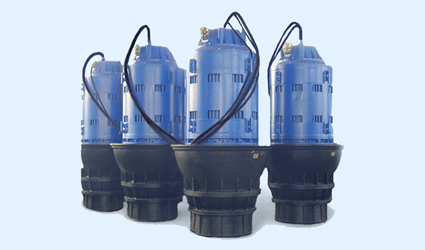
PRODUCTS
We adhere to independent innovation in science and technology and possess core technologies in the research and development, production and manufacturing of submersible pump products.
-

PROJECTS
Lanshen people are working hand in hand with friends from all walks of life to fulfill the corporate purpose of "creating a green environment and being responsible for the future", becoming the investment subject and partner of many projects, and constantly rewriting the history of China's water industry.
-

NEWS
Follow our updates in real time, from the known to the unknown, the exploration never stops
-
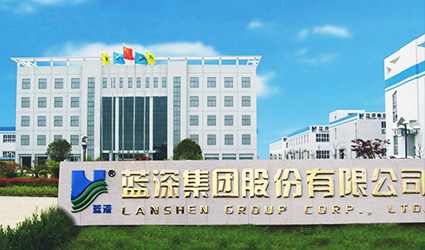
ABOUT
Founded in 1958, it is a national environmental protection enterprise and a high-tech enterprise. As a manufacturer of submersible sewage pumps and agitators

19
2025
-
03
Exploring the Benefits of Submersible Grinder Impeller Pumps in Industry
Exploring the Benefits of Submersible Grinder Impeller Pumps in Industry
Table of Contents
- 1. Introduction to Submersible Grinder Impeller Pumps
- 2. Understanding Submersible Grinder Impeller Pumps
- 3. Advantages of Using Submersible Grinder Impeller Pumps
- 4. Applications in Various Industries
- 5. Technical Specifications of Submersible Grinder Pumps
- 6. Maintenance and Longevity of Grinder Pumps
- 7. Choosing the Right Submersible Grinder Impeller Pump
- 8. Future Trends in Pump Technology
- 9. Frequently Asked Questions
- 10. Conclusion
1. Introduction to Submersible Grinder Impeller Pumps
In the ever-evolving industrial landscape, efficiency and reliability are paramount. Among the various types of pumps used for fluid management, **submersible grinder impeller pumps** stand out due to their unique construction and operational advantages. These pumps are designed to handle thick slurries, solids, and wastewater, making them essential for various industrial applications. Understanding the nuanced benefits of these pumps can significantly enhance operational productivity and reduce maintenance costs.
2. Understanding Submersible Grinder Impeller Pumps
Submersible grinder impeller pumps are specialized pumps that function underwater and are equipped with a grinding mechanism. This grinding feature allows them to break down solids into smaller particles, facilitating easier transport through the pumping system. The design typically includes a robust motor encased in a watertight compartment, which ensures the pump operates efficiently even when fully submerged.
The primary components of a submersible grinder pump include:
- **Grinding impeller**: Designed to shred solid waste.
- **Motor**: Provides the necessary power to operate the pump.
- **Pump casing**: Protects internal components and ensures durability.
- **Discharge pipe**: Facilitates the transport of fluid to the desired location.
This combination of features makes submersible grinder impeller pumps suitable for environments where conventional pumps might struggle.
3. Advantages of Using Submersible Grinder Impeller Pumps
The benefits of submersible grinder impeller pumps extend beyond their ability to handle challenging waste. Here are the key advantages:
3.1 Enhanced Efficiency in Waste Management
Submersible grinder pumps excel in applications where waste must be processed efficiently. Their grinding mechanism reduces the size of solids, preventing clogs in the system. This efficiency translates to less downtime and lower operational costs.
3.2 Compact and Versatile Design
These pumps are designed to be compact, allowing for installation in tight spaces. Their versatility makes them suitable for a variety of applications ranging from municipal wastewater treatment to industrial processing.
3.3 Reduced Maintenance Costs
By effectively grinding solids and minimizing blockages, submersible grinder pumps contribute to lower maintenance needs. This not only saves time but also reduces the expenditure associated with repairs and replacements.
3.4 Improved Safety
Submersible grinder pumps operate underwater, which can enhance safety by reducing the risk of exposure to harmful substances. Furthermore, the enclosed design minimizes the likelihood of leaks and spills.
3.5 Energy Efficiency
Modern submersible grinder pumps are engineered for energy efficiency. They consume less power compared to traditional pumps, making them an eco-friendly choice for industries looking to reduce their carbon footprint.
4. Applications in Various Industries
Submersible grinder impeller pumps are deployed across various sectors due to their adaptability. Some prominent applications include:
4.1 Wastewater Treatment Plants
In wastewater treatment facilities, these pumps are crucial for processing sewage and other waste products. Their ability to handle solids ensures smooth operation and compliance with environmental regulations.
4.2 Food Processing Industry
In food processing plants, submersible grinder pumps are used to manage waste generated during production. Their grinding capability allows for efficient waste disposal without impacting the cleanliness of the facility.
4.3 Industrial Manufacturing
Manufacturing processes often generate sludge and other solid waste. Submersible grinder impeller pumps effectively transport these materials to treatment facilities, streamlining the waste management process.
4.4 Construction Sites
Construction sites frequently deal with slurry and mixed waste. These pumps can be employed to manage the dewatering process, ensuring that sites remain operational and safe.
5. Technical Specifications of Submersible Grinder Pumps
Understanding the technical specifications of submersible grinder impeller pumps is crucial for selecting the right model for a specific application. Here are some key parameters to consider:
5.1 Flow Rate
The flow rate, typically measured in gallons per minute (GPM), indicates the volume of fluid a pump can handle. Various models cater to different flow rate needs, so selecting a pump that matches the specific requirements is essential.
5.2 Head Pressure
Head pressure refers to the height to which a pump can effectively lift water. It is a critical specification that determines the pump's ability to transport fluids vertically.
5.3 Power Rating
The power rating, expressed in horsepower (HP), indicates the energy consumption and performance capability of the pump. Higher power ratings generally translate to greater efficiency in handling challenging materials.
5.4 Material of Construction
Durability is vital, especially in harsh environments. Most submersible grinder pumps are constructed from materials such as stainless steel or high-grade plastics to resist corrosion and wear.
6. Maintenance and Longevity of Grinder Pumps
Maintaining submersible grinder impeller pumps is crucial for ensuring their longevity and optimal performance. Here are some maintenance tips:
6.1 Regular Inspection
Conduct regular inspections to identify any wear and tear or potential issues before they become serious problems. Check the grinding impeller and motor for signs of damage.
6.2 Cleaning and Debris Removal
Periodically clean the pump to remove any buildup of debris or solids. This practice helps maintain efficiency and prevents blockages.
6.3 Monitoring Performance
Keep an eye on the pump's performance metrics, such as flow rate and power consumption. Any deviations from normal operating conditions may indicate the need for maintenance.
6.4 Professional Servicing
Consider engaging professional pump servicing companies for comprehensive inspections and repairs. Regular professional maintenance can further extend the lifespan of the equipment.
7. Choosing the Right Submersible Grinder Impeller Pump
Selecting the appropriate submersible grinder impeller pump requires careful consideration of several factors:
7.1 Assessing Application Needs
Understand the specific requirements of your application, including the type of waste, required flow rate, and head pressure.
7.2 Evaluating Pump Features
Look for features that enhance performance, such as variable speed control and corrosion-resistant materials, to ensure the pump meets your operational demands.
7.3 Consulting Manufacturers
Consult manufacturers or suppliers for guidance on choosing the right model. They can provide valuable insights based on industry standards and technological advancements.
8. Future Trends in Pump Technology
The pump industry is constantly evolving with advancements in technology. Some future trends to watch for include:
8.1 Smart Technology Integration
Incorporating IoT technology into submersible grinder pumps will enable remote monitoring and diagnostics, allowing operators to manage performance more effectively.
8.2 Eco-Friendly Designs
As industries strive for sustainability, manufacturers are focusing on creating energy-efficient and environmentally friendly pump designs.
8.3 Enhanced Automation
Automation will play a larger role in pump operation, enhancing efficiency and reducing the need for manual intervention.
9. Frequently Asked Questions
9.1 What are submersible grinder impeller pumps used for?
Submersible grinder impeller pumps are primarily used for handling wastewater, sludge, and other solid-laden fluids in various industrial and municipal applications.
9.2 How do submersible grinder pumps work?
These pumps use a grinding impeller to break down solids into smaller particles, allowing for easier transport through the pumping system.
9.3 Are submersible grinder pumps energy efficient?
Yes, modern submersible grinder pumps are designed to operate efficiently, often consuming less energy than traditional pumps while delivering superior performance.
9.4 How long can I expect my submersible grinder pump to last?
With proper maintenance, submersible grinder pumps can last anywhere from 5 to 15 years, depending on usage and environmental conditions.
9.5 What maintenance is required for submersible grinder pumps?
Regular inspections, cleaning, and monitoring of performance metrics are essential for maintaining the longevity and efficiency of these pumps.
10. Conclusion
In conclusion, submersible grinder impeller pumps present numerous advantages that enhance operational efficiency across various industries. Their unique design allows for effective waste management, reduced maintenance costs, and increased safety, making them an invaluable asset in fluid handling applications. As technology continues to advance, these pumps are expected to become even more efficient and versatile, paving the way for sustainable industrial practices. By understanding the benefits and applications of submersible grinder pumps, businesses can make informed decisions that lead to improved productivity and reduced operational challenges.
More information

Email: info@lanshengroup.com
Email:trade@lanshengroup.com
Tel:86-025-57507802/86-13814194132
Address: NO.305,East Xiongzhou Rd,Liuhe,Nanjing City,Jiangsu Province


Copyright©2024 Nanjing lanshen Pump Corp.LTD All rights reserved.