
-
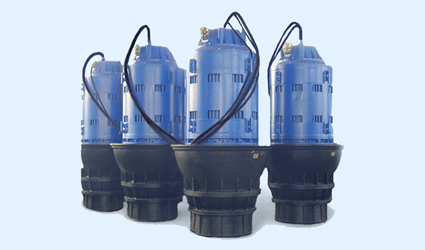
PRODUCTS
We adhere to independent innovation in science and technology and possess core technologies in the research and development, production and manufacturing of submersible pump products.
-

PROJECTS
Lanshen people are working hand in hand with friends from all walks of life to fulfill the corporate purpose of "creating a green environment and being responsible for the future", becoming the investment subject and partner of many projects, and constantly rewriting the history of China's water industry.
-

NEWS
Follow our updates in real time, from the known to the unknown, the exploration never stops
-
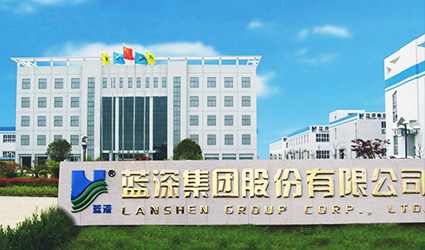
ABOUT
Founded in 1958, it is a national environmental protection enterprise and a high-tech enterprise. As a manufacturer of submersible sewage pumps and agitators

21
2025
-
03
Top Benefits of Using Submersible Axial Flow Pumps in Wastewater Management
Top Benefits of Using Submersible Axial Flow Pumps in Wastewater Management
Wastewater management is a critical component in maintaining public health and protecting the environment. Among the various technologies employed in this sector, **submersible axial flow pumps** stand out due to their efficiency, reliability, and versatility. In this article, we explore the numerous benefits of these pumps in detail, highlighting why they are an indispensable asset for wastewater treatment facilities.
Table of Contents
- Introduction to Submersible Axial Flow Pumps
- 1. Enhanced Efficiency in Wastewater Management
- 2. Space-Saving Design and Installation Flexibility
- 3. Energy Savings and Cost-Effectiveness
- 4. Reduced Noise Levels
- 5. Reliable Operation and Maintenance
- 6. Positive Environmental Impact
- 7. Future Trends and Innovations in Axial Flow Pumps
- Conclusion
- FAQs About Submersible Axial Flow Pumps
Introduction to Submersible Axial Flow Pumps
Submersible axial flow pumps are specifically designed to operate underwater, making them ideal for wastewater management systems. Unlike traditional pumps that require above-ground installations, submersible pumps are submerged directly in the liquid they are pumping, which can significantly reduce installation space and complexity. These pumps are engineered to handle large volumes of wastewater efficiently, making them an attractive option for municipalities and industrial facilities alike.
1. Enhanced Efficiency in Wastewater Management
One of the foremost benefits of submersible axial flow pumps is their **high efficiency** in moving large volumes of water. These pumps utilize an axial flow design, which enables them to shift significant amounts of wastewater quickly and with minimal energy consumption. The design typically features **larger impellers**, which allow for greater flow rates compared to centrifugal pumps. The result is a more efficient system that can handle varying flow conditions without compromising performance.
Furthermore, the ability to operate at lower submerged depths allows these pumps to maintain high efficiency even under challenging conditions, making them ideal for diverse wastewater environments.
2. Space-Saving Design and Installation Flexibility
In urban settings, space is often at a premium. Traditional pump systems can require significant space for installation, including necessary infrastructure like pump stations and vaults. In contrast, submersible axial flow pumps can be installed in a variety of environments, including deep wells and underground chambers, thus saving valuable surface area.
This **compact design** allows for greater flexibility in wastewater facility layouts, enabling engineers to optimize existing spaces or design new facilities with a better footprint. Additionally, their ability to be deployed in challenging environments means that municipalities can expand their wastewater management capabilities without the need for extensive construction projects.
3. Energy Savings and Cost-Effectiveness
Cost savings is a key consideration for any wastewater treatment facility. Submersible axial flow pumps are known for their **energy efficiency**, which translates into lower operational costs. Their design minimizes hydraulic losses, allowing for higher flow rates with reduced energy input. This can result in significant savings on electricity bills, especially for facilities that operate continuously.
Moreover, advancements in **variable frequency drive (VFD)** technology further enhance the energy efficiency of these pumps. VFDs allow for the adjustment of pump speed based on real-time demand, ensuring that the system only uses the energy necessary to meet current flow requirements. This feature not only reduces energy costs but also extends the lifespan of the pump by minimizing wear and tear.
4. Reduced Noise Levels
Noise pollution is a common concern in wastewater treatment facilities, especially those located near residential areas. Traditional pumps can generate considerable noise during operation, potentially leading to community complaints. Submersible axial flow pumps, however, are much quieter due to their submerged nature and advanced design.
By operating deep underwater, these pumps experience sound dampening from the surrounding water. This results in a **significantly quieter operation**, contributing to a better relationship with the surrounding community and enhancing overall working conditions for facility staff.
5. Reliable Operation and Maintenance
The reliability of submersible axial flow pumps in wastewater management is another compelling advantage. Designed to withstand harsh conditions, these pumps can handle varying levels of solids and debris commonly found in wastewater. Their robust construction minimizes the risk of blockages and breakdowns.
Maintenance is also simplified with these pumps. Many models feature **automatic self-cleaning mechanisms** and can be serviced easily without the need for extensive dismantling. Regular maintenance checks can be performed with minimal disruption to facilities, allowing operations to continue smoothly.
6. Positive Environmental Impact
In an era where environmental responsibility is paramount, submersible axial flow pumps contribute positively to wastewater management efforts. Their **energy-efficient operation** reduces greenhouse gas emissions associated with electricity consumption. Furthermore, because they are capable of handling wastewater more effectively, they support better environmental outcomes by ensuring that treated water meets or exceeds regulatory standards before re-entering natural water bodies.
Utilizing these pumps can help municipalities and industries bolster their sustainability initiatives, demonstrating a commitment to protecting the environment while maintaining effective wastewater management systems.
7. Future Trends and Innovations in Axial Flow Pumps
As technology continues to advance, so too do the capabilities of submersible axial flow pumps. Innovations such as smart pumping systems, which integrate IoT technology for real-time monitoring and analytics, are beginning to emerge. These systems enable predictive maintenance, allowing facilities to anticipate issues before they become major problems.
Additionally, the incorporation of **advanced materials** and coatings will further enhance the durability and efficiency of these pumps. As the industry evolves, we can expect submersible axial flow pumps to become even more pivotal in the future of wastewater management.
Conclusion
In summary, the benefits of using submersible axial flow pumps in wastewater management are extensive and compelling. Their high efficiency, compact design, and ability to operate reliably under various conditions make them an invaluable asset for any wastewater treatment facility. Furthermore, their cost-effectiveness, reduced noise levels, and positive environmental impact position them as a sustainable choice for the future.
As the industry continues to advance and adopt innovative technologies, the role of submersible axial flow pumps will undoubtedly become even more significant. Investing in these pumps today will not only enhance operational efficiency but also contribute to a greener and more sustainable future for wastewater management.
FAQs About Submersible Axial Flow Pumps
1. What is a submersible axial flow pump?
A submersible axial flow pump is designed to be submerged in the fluid it pumps, utilizing an axial flow design to move large volumes of liquid efficiently.
2. What advantages do these pumps offer over traditional pumps?
Submersible axial flow pumps provide enhanced efficiency, reduced space requirements, lower noise levels, and greater reliability in handling wastewater compared to traditional pumps.
3. How do submersible axial flow pumps contribute to energy savings?
Their design minimizes hydraulic losses, allowing for higher flow rates with less energy input, and integration with variable frequency drives (VFDs) further optimizes energy usage.
4. Are submersible axial flow pumps easy to maintain?
Yes, many models feature automatic self-cleaning mechanisms and are designed for easy access during regular maintenance checks, minimizing operational disruptions.
5. What is the environmental impact of using these pumps?
They help reduce greenhouse gas emissions due to their energy-efficient operation and support better environmental outcomes by ensuring treated wastewater meets regulatory standards.
By understanding these benefits and incorporating submersible axial flow pumps into wastewater management strategies, facilities can improve their operations while contributing to a more sustainable future.
More information

Email: info@lanshengroup.com
Email:trade@lanshengroup.com
Tel:86-025-57507802/86-13814194132
Address: NO.305,East Xiongzhou Rd,Liuhe,Nanjing City,Jiangsu Province


Copyright©2024 Nanjing lanshen Pump Corp.LTD All rights reserved.