
-
PRODUCTS
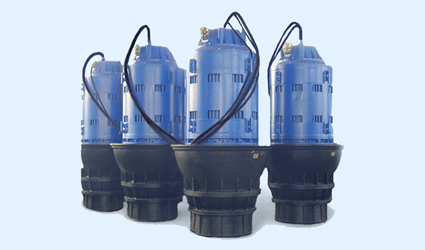
We adhere to independent innovation in science and technology and possess core technologies in the research and development, production and manufacturing of submersible pump products.
-

PROJECTS
Lanshen people are working hand in hand with friends from all walks of life to fulfill the corporate purpose of "creating a green environment and being responsible for the future", becoming the investment subject and partner of many projects, and constantly rewriting the history of China's water industry.
-

NEWS
Follow our updates in real time, from the known to the unknown, the exploration never stops
-
ABOUT
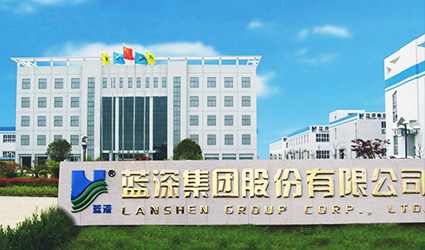
Founded in 1958, it is a national environmental protection enterprise and a high-tech enterprise. As a manufacturer of submersible sewage pumps and agitators

29
2025
-
03
A Comprehensive Guide to Single Vane Impeller Sewage Pump Maintenance
A Comprehensive Guide to Single Vane Impeller Sewage Pump Maintenance
Table of Contents
1. Introduction to Single Vane Impeller Sewage Pumps
2. Understanding the Importance of Regular Maintenance
2.1 Why Maintenance Matters
2.2 Cost Implications of Neglect
3. Key Components of Single Vane Impeller Sewage Pumps
3.1 Impeller Design and Functionality
3.2 Motor Selection and Performance
4. Essential Maintenance Practices
4.1 Routine Inspections
4.2 Lubrication Techniques
4.3 Cleaning Procedures
4.4 Parts Replacement Guidelines
5. Troubleshooting Common Issues
5.1 Pump Not Starting
5.2 Reduced Flow Rate
5.3 Unusual Noises
6. Seasonal Maintenance Checklist
6.1 Pre-Winter Preparations
6.2 Preparing for Heavy Rainfall
7. Best Practices for Extending Pump Life
8. Conclusion
9. Frequently Asked Questions
1. Introduction to Single Vane Impeller Sewage Pumps
Single vane impeller sewage pumps are vital components in many wastewater management systems. These pumps are specifically designed to handle the challenges associated with sewage and effluent transportation. With a single vane design, they offer superior efficiency and reliability, making them a popular choice in both residential and industrial applications. Understanding their operation and maintenance is crucial for anyone involved in wastewater management.
2. Understanding the Importance of Regular Maintenance
Regular maintenance of sewage pumps is not merely a recommended practice; it is essential for ensuring their optimal performance.
2.1 Why Maintenance Matters
Routine maintenance helps identify potential issues before they escalate, ensuring that the pumps operate at peak efficiency. Regular checks can prevent unexpected breakdowns and extend the lifespan of the equipment, saving significant costs in the long run.
2.2 Cost Implications of Neglect
Neglecting maintenance can lead to severe consequences, including costly repairs, increased energy consumption, and even environmental hazards. An efficient pump reduces energy costs and minimizes the risk of sewage overflows, which can result in hefty fines and legal repercussions.
3. Key Components of Single Vane Impeller Sewage Pumps
Understanding the anatomy of a single vane impeller sewage pump is fundamental for effective maintenance.
3.1 Impeller Design and Functionality
The impeller is the heart of the pump, converting mechanical energy into hydraulic energy. A single vane design allows for smoother flow and less turbulence, which reduces wear on the pump components.
3.2 Motor Selection and Performance
Choosing the right motor is critical for pump performance. The motor should be appropriately sized to handle the pump's capacity and the specific requirements of the application.
4. Essential Maintenance Practices
Following a structured maintenance regimen is key to ensuring the longevity and efficiency of your sewage pumps.
4.1 Routine Inspections
Regular inspections should include checking for leaks, monitoring the pump’s vibration levels, and ensuring that electrical connections are secure. Look for any signs of deterioration or wear, which can indicate the need for repair or replacement.
4.2 Lubrication Techniques
Proper lubrication is vital to prevent friction between moving parts. Follow manufacturer guidelines for lubrication intervals and the type of lubricant to use. Over-lubrication can be just as harmful as under-lubrication, so attention to detail is crucial.
4.3 Cleaning Procedures
Sewage pumps should be cleaned regularly to prevent the buildup of debris and sediment. This includes cleaning the impeller, casing, and any filters or screens. A clean pump not only operates more efficiently but also has a longer service life.
4.4 Parts Replacement Guidelines
Identify parts that are prone to wear and should be replaced periodically, such as seals, bearings, and impellers. Following a proactive replacement schedule can prevent unexpected failures.
5. Troubleshooting Common Issues
Even with the best maintenance practices, issues can arise. Being able to troubleshoot problems quickly can save time and money.
5.1 Pump Not Starting
If the pump fails to start, check the power supply and ensure that all electrical connections are intact. Additionally, inspect the motor for any faults that may require professional attention.
5.2 Reduced Flow Rate
A decrease in flow rate can be caused by clogged impellers or filters. Cleaning or replacing these components may restore the pump’s performance.
5.3 Unusual Noises
Strange sounds, such as grinding or rattling, may indicate worn bearings or misalignment. Immediate inspection is necessary to prevent further damage.
6. Seasonal Maintenance Checklist
Adapting maintenance practices to seasonal changes ensures that sewage pumps remain functional throughout the year.
6.1 Pre-Winter Preparations
Before winter sets in, ensure that the pump is properly insulated to prevent freezing. Drain any residual water to avoid ice formation inside the pump.
6.2 Preparing for Heavy Rainfall
During rainy seasons, inspect sump pits and discharge lines for blockages. Ensure that backup power systems are operational to handle increased loads during storms.
7. Best Practices for Extending Pump Life
Implementing best practices can significantly increase the lifespan of your sewage pump.
1. **Regularly Monitor Performance:** Keep track of flow rates and energy consumption.
2. **Educate Operators:** Proper training for staff on pump operation and maintenance can reduce the risk of human error.
3. **Keep Records:** Maintain detailed logs of all maintenance activities, inspections, and repairs.
8. Conclusion
Maintaining single vane impeller sewage pumps is critical for their performance, efficiency, and longevity. By adhering to a structured maintenance schedule and being proactive about inspections and repairs, operators can significantly reduce downtime and operational costs. Remember that a well-maintained pump not only safeguards your investment but also contributes to environmental protection by preventing sewage overflows and ensuring reliable wastewater management.
9. Frequently Asked Questions
1. How often should I perform maintenance on my sewage pump?
Regular maintenance should be performed at least once a month, with more frequent checks during high-use seasons or adverse weather conditions.
2. What are the signs that my sewage pump needs repair?
Common signs of needed repairs include unusual noises, vibrations, reduced flow rates, and frequent tripping of circuit breakers.
3. Can I perform maintenance on my sewage pump myself?
While routine tasks like cleaning and visual inspections can be done by operators, more complex repairs should be handled by qualified professionals.
4. What types of lubricants should I use for my sewage pump?
Always refer to the manufacturer's specifications for the correct type of lubricant. Using the wrong lubricant can lead to pump failure.
5. Is it necessary to clean the pump regularly?
Yes, regular cleaning is essential to prevent blockages and maintain efficient operation. Neglecting this task can lead to pump failure and costly repairs.
More information

Email: info@lanshengroup.com
Email:trade@lanshengroup.com
Tel:86-025-57507802/86-13814194132
Address: NO.305,East Xiongzhou Rd,Liuhe,Nanjing City,Jiangsu Province


Copyright©2024 Nanjing lanshen Pump Corp.LTD All rights reserved.