
-
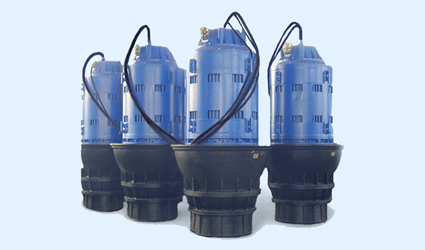
PRODUCTS
We adhere to independent innovation in science and technology and possess core technologies in the research and development, production and manufacturing of submersible pump products.
-

PROJECTS
Lanshen people are working hand in hand with friends from all walks of life to fulfill the corporate purpose of "creating a green environment and being responsible for the future", becoming the investment subject and partner of many projects, and constantly rewriting the history of China's water industry.
-

NEWS
Follow our updates in real time, from the known to the unknown, the exploration never stops
-
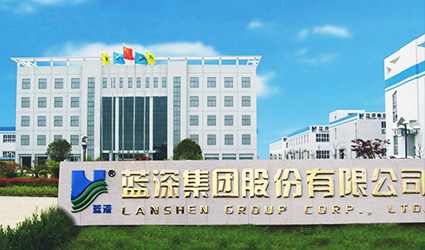
ABOUT
Founded in 1958, it is a national environmental protection enterprise and a high-tech enterprise. As a manufacturer of submersible sewage pumps and agitators

01
2025
-
04
Understanding Submersible Mixers in Wastewater Treatment: A Key Component for Efficient Processing
One of the primary functions of submersible mixers in wastewater treatment is to facilitate the mixing of various components within the wastewater. When wastewater enters a treatment facility, it often contains a combination of solids, liquids, and gases. The submersible mixer ensures that these components are uniformly blended, which is crucial for optimizing the biological treatment processes. This uniformity helps in maximizing the effectiveness of microorganisms responsible for breaking down organic matter.
Submersible mixers are also designed for energy efficiency. Most modern models are equipped with advanced motor technology that minimizes energy consumption while maximizing output. This is particularly important in wastewater treatment facilities, where operational costs can significantly impact overall budgetary considerations. By utilizing a submersible mixer, facilities can reduce energy usage while still maintaining effective mixing processes.
Another significant aspect of submersible mixers is their adaptability to various water treatment scenarios. These mixers can be deployed in different types of tanks and basins, making them suitable for both municipal and industrial wastewater treatment applications. Their compact design allows for easy installation and maintenance, making them an ideal choice for facilities looking to optimize their mixing systems without extensive modifications to existing infrastructure.
Durability is another feature that makes submersible mixers a valuable asset in wastewater treatment. Constructed from corrosion-resistant materials, these mixers can withstand harsh conditions typically found in wastewater environments. This resilience ensures a longer service life, reducing the frequency of replacements and associated costs.
Furthermore, the operational reliability of submersible mixers contributes to the overall stability of wastewater treatment processes. By preventing the settling of solids and ensuring even distribution of chemicals, they play a crucial role in maintaining consistent treatment performance. This consistency is vital for meeting regulatory standards and ensuring the safe release of treated water back into the environment.
In conclusion, submersible mixers are an indispensable part of wastewater treatment processes. Their ability to mix efficiently, reduce energy consumption, and adapt to various environments makes them a preferred choice for many treatment facilities. Investing in high-quality submersible mixers can lead to improved treatment outcomes and greater operational efficiency, ultimately supporting sustainable wastewater management practices.
More information

Email: info@lanshengroup.com
Email:trade@lanshengroup.com
Tel:86-025-57507802/86-13814194132
Address: NO.305,East Xiongzhou Rd,Liuhe,Nanjing City,Jiangsu Province


Copyright©2024 Nanjing lanshen Pump Corp.LTD All rights reserved.