
-
PRODUCTS
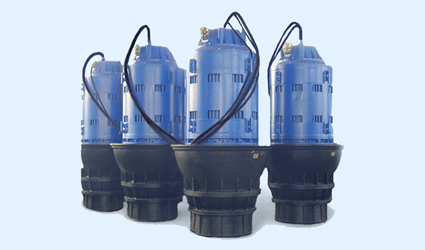
We adhere to independent innovation in science and technology and possess core technologies in the research and development, production and manufacturing of submersible pump products.
-

PROJECTS
Lanshen people are working hand in hand with friends from all walks of life to fulfill the corporate purpose of "creating a green environment and being responsible for the future", becoming the investment subject and partner of many projects, and constantly rewriting the history of China's water industry.
-

NEWS
Follow our updates in real time, from the known to the unknown, the exploration never stops
-
ABOUT
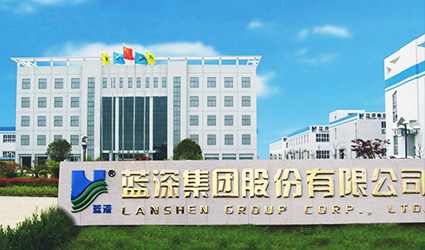
Founded in 1958, it is a national environmental protection enterprise and a high-tech enterprise. As a manufacturer of submersible sewage pumps and agitators

04
2025
-
04
How Submersible Grinder Impeller Pumps Revolutionize Waste Processing
How Submersible Grinder Impeller Pumps Revolutionize Waste Processing
Table of Contents
- 1. Introduction to Submersible Grinder Impeller Pumps
- 2. What Are Submersible Grinder Impeller Pumps?
- 3. How Submersible Grinder Impeller Pumps Work
- 4. Benefits of Using Submersible Grinder Impeller Pumps
- 4.1 Increased Efficiency in Waste Processing
- 4.2 Cost-Effectiveness
- 4.3 Reduced Odor and Microbial Growth
- 5. Applications of Submersible Grinder Impeller Pumps in Waste Management
- 6. Case Studies of Successful Implementation
- 7. Maintenance Tips for Optimal Performance
- 8. Frequently Asked Questions
- 9. Conclusion
1. Introduction to Submersible Grinder Impeller Pumps
In the realm of waste processing, efficiency and effectiveness are paramount. **Submersible grinder impeller pumps** have emerged as a vital solution for industries grappling with the challenges of waste management. These specialized pumps not only facilitate the handling of waste but also play a crucial role in transforming how waste is processed and disposed of. By grinding solid waste into smaller particles, these pumps ensure a smoother flow through pipelines, reducing the risk of clogs and enhancing overall system efficiency.
2. What Are Submersible Grinder Impeller Pumps?
Submersible grinder impeller pumps are a type of pump designed to operate while submerged in the fluid they are pumping. Unlike standard pumps, these devices feature integrated grinding mechanisms that chop and shred solid waste materials, allowing for easier transport through sewage and drainage systems.
**Key features** of submersible grinder impeller pumps include:
- **Compact design:** Ideal for confined spaces, minimizing the footprint and installation complexity.
- **Powerful grinding capabilities:** Equipped with sharp blades, they efficiently break down solids.
- **Durable construction:** Typically made from corrosion-resistant materials, ensuring longevity in harsh environments.
3. How Submersible Grinder Impeller Pumps Work
Understanding the operation of submersible grinder impeller pumps is crucial for appreciating their role in waste processing. The process begins when the pump is submerged in wastewater. The **grinding mechanism** engages as the pump activates, breaking down solid materials like food waste, fibrous substances, and other debris.
The design of the impeller plays a vital role in this process. The **impeller's rotating action** creates a centrifugal force, drawing the waste into the grinding chamber. As the waste encounters the sharp blades, it is shredded into smaller pieces. This pulverization reduces the size of the solids, enabling them to flow more easily through pipelines without causing blockages.
Once the waste is sufficiently reduced, the pump transports the processed material to treatment facilities or disposal sites, ensuring effective waste management.
4. Benefits of Using Submersible Grinder Impeller Pumps
Submersible grinder impeller pumps offer numerous advantages that significantly improve waste processing capabilities.
4.1 Increased Efficiency in Waste Processing
One of the primary benefits of these pumps is their ability to enhance processing efficiency. By grinding waste materials into smaller particles, the pumps facilitate smoother flow through pipes. This results in:
- **Fewer clogs and backups:** Smaller particles are less likely to cause obstructions, reducing maintenance needs.
- **Quicker processing times:** Efficient flow increases the speed of waste transport, allowing for timely processing and treatment.
4.2 Cost-Effectiveness
Investing in submersible grinder impeller pumps can lead to significant cost savings over time. The **cost-effectiveness** stems from several factors:
- **Reduced maintenance expenses:** Fewer instances of clogs and system failures translate to lower repair and maintenance costs.
- **Increased lifespan of equipment:** By preventing overstrain on pumps and pipes, these systems tend to have longer operational lifespans, decreasing replacement frequency.
4.3 Reduced Odor and Microbial Growth
The grinding action of these pumps also plays a crucial role in preventing odor issues and limiting microbial growth. By breaking down waste quickly and efficiently, submersible grinder impeller pumps:
- **Minimize the stagnant waste:** This reduces unpleasant odors associated with decomposing materials.
- **Discourage bacterial growth:** Smaller particles allow for better aeration and treatment, cutting down on the spread of harmful microorganisms.
5. Applications of Submersible Grinder Impeller Pumps in Waste Management
Submersible grinder impeller pumps find applications across various sectors, demonstrating their versatility and effectiveness in waste processing. Some of the key applications include:
- **Municipal Wastewater Treatment:** Used in sewage treatment plants to process residential and industrial waste.
- **Food Processing Industries:** Efficiently manage organic waste from food production, reducing landfill contributions.
- **Construction Sites:** Handle wastewater and debris from construction activities, ensuring compliance with environmental regulations.
- **Marine Applications:** Ideal for onboard waste management systems, ensuring clean and efficient waste disposal in marine environments.
6. Case Studies of Successful Implementation
Examining real-world applications sheds light on the effectiveness of submersible grinder impeller pumps in waste processing.
**Case Study 1: Municipal Wastewater Treatment Facility**
In a city’s wastewater treatment facility, the installation of submersible grinder impeller pumps led to a 30% reduction in clogging incidents. By effectively breaking down solid waste, the facility experienced decreased downtime and improved processing efficiency.
**Case Study 2: Food Processing Plant**
A food processing plant that incorporated grinder pumps reported a significant reduction in maintenance costs. The pumps managed organic waste more effectively, leading to lower disposal fees and improved sustainability practices.
7. Maintenance Tips for Optimal Performance
To ensure the longevity and efficiency of submersible grinder impeller pumps, regular maintenance is essential. Here are some key tips:
- **Regular inspections:** Check for wear and tear on blades and seals.
- **Clean the grinding chamber:** Avoid buildup of debris that can hinder performance.
- **Monitor motor performance:** Ensure the motor is operating within optimal parameters to prevent overheating and damage.
8. Frequently Asked Questions
**Q1: What types of waste can submersible grinder impeller pumps handle?**
A1: These pumps can manage a wide range of waste materials, including food waste, fibrous materials, and general sewage.
**Q2: How often should I perform maintenance on my submersible grinder impeller pump?**
A2: Regular inspections should be conducted at least quarterly, with more frequent checks in high-use environments.
**Q3: Can these pumps be used in residential applications?**
A3: Yes, submersible grinder impeller pumps are suitable for residential wastewater systems, especially in areas prone to clogs.
**Q4: Are submersible grinder impeller pumps energy-efficient?**
A4: Yes, modern designs focus on energy efficiency, providing significant power savings compared to traditional pumping systems.
**Q5: What should I do if my pump stops working?**
A5: Check for clogs and ensure that the power supply is functioning. If issues persist, consult a professional for troubleshooting.
9. Conclusion
Submersible grinder impeller pumps are transforming the landscape of waste processing. Their ability to efficiently manage solid waste not only enhances processing efficiency but also reduces costs and environmental impact. As industries continue to prioritize sustainable practices and effective waste management, the role of these innovative pumps will only become more critical. Investing in submersible grinder impeller pumps is a step towards a cleaner, more efficient future in waste processing.
More information

Email: info@lanshengroup.com
Email:trade@lanshengroup.com
Tel:86-025-57507802/86-13814194132
Address: NO.305,East Xiongzhou Rd,Liuhe,Nanjing City,Jiangsu Province


Copyright©2024 Nanjing lanshen Pump Corp.LTD All rights reserved.