
-
PRODUCTS
We adhere to independent innovation in science and technology and possess core technologies in the research and development, production and manufacturing of submersible pump products.
-

PROJECTS
Lanshen people are working hand in hand with friends from all walks of life to fulfill the corporate purpose of "creating a green environment and being responsible for the future", becoming the investment subject and partner of many projects, and constantly rewriting the history of China's water industry.
-

NEWS
Follow our updates in real time, from the known to the unknown, the exploration never stops
-

ABOUT
Founded in 1958, it is a national environmental protection enterprise and a high-tech enterprise. As a manufacturer of submersible sewage pumps and agitators

10
2025
-
04
Understanding the Technology Behind Submersible Axial Flow Pumps: A Comprehensive Guide
Understanding the Technology Behind Submersible Axial Flow Pumps
Table of Contents
- 1. Introduction to Submersible Axial Flow Pumps
- 2. Working Principle of Submersible Axial Flow Pumps
- 3. Key Design Features of Submersible Axial Flow Pumps
- 4. Applications of Submersible Axial Flow Pumps
- 5. Advantages of Using Submersible Axial Flow Pumps
- 6. Maintenance and Care for Submersible Axial Flow Pumps
- 7. Common Issues and Troubleshooting
- 8. Future Trends in Submersible Axial Flow Pump Technology
- 9. Conclusion
- 10. Frequently Asked Questions
1. Introduction to Submersible Axial Flow Pumps
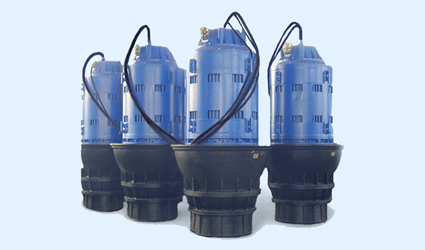
Submersible axial flow pumps are innovative devices designed for efficient fluid movement in various applications. Unlike their conventional counterparts, these pumps operate underwater, allowing them to handle large volumes of liquid with minimal installation space. Understanding the technology behind these pumps is crucial for industries that rely on effective and efficient fluid management.
2. Working Principle of Submersible Axial Flow Pumps
Submersible axial flow pumps operate based on the principle of axial flow, where the fluid moves parallel to the pump shaft. The pump consists of an impeller, which is driven by an electric motor located above the water surface. As the impeller rotates, it creates a difference in pressure that draws fluid into the pump and expels it through the discharge outlet.
2.1 Impeller Design and Functionality
The impeller is the heart of the submersible axial flow pump. Its design significantly affects the pump's efficiency and performance. Typically, these impellers have a pitch angle that allows for smooth fluid transition, reducing turbulence and energy consumption.
2.2 Motor Configuration
The motor is usually housed in a waterproof enclosure and may be cooled by the fluid being pumped. This configuration not only protects the motor but also ensures that the pump operates efficiently under various conditions.
3. Key Design Features of Submersible Axial Flow Pumps
Several design features differentiate submersible axial flow pumps from other types of pumps. Understanding these features can help in selecting the right pump for specific applications.
3.1 Materials of Construction
Submersible axial flow pumps are made from durable materials such as stainless steel, cast iron, and high-grade plastics. These materials are essential to withstand corrosive environments and enhance the longevity of the pump.
3.2 Pump Size and Configuration
These pumps come in various sizes and configurations, allowing them to be customized for specific applications. Smaller pumps are ideal for residential use, while larger units are suited for industrial applications.
3.3 Sealing Mechanisms
Effective sealing mechanisms are vital in preventing water ingress into the motor compartment. Various sealing technologies, including O-rings and mechanical seals, are employed to ensure reliability.
4. Applications of Submersible Axial Flow Pumps
Submersible axial flow pumps are versatile and find applications in numerous sectors. Some of the most common applications include:
4.1 Wastewater Management
These pumps are extensively used in wastewater treatment plants to move large volumes of water efficiently.
4.2 Irrigation Systems
Agricultural sectors utilize submersible axial flow pumps for irrigation, ensuring optimal water distribution across fields.
4.3 Flood Control
In regions prone to flooding, these pumps are employed to manage excess water and prevent damage to property.
4.4 Industrial Processes
Many industries rely on these pumps for cooling, mixing, and transporting fluids in their manufacturing processes.
5. Advantages of Using Submersible Axial Flow Pumps
The use of submersible axial flow pumps offers several advantages:
5.1 High Efficiency
These pumps are known for their high hydraulic efficiency, allowing for greater flow rates with reduced energy consumption.
5.2 Space-Saving Design
The compact design of submersible axial flow pumps makes them ideal for installations where space is limited.
5.3 Reduced Noise Levels
Operating underwater helps to mitigate noise levels associated with traditional pump systems, contributing to a quieter environment.
5.4 Easy Installation
Installation is straightforward, often requiring minimal civil works, which can lead to significant time and cost savings.
6. Maintenance and Care for Submersible Axial Flow Pumps
Proper maintenance is key to maximizing the lifespan and efficiency of submersible axial flow pumps.
6.1 Routine Inspections
Regular inspections should be conducted to check for wear and tear of components, ensuring that any potential issues are addressed before they escalate.
6.2 Lubrication
Maintaining the right levels of lubrication in moving parts is essential to prevent friction-related wear.
6.3 Cleaning
Periodically cleaning the pump and surrounding area helps prevent debris from clogging the system, which can hinder performance.
7. Common Issues and Troubleshooting
Understanding potential issues can help in the effective troubleshooting of submersible axial flow pumps.
7.1 Pump Won't Start
If the pump fails to start, check the power supply and ensure that all electrical connections are secure.
7.2 Low Flow Rate
A decrease in flow rate may indicate a blockage in the impeller or suction line. Regular maintenance can mitigate this issue.
7.3 Unusual Noise
If the pump produces unusual noises, it could be a sign of mechanical failure or cavitation. Immediate inspection is recommended.
8. Future Trends in Submersible Axial Flow Pump Technology
As technology evolves, so do the designs and functionalities of submersible axial flow pumps.
8.1 Smart Technology Integration
The future of these pumps lies in smart technology integration, with features like remote monitoring and predictive maintenance becoming more common.
8.2 Enhanced Energy Efficiency
With the growing emphasis on sustainability, manufacturers are focusing on developing pumps that consume less energy while maintaining performance.
8.3 Advanced Materials
The use of advanced materials that resist corrosion and wear will likely be a trend, enhancing the longevity and reliability of these pumps.
9. Conclusion
Submersible axial flow pumps are essential components across various industries, offering efficient fluid movement and a range of applications. Their unique design features, combined with the advantages they provide, make them indispensable in modern fluid management systems. By understanding the technology behind these pumps, industries can make informed decisions about their fluid management solutions, ensuring optimal performance and longevity.
10. Frequently Asked Questions
What is a submersible axial flow pump?
A submersible axial flow pump is a type of pump that operates underwater, moving fluid parallel to the pump shaft for efficient fluid management.
What industries use submersible axial flow pumps?
These pumps are used in a range of industries including wastewater management, agriculture, flood control, and industrial manufacturing.
How do I maintain a submersible axial flow pump?
Regular inspections, lubrication of moving parts, and cleaning to prevent blockages are essential for maintaining these pumps.
What are the advantages of using submersible axial flow pumps?
Key advantages include high efficiency, space-saving design, reduced noise levels, and straightforward installation procedures.
What should I do if my pump is not working?
Check the power supply, inspect electrical connections, and troubleshoot for common issues such as blockages or mechanical failures.
This comprehensive guide aims to deliver an all-encompassing understanding of submersible axial flow pumps, helping readers appreciate their significance and functionality in various applications.
More information

Email: info@lanshengroup.com
Email:trade@lanshengroup.com
Tel:86-025-57507802/86-13814194132
Address: NO.305,East Xiongzhou Rd,Liuhe,Nanjing City,Jiangsu Province


Copyright©2024 Nanjing lanshen Pump Corp.LTD All rights reserved.