
-
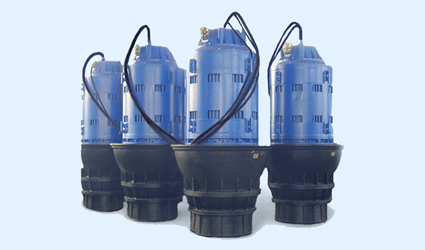
PRODUCTS
We adhere to independent innovation in science and technology and possess core technologies in the research and development, production and manufacturing of submersible pump products.
-

PROJECTS
Lanshen people are working hand in hand with friends from all walks of life to fulfill the corporate purpose of "creating a green environment and being responsible for the future", becoming the investment subject and partner of many projects, and constantly rewriting the history of China's water industry.
-

NEWS
Follow our updates in real time, from the known to the unknown, the exploration never stops
-
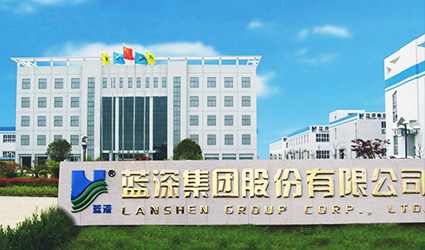
ABOUT
Founded in 1958, it is a national environmental protection enterprise and a high-tech enterprise. As a manufacturer of submersible sewage pumps and agitators

16
2025
-
04
Top Benefits of Using Submersible Mixers for Wastewater Treatment
Top Benefits of Using Submersible Mixers for Wastewater Treatment
Introduction to Submersible Mixers
In the realm of wastewater treatment, **submersible mixers** play a pivotal role in enhancing the efficiency and effectiveness of various processes. Designed to operate underwater, these mixers are essential for maintaining uniformity in liquid environments. Their ability to blend, agitate, and circulate materials makes them an invaluable asset in wastewater treatment facilities.
What Are Submersible Mixers?
Submersible mixers are specialized devices that function below the surface of the liquid. They are equipped with an electric motor and a propeller, allowing them to stir and mix the contents of a tank or basin. Unlike traditional mixers that operate above the liquid surface, submersible mixers can directly engage with the wastewater, facilitating more effective treatment processes.
Key Features of Submersible Mixers
- **Compact Design**: These mixers are designed to fit into tight spaces, making them perfect for various tank sizes and configurations.
- **Durable Materials**: Made from corrosion-resistant materials, submersible mixers can withstand harsh wastewater conditions.
- **Variable Speed Control**: This feature allows operators to adjust mixing intensity according to specific treatment needs.
- **Energy Efficiency**: Many modern submersible mixers are designed to minimize energy consumption while maximizing performance.
The Advantages of Using Submersible Mixers
1. Enhanced Mixing Efficiency
One of the most significant benefits of submersible mixers is their ability to provide **superior mixing efficiency**. They ensure uniform distribution of chemicals and nutrients, which is crucial for the biological treatment of wastewater. By promoting consistent agitation, these mixers help improve the microbial activity necessary for effective treatment.
2. Space-Saving Solutions
In many wastewater treatment plants, space is a premium. Submersible mixers are designed to be compact, which allows them to be installed in smaller tanks without sacrificing performance. This space-saving capability is particularly valuable for facilities looking to optimize their layouts without extensive renovations.
3. Reduced Maintenance Costs
Submersible mixers require minimal maintenance compared to traditional surface mixers. Their design reduces the likelihood of mechanical failure and wear, leading to lower operational costs. Additionally, many models are equipped with features that prevent clogging and other mechanical issues, further enhancing their reliability.
4. Versatility in Applications
Submersible mixers are not limited to one type of material or application. They can be utilized in various processes, including:
- **Aeration**: Enhancing oxygen transfer for biological treatment.
- **Sludge Mixing**: Ensuring uniformity in sludge tanks.
- **Chemical Dosage**: Mixing chemicals evenly to achieve the desired concentration.
Their versatility makes them suitable for a wide range of wastewater treatment scenarios.
5. Environmental Benefits
Using submersible mixers contributes to a more sustainable and eco-friendly treatment process. By improving the efficiency of wastewater treatment, these mixers help reduce the overall environmental impact. Efficient treatment leads to better water quality being returned to natural bodies, contributing positively to the ecosystem.
6. Improved Safety Features
Submersible mixers are designed with safety in mind. Many models feature automatic shut-off systems to prevent overheating and damage. This is particularly important in wastewater treatment settings where safety is a top priority.
7. Cost-Effective Operations
With their energy efficiency and reduced maintenance needs, submersible mixers provide a **cost-effective solution** for wastewater treatment facilities. Lower operational costs translate into significant savings over time, making them an attractive investment for any facility.
Installation and Operation of Submersible Mixers
Installation Guidelines
Installing a submersible mixer requires careful planning to ensure optimal performance. Key considerations include:
- **Tank Design**: Ensure that the tank is compatible with the mixer’s specifications.
- **Depth and Positioning**: Position the mixer to achieve maximum mixing efficiency without causing turbulence that could harm microbial life.
Consulting with a professional during the installation phase can lead to better long-term outcomes.
Operational Best Practices
To get the most out of your submersible mixer:
- **Monitor Performance**: Regularly check mixing efficiency and adjust settings as needed.
- **Routine Maintenance**: Follow manufacturer guidelines for maintenance to prolong the mixer’s lifespan.
- **Train Staff**: Ensure that all staff members are trained in the proper operation and troubleshooting of submersible mixers.
Real-World Examples of Submersible Mixers in Wastewater Treatment
Several case studies illustrate the transformative impact of submersible mixers in wastewater treatment. For instance, a treatment plant in [Location] integrated submersible mixers into their aeration tanks, resulting in a **30% increase** in treatment efficiency and a significant reduction in energy consumption.
Success Stories
- **Case Study 1**: A municipal wastewater treatment facility reported improved sludge management and enhanced biological treatment processes after installing submersible mixers.
- **Case Study 2**: An industrial wastewater site noted a marked reduction in chemical costs due to better mixing and distribution of chemical agents.
Choosing the Right Submersible Mixer for Your Needs
Selecting the appropriate submersible mixer involves evaluating several factors, including:
- **Capacity Requirements**: Assess the volume of wastewater that needs treatment.
- **Mixing Intensity**: Determine the level of agitation necessary for your specific application.
- **Material Compatibility**: Ensure the mixer’s materials are suitable for the type of wastewater being treated.
Frequently Asked Questions (FAQs)
1. How do submersible mixers differ from traditional mixers?
Submersible mixers operate underwater, providing direct agitation to the wastewater, while traditional mixers work above the liquid surface.
2. Are submersible mixers suitable for all types of wastewater?
Yes, submersible mixers can be used for various types of wastewater, including municipal, industrial, and agricultural.
3. How do I ensure my submersible mixer is energy-efficient?
Look for models designed with energy-efficient motors and variable speed controls to optimize performance and reduce energy consumption.
4. What maintenance is required for submersible mixers?
Regularly check for wear on the propeller and motor, clean any debris, and follow the manufacturer's maintenance guidelines for optimal performance.
5. Can submersible mixers help reduce chemical usage in wastewater treatment?
Yes, by providing better mixing and distribution of chemicals, submersible mixers can lead to reduced chemical usage while maintaining treatment effectiveness.
Conclusion
In conclusion, **submersible mixers** are integral tools in the wastewater treatment industry, offering a range of benefits from enhanced mixing efficiency to cost savings and environmental sustainability. Their versatility and effectiveness make them a preferred choice for modern treatment facilities looking to optimize performance and ensure compliance with environmental regulations. Investing in submersible mixers is not just a decision for today, but a step towards a more efficient and sustainable future in wastewater management. As we continue to tackle the challenges of wastewater treatment, the role of advanced solutions like submersible mixers will only grow more critical.
More information

Email: info@lanshengroup.com
Email:trade@lanshengroup.com
Tel:86-025-57507802/86-13814194132
Address: NO.305,East Xiongzhou Rd,Liuhe,Nanjing City,Jiangsu Province


Copyright©2024 Nanjing lanshen Pump Corp.LTD All rights reserved.