
-
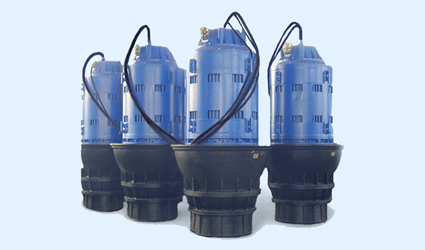
PRODUCTS
We adhere to independent innovation in science and technology and possess core technologies in the research and development, production and manufacturing of submersible pump products.
-

PROJECTS
Lanshen people are working hand in hand with friends from all walks of life to fulfill the corporate purpose of "creating a green environment and being responsible for the future", becoming the investment subject and partner of many projects, and constantly rewriting the history of China's water industry.
-

NEWS
Follow our updates in real time, from the known to the unknown, the exploration never stops
-
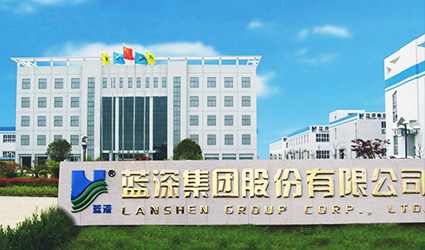
ABOUT
Founded in 1958, it is a national environmental protection enterprise and a high-tech enterprise. As a manufacturer of submersible sewage pumps and agitators

22
2025
-
04
The Impact of Vortex Impeller Pumps on Industrial Efficiency
The Impact of Vortex Impeller Pumps on Industrial Efficiency
Introduction to Vortex Impeller Pumps
In the realm of industrial equipment, **vortex impeller pumps** stand out as a critical component for optimizing performance and efficiency. These pumps utilize a unique design that aids in navigating complex fluid dynamics, making them invaluable in various applications ranging from chemical processing to wastewater management.
Understanding the mechanics of vortex impeller pumps and their role in industrial settings is essential for businesses aiming to enhance productivity, reduce operational costs, and minimize environmental impact.
How Vortex Impeller Pumps Work
The Mechanics of Vortex Impellers
Vortex impeller pumps operate on the principle of creating a **vortex** or whirlpool effect within the pump casing. This design allows the liquid to be drawn in at the center and expelled at high velocity through the outlet, leading to efficient fluid movement. The unique geometry of the impeller helps in minimizing turbulence, which is often a primary cause of energy loss in conventional pumping systems.
Key Features of Vortex Impeller Pumps
- **Non-Clogging Design**: Unlike traditional pumps, vortex pumps minimize the risk of clogging, making them ideal for handling solids-laden fluids.
- **High Efficiency**: The streamlined flow path reduces energy consumption, allowing for increased operational efficiency.
- **Versatile Applications**: Suitable for a variety of liquids, including those with high viscosity or abrasive properties.
Benefits of Vortex Impeller Pumps in Industrial Settings
Enhanced Energy Efficiency
One of the most significant advantages of vortex impeller pumps is their ability to operate at lower energy levels while maintaining high performance. By reducing energy consumption, businesses can significantly lower their operational costs. This becomes especially important in industries where energy prices are volatile or heavily regulated.
Improved Reliability and Reduced Maintenance Costs
The robust design of vortex pumps minimizes wear and tear, leading to longer service life and reducing the need for frequent maintenance. This reliability translates into lower maintenance costs and less downtime, both critical factors in maintaining operational efficiency.
Operational Flexibility
Vortex impeller pumps can handle a wide range of fluids, making them suitable for diverse applications across industries. Whether it’s chemical processing, agricultural irrigation, or wastewater treatment, their adaptability enhances operational flexibility.
Applications of Vortex Impeller Pumps in Various Industries
Chemical Processing
In chemical processing, vortex pumps are essential for transporting corrosive and viscous liquids. Their ability to handle a mixture of solids and liquids without compromising performance ensures that processes remain smooth and uninterrupted.
Wastewater Treatment
The wastewater treatment industry benefits significantly from vortex impeller pumps. Their non-clogging design allows for the efficient handling of sludge and other solid materials, effectively reducing the risk of pump failure and ensuring compliance with environmental regulations.
Food and Beverage Industry
In the food and beverage sector, vortex pumps enable the safe transport of various liquids without contamination. Their hygienic design adheres to strict food safety standards, ensuring that products meet quality requirements.
Comparing Vortex Impeller Pumps to Other Pump Types
Vortex Pumps vs. Centrifugal Pumps
While both vortex and centrifugal pumps are widely used in industrial applications, they differ significantly in design and functionality. Centrifugal pumps rely on direct mechanical energy to move fluids, often resulting in turbulence and inefficiencies. In contrast, vortex pumps offer a smoother flow, making them more efficient for specific applications.
Vortex Pumps vs. Positive Displacement Pumps
Positive displacement pumps operate by trapping a fixed volume of fluid and forcing it through the discharge. While this method can be effective, it may not be suitable for all fluid types, particularly those that contain solids. Vortex pumps provide a more versatile solution, handling a broader range of liquid types without the risk of clogging.
Economic Impact of Vortex Impeller Pumps on Industrial Operations
Cost Savings Through Efficiency
The economic implications of using vortex impeller pumps are profound. Reduced energy consumption translates into lower utility bills, while decreased maintenance needs lead to significant savings over time. Companies can reinvest these savings into other areas of their operations, fostering growth and innovation.
Environmental Benefits
Utilizing energy-efficient vortex pumps contributes to a **greener** industrial footprint. Lower energy usage reduces greenhouse gas emissions, aligning with global sustainability goals. Companies focused on corporate social responsibility (CSR) can leverage this aspect to enhance their brand image and meet regulatory requirements.
Challenges and Considerations in Implementing Vortex Impeller Pumps
Initial Investment Costs
While vortex impeller pumps offer long-term savings, the initial investment can be higher than traditional pump types. Businesses must evaluate their budget and consider the long-term benefits versus upfront costs.
Training and Familiarization
Transitioning to vortex impeller pumps may require training for operators and maintenance staff. Ensuring that teams are well-equipped to handle the new technology is crucial for maximizing efficiency and minimizing potential operational issues.
Best Practices for Maximizing the Efficiency of Vortex Impeller Pumps
Regular Maintenance and Inspection
Conducting routine maintenance and inspections is vital to ensuring the optimal performance of vortex pumps. Regular checks can help identify potential issues before they escalate, preserving the longevity and efficiency of the pumps.
Proper Sizing and Selection
Selecting the right size and type of vortex pump for specific applications is critical. Oversizing or undersizing can lead to inefficiencies and operational challenges. Working with experienced engineers can ensure the right fit for your needs.
Future Trends in Vortex Impeller Pump Technology
As industries continue to evolve, so too will the technology behind vortex impeller pumps. Innovations such as improved materials for better durability, enhanced designs for optimized performance, and integration of smart technology for real-time monitoring are set to redefine the landscape of industrial pumping systems.
FAQs about Vortex Impeller Pumps
1. What are vortex impeller pumps primarily used for?
Vortex impeller pumps are commonly used in applications involving liquids with solids, such as wastewater treatment, chemical processing, and the food and beverage industry.
2. How do vortex impeller pumps reduce energy consumption?
These pumps reduce energy consumption by ensuring a more efficient flow of liquids, minimizing turbulence and mechanical losses often found in traditional pump designs.
3. Are vortex impeller pumps suitable for high-viscosity fluids?
Yes, vortex impeller pumps can handle a variety of fluid viscosities, making them versatile for different industrial applications.
4. What maintenance is required for vortex impeller pumps?
Regular inspections, cleaning, and lubrication are essential to maintain the efficiency and longevity of vortex impeller pumps.
5. How do vortex pumps compare to other pump technologies?
Vortex pumps generally offer improved efficiency, reliability, and versatility compared to centrifugal and positive displacement pumps, particularly in applications involving solids.
Conclusion
Vortex impeller pumps represent a significant advancement in pump technology, driving industrial efficiency across various sectors. Their unique design, coupled with benefits such as energy efficiency, reliability, and versatility, makes them a preferred choice for many businesses. As industries continue to evolve, the adoption of vortex impeller pumps will likely expand, paving the way for more sustainable and efficient operations. Investing in this technology not only enhances productivity but also aligns with environmental goals, making it a crucial component in the modern industrial landscape.
More information

Email: info@lanshengroup.com
Email:trade@lanshengroup.com
Tel:86-025-57507802/86-13814194132
Address: NO.305,East Xiongzhou Rd,Liuhe,Nanjing City,Jiangsu Province


Copyright©2024 Nanjing lanshen Pump Corp.LTD All rights reserved.