
-
PRODUCTS
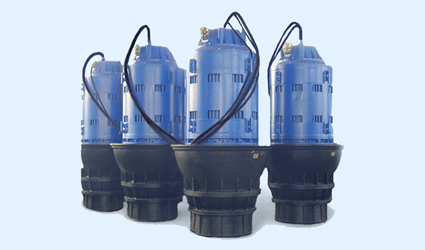
We adhere to independent innovation in science and technology and possess core technologies in the research and development, production and manufacturing of submersible pump products.
-

PROJECTS
Lanshen people are working hand in hand with friends from all walks of life to fulfill the corporate purpose of "creating a green environment and being responsible for the future", becoming the investment subject and partner of many projects, and constantly rewriting the history of China's water industry.
-

NEWS
Follow our updates in real time, from the known to the unknown, the exploration never stops
-

ABOUT
Founded in 1958, it is a national environmental protection enterprise and a high-tech enterprise. As a manufacturer of submersible sewage pumps and agitators

28
2025
-
04
Single Vane Impeller Sewage Pumps: Key Features That Enhance Performance
Single Vane Impeller Sewage Pumps: Key Features That Enhance Performance
Introduction to Single Vane Impeller Sewage Pumps
Single vane impeller sewage pumps play a crucial role in the efficient management of wastewater. These pumps are specifically designed to handle the rigorous demands of sewage systems, making them an essential component in various industrial and municipal applications. Understanding their key features can significantly enhance performance, leading to increased efficiency and reduced operational costs.
The Anatomy of a Single Vane Impeller Sewage Pump
To appreciate the advantages of single vane impeller sewage pumps, it's essential to understand their design and functionality.
What is a Single Vane Impeller?
A single vane impeller consists of one blade that rotates within a housing, creating a centrifugal force that moves sewage fluid efficiently. This design minimizes turbulence and enhances flow, allowing for effective handling of solids and debris present in sewage water.
Key Components of the Pump
1. **Impeller**: As mentioned, the single vane impeller is designed to optimize flow.
2. **Pump Housing**: The housing encases the impeller and directs the flow of sewage towards the discharge point.
3. **Motor**: The motor provides the necessary energy to rotate the impeller, driving the pump's performance.
4. **Suction and Discharge Ports**: These ports facilitate the entry and exit of sewage fluids, respectively, ensuring smooth operation.
Key Features of Single Vane Impeller Sewage Pumps that Enhance Performance
1. High Efficiency in Handling Solids
Single vane impeller sewage pumps excel in moving sewage mixed with solids, thanks to their unique design. The impeller's geometry allows for the smooth passage of solid particles, minimizing the risk of clogs and ensuring consistent performance under various conditions.
2. Reduced Energy Consumption
With their efficient design, these pumps consume less energy than traditional multi-vane pumps. This energy efficiency translates to lower operational costs, making them an attractive option for industries seeking to optimize their wastewater management systems.
3. Compact Design
The compact nature of single vane impeller sewage pumps makes them easy to install and maintain. Their reduced footprint is particularly advantageous in facilities where space is limited, allowing for flexible installation options.
4. Enhanced Durability and Reliability
Constructed from high-quality materials, single vane impeller sewage pumps are built to withstand harsh environments. Their robust design ensures longevity and reliability, reducing the frequency of repairs and replacements, which can be costly.
5. Versatility in Applications
These pumps are suitable for various applications, including municipal wastewater treatment plants, industrial processes, and construction sites. Their versatility makes them a preferred choice for engineers and facility managers looking for reliable sewage solutions.
6. Simple Maintenance Requirements
Another advantage of the single vane impeller design is its lower maintenance requirements. With fewer parts and a straightforward design, routine maintenance can be performed quickly and efficiently, minimizing downtime.
7. Noise Reduction
Single vane impeller pumps tend to operate more quietly than their multi-vane counterparts. This noise reduction is essential in environments where noise pollution needs to be minimized, such as residential areas or near sensitive facilities.
8. Innovative Control Options
Modern single vane impeller sewage pumps often come equipped with advanced control technologies. These features allow for better monitoring and adjustment of pump operations, ensuring optimal performance under varying conditions.
Comparing Single Vane Impeller Pumps to Traditional Pumps
Understanding the differences between single vane impeller pumps and traditional pumps can help in making informed decisions regarding sewage management solutions.
Performance and Efficiency
While traditional pumps may offer satisfactory performance, they often struggle with solid handling compared to single vane impeller designs. The latter's efficiency reduces energy consumption, leading to significant cost savings over time.
Operational Costs
With their lower energy requirements and reduced maintenance needs, single vane impeller pumps offer a more cost-effective solution in the long run. In contrast, traditional pumps may incur higher operational costs due to frequent repairs and energy consumption.
Installation and Space Considerations
Single vane impeller pumps are generally easier to install due to their compact design, making them an attractive choice for facilities with space constraints. Traditional pumps, with their bulkier designs, may require more extensive modifications to accommodate installation.
Applications of Single Vane Impeller Sewage Pumps
The versatility of single vane impeller sewage pumps extends across various sectors, making them suitable for numerous applications.
Municipal Wastewater Treatment Plants
In municipal wastewater treatment facilities, single vane impeller pumps handle incoming sewage efficiently, ensuring the treatment process runs smoothly. Their ability to manage solid loads with minimal clogging makes them essential in these systems.
Industrial Applications
Industries dealing with wastewater often face challenges in handling solids. Single vane impeller pumps provide a reliable solution, ensuring efficient fluid transfer from production processes to treatment facilities.
Construction Sites
During construction, the management of sewage and stormwater is critical. Single vane impeller pumps can quickly manage excess water, helping to maintain a safe work environment.
Choosing the Right Single Vane Impeller Sewage Pump
Selecting the appropriate pump requires careful consideration of several factors to ensure optimal performance.
Flow Rate Requirements
Understanding the flow rate needs of your application is crucial. Evaluate the maximum and minimum flow requirements to choose a pump that meets these specifications.
Head Pressure Considerations
Head pressure refers to the height at which the pump can effectively move sewage. Assessing the head pressure is essential to ensure the pump can deliver the required performance.
Material Specifications
Different materials offer various benefits in terms of durability and resistance to corrosion. Depending on the sewage characteristics, select a pump made from materials suitable for your specific needs.
Maintenance Tips for Single Vane Impeller Sewage Pumps
To ensure longevity and peak performance, regular maintenance is essential.
Routine Inspections
Conduct regular inspections to identify any signs of wear, corrosion, or damage. Early detection of issues can prevent more significant problems down the line.
Lubrication Practices
Proper lubrication of moving parts is critical for smooth operation. Follow the manufacturer's recommendations for lubrication schedules and types of lubricants to use.
Cleansing and Debris Removal
Regularly clean the pump and its components to remove debris that may affect performance. This practice helps to maintain efficiency and prolong the life of the pump.
Frequently Asked Questions (FAQs)
1. What are the advantages of single vane impeller sewage pumps compared to multi-vane pumps?
Single vane impeller sewage pumps offer higher efficiency in handling solids, lower energy consumption, and a more compact design, making them suitable for various applications.
2. How do I determine the right size of pump for my needs?
Evaluate the flow rate and head pressure requirements for your application. This information will guide you in selecting the appropriate pump size.
3. What materials are commonly used in single vane impeller sewage pumps?
Materials such as stainless steel, cast iron, and high-density polyethylene are commonly used for their durability and resistance to corrosion.
4. How often should I perform maintenance on my sewage pump?
Routine maintenance checks should be conducted at regular intervals, typically every six months, to ensure optimal performance.
5. Can single vane impeller sewage pumps handle abrasive materials?
Yes, many single vane impeller sewage pumps are designed to handle abrasive materials effectively, but it's essential to select a model specifically rated for such applications.
Conclusion
Single vane impeller sewage pumps represent a significant advancement in sewage management technology. Their unique design enhances performance, reduces operational costs, and simplifies maintenance, making them an invaluable asset in various applications. By understanding their key features and advantages, industries can make informed decisions that lead to more efficient wastewater management solutions. Whether for municipal use or industrial applications, single vane impeller sewage pumps deliver the reliability and efficiency needed to tackle modern sewage challenges effectively.
More information

Email: info@lanshengroup.com
Email:trade@lanshengroup.com
Tel:86-025-57507802/86-13814194132
Address: NO.305,East Xiongzhou Rd,Liuhe,Nanjing City,Jiangsu Province


Copyright©2024 Nanjing lanshen Pump Corp.LTD All rights reserved.