
-
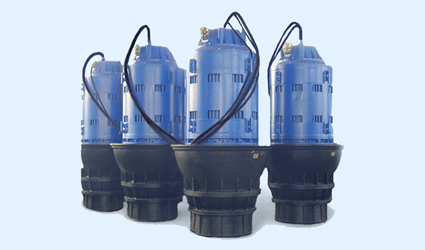
PRODUCTS
We adhere to independent innovation in science and technology and possess core technologies in the research and development, production and manufacturing of submersible pump products.
-

PROJECTS
Lanshen people are working hand in hand with friends from all walks of life to fulfill the corporate purpose of "creating a green environment and being responsible for the future", becoming the investment subject and partner of many projects, and constantly rewriting the history of China's water industry.
-

NEWS
Follow our updates in real time, from the known to the unknown, the exploration never stops
-
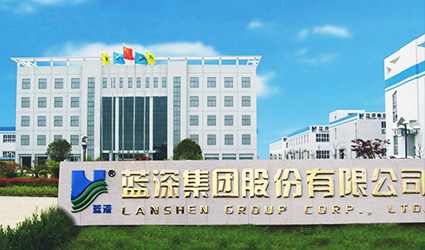
ABOUT
Founded in 1958, it is a national environmental protection enterprise and a high-tech enterprise. As a manufacturer of submersible sewage pumps and agitators

01
2025
-
05
Enhancing Wastewater Treatment Efficiency with Submersible Mixers
The primary function of a submersible mixer in wastewater treatment is to promote uniform mixing, preventing the settling of solids and facilitating the biological processes that occur during treatment. By keeping solids in suspension, these mixers enhance the efficiency of aeration and biological reactions, leading to improved removal of organic matter and better overall water quality.
One of the key advantages of submersible mixers is their energy efficiency. Unlike traditional surface mixers that require significant power to circulate water, submersible mixers utilize a design that allows them to operate effectively at lower energy levels. This not only reduces operational costs but also minimizes the environmental footprint of wastewater treatment facilities.
Moreover, submersible mixers are designed for durability and reliability. Constructed from corrosion-resistant materials, they can withstand harsh conditions and are less prone to wear and tear compared to their surface counterparts. This longevity translates into lower maintenance costs and reduced downtime, making them a preferred choice in many wastewater treatment applications.
In terms of installation, submersible mixers offer flexibility. They can be easily deployed in various tank configurations, whether in aeration basins, digesters, or equalization tanks. Their compact design allows for hassle-free integration into existing systems, enabling treatment facilities to upgrade or enhance their operations without extensive overhauls.
Additionally, submersible mixers can be equipped with variable speed drives, allowing operators to adjust mixing intensity according to specific treatment needs. This adaptability is particularly beneficial in handling varying wastewater characteristics, ensuring optimal performance under different conditions.
Furthermore, advancements in technology have led to the development of smart submersible mixers that provide real-time monitoring and data analytics. These features empower operators to make informed decisions regarding mixing strategies, leading to further improvements in efficiency and effectiveness.
In conclusion, submersible mixers are a vital asset for wastewater treatment facilities, contributing to enhanced mixing, energy efficiency, and operational reliability. Their ability to maintain optimal conditions for biological processes makes them indispensable in achieving high-quality effluent standards. By investing in submersible mixing technology, wastewater treatment facilities can significantly improve their treatment processes and environmental compliance.
More information

Email: info@lanshengroup.com
Email:trade@lanshengroup.com
Tel:86-025-57507802/86-13814194132
Address: NO.305,East Xiongzhou Rd,Liuhe,Nanjing City,Jiangsu Province


Copyright©2024 Nanjing lanshen Pump Corp.LTD All rights reserved.