
-
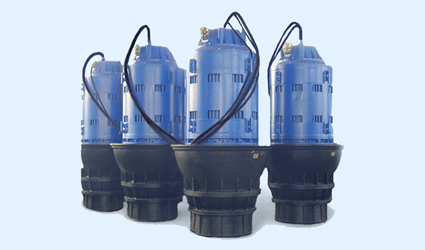
PRODUCTS
We adhere to independent innovation in science and technology and possess core technologies in the research and development, production and manufacturing of submersible pump products.
-

PROJECTS
Lanshen people are working hand in hand with friends from all walks of life to fulfill the corporate purpose of "creating a green environment and being responsible for the future", becoming the investment subject and partner of many projects, and constantly rewriting the history of China's water industry.
-

NEWS
Follow our updates in real time, from the known to the unknown, the exploration never stops
-
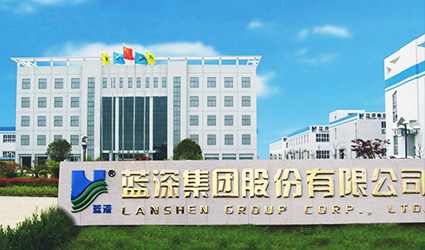
ABOUT
Founded in 1958, it is a national environmental protection enterprise and a high-tech enterprise. As a manufacturer of submersible sewage pumps and agitators

10
2025
-
05
Maximizing Performance: Essential Maintenance Tips for Submersible Axial Flow Pumps
Maximizing Performance: Essential Maintenance Tips for Submersible Axial Flow Pumps
Table of Contents
- Introduction to Submersible Axial Flow Pumps
- The Importance of Regular Maintenance
- Common Issues Affecting Performance
- Comprehensive Maintenance Tips
- Conducting Visual Inspections
- Checking Fluid Levels
- Cleaning Pump Components
- Testing Operating Conditions
- Monitoring Vibration Levels
- Proper Lubrication Procedures
- When to Call Professionals
- Frequently Asked Questions
- Conclusion
Introduction to Submersible Axial Flow Pumps
Submersible axial flow pumps are critical components in various industrial applications, particularly in water management, sewage treatment, and irrigation systems. These pumps offer high flow rates and efficient operation in submerged conditions, making them ideal for moving large volumes of water or other fluids. However, to maintain their peak performance, regular maintenance is essential.
In this article, we will explore the best maintenance practices to ensure your submersible axial flow pumps operate efficiently and effectively. By following these guidelines, you can significantly reduce downtime, prevent costly repairs, and enhance the overall lifespan of your equipment.
The Importance of Regular Maintenance
Regular maintenance of submersible axial flow pumps is crucial for several reasons:
1. **Enhanced Efficiency**: Well-maintained pumps operate at optimal performance levels, ensuring maximum efficiency and reducing energy consumption.
2. **Extended Lifespan**: Routine inspections and maintenance can significantly increase the lifespan of your pumps, allowing for a better return on investment.
3. **Reduced Downtime**: Scheduled maintenance helps identify potential issues before they lead to major breakdowns, minimizing downtime during critical operations.
4. **Cost Savings**: Preventive maintenance is generally more cost-effective than reactive repairs. By addressing minor issues early, you can avoid significant repair costs later on.
Common Issues Affecting Performance
Understanding the common issues that can affect submersible axial flow pumps is vital to effective maintenance. Some of these issues include:
- **Clogged Impellers**: Debris and sediment can accumulate in the pump, impeding flow and efficiency.
- **Seal Failures**: Worn or damaged seals can lead to leaks and loss of prime, affecting performance.
- **Electrical Failures**: Issues with electrical components can disrupt pump operation.
- **Vibration Problems**: Excessive vibration can indicate misalignment or wear, leading to further mechanical issues.
- **Corrosion and Wear**: Environmental factors can lead to corrosion, while wear and tear can reduce the pump's effectiveness.
Comprehensive Maintenance Tips
Maintaining submersible axial flow pumps involves several key practices. Here are some detailed maintenance tips to help you keep your pumps in top condition:
Conducting Visual Inspections
Regular visual inspections are the foundation of good maintenance practices. During these inspections, look for:
- Signs of wear and tear on the pump housing and components.
- Leaks around seals and fittings.
- Any unusual noises during operation, which may indicate mechanical issues.
- Corrosion or rust on metallic parts.
Schedule visual inspections at least once a month, and more frequently during peak operation periods.
Checking Fluid Levels
Ensure that the fluid level in the well or sump is appropriate for the pump. Low fluid levels can lead to overheating and cavitation, while excessively high levels can increase resistance. Regularly check fluid levels and adjust as necessary.
Cleaning Pump Components
Keeping pump components clean is essential for optimal performance. This includes:
- **Removing Debris**: Clear any debris or sediment that accumulates around the pump's intake and impeller.
- **Cleaning Filters**: If your pump has filters, clean or replace them regularly to ensure proper fluid flow.
Implement a cleaning schedule based on the operating environment. For example, pumps used in dirty water applications may require more frequent cleaning.
Testing Operating Conditions
Regularly test the operating conditions of your submersible axial flow pump. This includes checking:
- **Flow Rate**: Measure the flow rate to ensure it meets the manufacturer’s specifications.
- **Head Pressure**: Ensure that the head pressure is within acceptable limits for your specific application.
- **Temperature**: Monitor the temperature of the fluid being pumped, as excessive heat can lead to equipment failure.
Monitoring Vibration Levels
Excessive vibration can indicate underlying problems such as misalignment or imbalance. Use a vibration analysis tool to monitor the vibration levels of your pump regularly. If vibrations exceed recommended limits, investigate potential causes and perform necessary repairs.
Proper Lubrication Procedures
Lubrication is critical for the moving parts of submersible axial flow pumps. Follow these guidelines for proper lubrication:
- **Use the Right Lubricant**: Always use lubricants recommended by the manufacturer.
- **Regular Lubrication Schedule**: Establish a lubrication schedule based on operating hours, and ensure that all moving parts are adequately lubricated to prevent wear.
When to Call Professionals
While regular maintenance can prevent many issues, some situations may require professional intervention. Consider calling in experts if:
- You notice persistent vibration or abnormal noises.
- There are significant leaks that cannot be resolved through standard maintenance.
- Electrical components fail or show signs of degradation.
- You are unsure about the cause of a problem or how to fix it.
Professional technicians can provide a thorough diagnosis and implement solutions that may be beyond your expertise.
Frequently Asked Questions
1. How often should I perform maintenance on my submersible axial flow pump?
We recommend conducting visual inspections and basic maintenance at least once a month. More thorough inspections should be done quarterly or biannually, depending on the pump's operating conditions.
2. What are the signs that my pump needs maintenance?
Common signs include unusual noises, vibrations, leaks, reduced flow rates, and overheating. Addressing these issues promptly can prevent further damage.
3. Can I clean the pump myself, or should I hire a professional?
Basic cleaning can often be done in-house; however, for more extensive maintenance, especially involving electrical components, hiring professionals is advised.
4. What type of lubricant should I use for my pump?
Always refer to the manufacturer’s specifications for the type of lubricant that is suitable for your specific model. Using the wrong lubricant can cause significant damage.
5. How do I know if my pump is operating efficiently?
Monitoring flow rates, head pressure, and energy consumption can help determine if your pump is operating efficiently. If any of these metrics are out of the ordinary, it may be time for maintenance.
Conclusion
Maintaining submersible axial flow pumps is not just about keeping the pumps running; it's about ensuring that they operate at maximum efficiency and longevity. By following the comprehensive maintenance tips outlined in this article, you can significantly extend the life of your pumps, minimize unexpected failures, and optimize their performance.
Regular inspections, cleaning, and proper lubrication are essential to keeping your equipment in top condition. Remember that while routine maintenance can resolve many issues, some situations may require professional assistance. Prioritize the health of your submersible axial flow pumps to achieve consistent performance in your operations.
More information

Email: info@lanshengroup.com
Email:trade@lanshengroup.com
Tel:86-025-57507802/86-13814194132
Address: NO.305,East Xiongzhou Rd,Liuhe,Nanjing City,Jiangsu Province


Copyright©2024 Nanjing lanshen Pump Corp.LTD All rights reserved.