
-
PRODUCTS
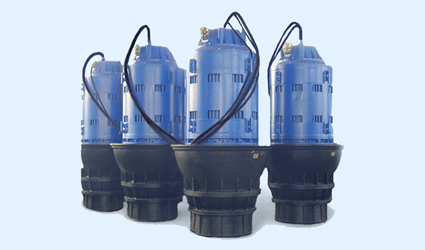
We adhere to independent innovation in science and technology and possess core technologies in the research and development, production and manufacturing of submersible pump products.
-

PROJECTS
Lanshen people are working hand in hand with friends from all walks of life to fulfill the corporate purpose of "creating a green environment and being responsible for the future", becoming the investment subject and partner of many projects, and constantly rewriting the history of China's water industry.
-

NEWS
Follow our updates in real time, from the known to the unknown, the exploration never stops
-
ABOUT
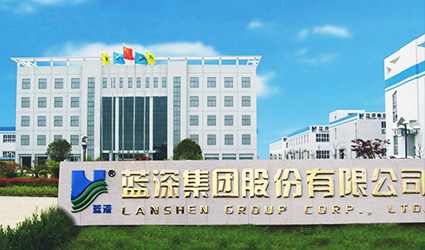
Founded in 1958, it is a national environmental protection enterprise and a high-tech enterprise. As a manufacturer of submersible sewage pumps and agitators

16
2025
-
05
Exploring Cutting-Edge Submersible Mixer Technology in Wastewater Treatment Systems
Exploring Cutting-Edge Submersible Mixer Technology in Wastewater Treatment Systems
Table of Contents
- 1. Introduction to Submersible Mixers
- 2. The Importance of Mixing in Wastewater Treatment
- 3. How Submersible Mixers Work
- 4. Types of Submersible Mixers
- 5. Benefits of Submersible Mixers in Wastewater Systems
- 6. Applications in Various Wastewater Treatment Processes
- 7. Maintenance and Care of Submersible Mixers
- 8. The Future of Submersible Mixer Technology
- 9. Conclusion
- 10. Frequently Asked Questions
1. Introduction to Submersible Mixers
Submersible mixers play a vital role in modern wastewater treatment facilities by promoting efficient mixing and aeration. These devices are designed to be submerged in liquid, ensuring optimal performance while minimizing operational space. Understanding the technology behind submersible mixers offers insights into their significance in maintaining efficient wastewater management systems.
2. The Importance of Mixing in Wastewater Treatment
Effective mixing in wastewater treatment is crucial for numerous reasons:
- **Uniform Distribution of Chemicals**: Proper mixing ensures that chemicals such as coagulants and disinfectants are evenly distributed throughout the wastewater, enhancing their effectiveness.
- **Prevention of Settling**: Without adequate mixing, solids can settle at the bottom of tanks, leading to reduced treatment efficiency and potential operational challenges.
- **Enhanced Biological Activity**: Aerobic bacteria thrive in well-mixed environments, contributing to the decomposition of organic matter and improving overall treatment performance.
3. How Submersible Mixers Work
Submersible mixers function through an electric motor that drives an impeller. When submerged, the impeller generates a flow of liquid, creating turbulence that facilitates mixing. The design of the impeller and the motor's rotational speed are tailored to achieve the desired flow pattern and mixing efficiency.
By placing the mixer at strategic locations within the treatment process—such as aeration basins, digesters, and equalization tanks—operators can significantly enhance the treatment process.
4. Types of Submersible Mixers
Understanding the different types of submersible mixers is integral to selecting the right equipment for specific applications.
4.1 Vertical Submersible Mixers
Vertical submersible mixers are characterized by their vertical installation, which allows for efficient mixing without occupying excessive surface area. They are particularly beneficial in deep tanks and are designed for heavy-duty operations, often found in municipal and industrial wastewater treatment plants.
4.2 Horizontal Submersible Mixers
Horizontal submersible mixers are installed at a horizontal angle, providing targeted mixing in shallow tanks. These mixers are ideal for applications where a lower profile is required and are typically used for tasks such as equalization and in smaller treatment facilities.
5. Benefits of Submersible Mixers in Wastewater Systems
Submersible mixers offer numerous advantages that enhance the efficiency and effectiveness of wastewater treatment systems:
- **Space Efficiency**: Their compact design allows for installation in tight spaces, making them suitable for facilities with limited footprint.
- **Energy Efficiency**: Modern submersible mixers are engineered to use minimal energy while delivering maximum performance, resulting in cost savings for operators.
- **Reduced Noise**: Being submerged in liquid significantly reduces noise levels compared to surface-mounted mixers, improving working conditions for staff.
- **Easy Installation and Maintenance**: Submersible mixers can be installed quickly and require less maintenance due to their robust design and fewer moving parts exposed to air.
6. Applications in Various Wastewater Treatment Processes
Submersible mixers are versatile tools applicable in various stages of wastewater treatment processes:
- **Aeration Tanks**: They enhance oxygen transfer efficiency by promoting mixing and preventing stratification.
- **Sedimentation Tanks**: In sedimentation processes, mixers help keep solids in suspension, preventing settling and promoting better separation.
- **Digestion Tanks**: They facilitate the breakdown of organic matter in anaerobic digestion, optimizing biogas production.
- **Equalization Basins**: In these basins, submersible mixers maintain uniform flow and composition, allowing for consistent treatment performance.
7. Maintenance and Care of Submersible Mixers
Regular maintenance of submersible mixers is essential to ensure long-term functionality and efficiency. Here are key maintenance tips:
- **Routine Inspections**: Regularly check for wear and tear on the impeller and seals to prevent leaks and mechanical failures.
- **Cleaning**: Ensure that the mixer is free from debris and buildup, as this can impede performance.
- **Lubrication**: Keep the motor and bearings properly lubricated according to the manufacturer's specifications to avoid overheating and wear.
- **Monitoring Electrical Connections**: Periodically inspecting electrical connections can prevent malfunction and ensure reliable operation.
8. The Future of Submersible Mixer Technology
As technology advances, submersible mixers are evolving to incorporate smart features that enhance their performance and efficiency. Innovations such as real-time monitoring systems, remote operation capabilities, and integration with IoT devices are making it possible to optimize mixing operations dynamically. Additionally, with growing environmental awareness, manufacturers are focusing on sustainable materials and energy-efficient designs, which will shape the future of wastewater treatment.
9. Conclusion
Submersible mixers represent a critical component of modern wastewater treatment systems, providing essential mixing and aeration that drive efficiency in treatment processes. Their advanced technology, coupled with their space-saving designs and energy efficiency, makes them indispensable in the quest for improved wastewater management. As we look to the future, continued innovation in submersible mixer technology will undoubtedly lead to more sustainable practices and enhanced operational capabilities within the industry.
10. Frequently Asked Questions
What is the primary function of a submersible mixer in wastewater treatment?
The primary function of a submersible mixer is to promote efficient mixing and aeration in wastewater, ensuring uniform distribution of chemicals and preventing sedimentation.
How do I choose the right submersible mixer for my facility?
When selecting a submersible mixer, consider factors such as tank depth, volume of wastewater, required mixing intensity, and specific application needs.
What maintenance is required for submersible mixers?
Regular maintenance includes inspecting for wear and tear, cleaning to prevent debris buildup, lubricating moving parts, and monitoring electrical connections.
Are submersible mixers energy-efficient?
Yes, modern submersible mixers are designed to be energy-efficient, providing maximum performance while minimizing energy consumption.
What are the advantages of using vertical submersible mixers over horizontal mixers?
Vertical submersible mixers are space-efficient and ideal for deep tanks, while horizontal mixers are better suited for shallow applications requiring lower profiles.
By understanding the technology behind submersible mixers, industry professionals can make informed decisions that enhance the efficiency and sustainability of wastewater treatment processes.
More information

Email: info@lanshengroup.com
Email:trade@lanshengroup.com
Tel:86-025-57507802/86-13814194132
Address: NO.305,East Xiongzhou Rd,Liuhe,Nanjing City,Jiangsu Province


Copyright©2024 Nanjing lanshen Pump Corp.LTD All rights reserved.