
-
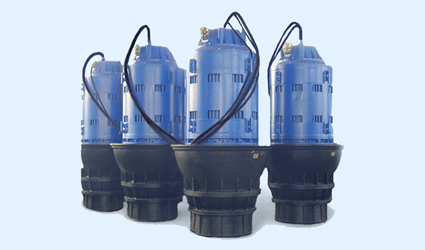
PRODUCTS
We adhere to independent innovation in science and technology and possess core technologies in the research and development, production and manufacturing of submersible pump products.
-

PROJECTS
Lanshen people are working hand in hand with friends from all walks of life to fulfill the corporate purpose of "creating a green environment and being responsible for the future", becoming the investment subject and partner of many projects, and constantly rewriting the history of China's water industry.
-

NEWS
Follow our updates in real time, from the known to the unknown, the exploration never stops
-
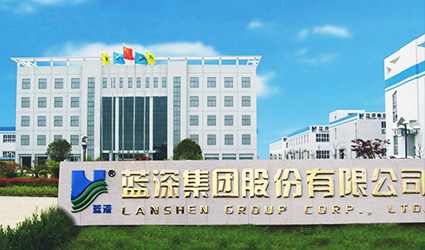
ABOUT
Founded in 1958, it is a national environmental protection enterprise and a high-tech enterprise. As a manufacturer of submersible sewage pumps and agitators

25
2025
-
05
Understanding Submersible Axial Flow Pump Spots: Key Considerations for Optimal Performance
One of the key considerations when choosing submersible axial flow pump spots is the water depth. The pump must be installed at an appropriate depth to ensure optimal operation, avoiding cavitation and ensuring that the pump can adequately draw in fluid. It’s crucial to assess the site’s topography and water levels to select the right spot, which will help prevent issues such as air entrapment that can diminish efficiency.
Additionally, the quality of the fluid being pumped should be taken into account. Submersible axial flow pumps are highly effective for clean water applications; however, if the water contains sediment or other particulates, it may lead to wear and tear on the pump components. Therefore, evaluating the fluid characteristics and ensuring proper filtration at the pump's inlet can enhance performance and extend the pump's lifespan.
The surrounding environment is another vital factor. Ensure that the installation area is free from obstructions and that the pump is easily accessible for maintenance and service. Factors like temperature, pH, and chemical composition of the water can also impact pump performance, necessitating a careful analysis of the environment where the pump will operate.
Regular maintenance is essential to ensure that submersible axial flow pumps continue to operate efficiently. Establishing a routine maintenance schedule that includes checking for wear on components, ensuring proper lubrication, and testing electrical connections can prevent unexpected downtimes. It's important to monitor the pump's performance continuously to identify any operational irregularities early on.
Furthermore, understanding the flow dynamics and hydraulic conditions at the chosen installation spot can significantly impact the efficiency of the system. Analyzing these aspects can help in determining the required pump size and configuration, ensuring that the selected pump can meet the specific needs of the application.
In conclusion, the effectiveness of submersible axial flow pumps is highly dependent on the selection of appropriate installation spots and environmental considerations. By focusing on factors such as water depth, fluid quality, and maintenance, operators can significantly enhance the performance and reliability of these essential industrial pumps.
More information

Email: info@lanshengroup.com
Email:trade@lanshengroup.com
Tel:86-025-57507802/86-13814194132
Address: NO.305,East Xiongzhou Rd,Liuhe,Nanjing City,Jiangsu Province


Copyright©2024 Nanjing lanshen Pump Corp.LTD All rights reserved.