
-
PRODUCTS
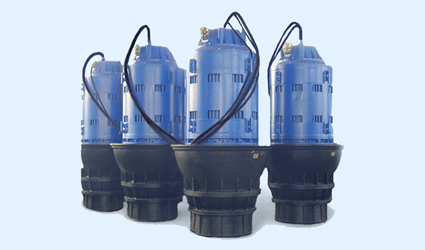
We adhere to independent innovation in science and technology and possess core technologies in the research and development, production and manufacturing of submersible pump products.
-

PROJECTS
Lanshen people are working hand in hand with friends from all walks of life to fulfill the corporate purpose of "creating a green environment and being responsible for the future", becoming the investment subject and partner of many projects, and constantly rewriting the history of China's water industry.
-

NEWS
Follow our updates in real time, from the known to the unknown, the exploration never stops
-

ABOUT
Founded in 1958, it is a national environmental protection enterprise and a high-tech enterprise. As a manufacturer of submersible sewage pumps and agitators

28
2025
-
05
Why Single Vane Impeller Design Matters in Sewage Pump Applications
Why Single Vane Impeller Design Matters in Sewage Pump Applications
Understanding the Basics of Sewage Pumps
Sewage pumps are essential components in wastewater management systems. They are designed to move sewage and wastewater from lower to higher elevations, often crucial in residential, commercial, and industrial applications. The efficiency and reliability of sewage pumps significantly depend on their design, particularly the impeller. Among the various designs available, the **single vane impeller** has gained recognition for its specific advantages.
The Role of Impellers in Sewage Pumps
The impeller is the heart of a sewage pump. It converts mechanical energy from the motor into hydraulic energy, facilitating the movement of wastewater. The design of the impeller directly influences the pump's efficiency, flow rate, and overall performance. In sewage applications, where the medium can be abrasive and contain varying solid particles, choosing the right impeller design becomes critical.
What is a Single Vane Impeller?
A single vane impeller features one blade that extends from the center hub to the outer rim. This design contrasts with multi-vane impellers, which have several blades. The simplicity of the single vane design creates specific benefits that make it particularly suitable for sewage applications.
Advantages of Single Vane Impeller Design
1. Enhanced Flow Capacity
Single vane impellers are known for their superior flow capacity. Their streamlined design allows for a smoother passage of wastewater, reducing turbulence and back pressure. In sewage applications, where solids and fibrous materials are often present, this capability facilitates consistent flow, minimizing clogs and interruptions in operation.
2. Reduced Wear and Maintenance
The robust nature of single vane designs leads to less wear over time. The fewer moving parts and the streamlined structure mean that these impellers are less susceptible to damage from abrasive materials commonly found in sewage. As a result, they require less frequent maintenance, reducing operational costs and downtime.
3. Energy Efficiency
Energy consumption is a critical factor in the operational costs of sewage pumps. Single vane impellers enable more efficient hydraulic performance, requiring less energy to move the same volume of wastewater compared to multi-vane designs. This efficiency can lead to significant savings, especially in large-scale operations.
4. Improved Solids Handling
One of the most significant challenges in sewage pumping is the presence of solid waste. Single vane impellers excel in handling solids, thanks to their design, which minimizes the risk of clogging. The wide passage created by the single blade allows larger solids to pass through without obstruction, enhancing the pump's reliability.
5. Extended Lifespan
When it comes to sewage pumps, durability is paramount. The single vane impeller's ability to withstand harsh operating conditions contributes to an extended lifespan of the pump. This durability translates to lower replacement costs and minimizes disruptions in sewage management operations.
Applications of Single Vane Impeller Sewage Pumps
Single vane impeller designs are versatile and find application in various sectors, including:
Residential Wastewater Systems
In residential settings, sewage pumps with single vane impellers are ideal for moving wastewater from basements or lower levels to the municipal sewer system. Their efficiency and reliability ensure that homes remain safe from sewage backups.
Commercial Wastewater Management
Businesses, especially those in hospitality and foodservice, generate significant wastewater with solid waste. Single vane impeller pumps provide the necessary flow capacity to handle these demands, ensuring efficient operation.
Industrial Applications
Industries producing heavy wastewater, such as manufacturing and chemical processing, benefit from the robust performance of single vane impeller sewage pumps. The ability to handle abrasive materials and large solids makes them a popular choice in these applications.
Installation and Maintenance of Single Vane Impeller Pumps
Proper installation and maintenance are crucial for the optimal performance of sewage pumps. Here are some best practices to ensure longevity and efficiency:
1. Site Assessment
Before installation, conduct a thorough assessment of the site to determine the best location for the pump. Consider factors such as elevation, distance to discharge points, and space for maintenance access.
2. Regular Inspections
Schedule regular inspections of the pump and its components to identify any signs of wear or damage early. Addressing these issues promptly can prevent costly repairs or replacements.
3. Cleaning and Flushing
Periodically clean and flush the pump to remove any debris or materials that may accumulate over time. This maintenance step is crucial for preventing clogs and ensuring smooth operation.
4. Monitor Performance
Keep an eye on the pump's performance metrics, such as flow rate and energy consumption. Any significant deviations from normal performance may indicate underlying issues that require immediate attention.
Challenges and Considerations in Sewage Pump Selection
While single vane impeller pumps offer many advantages, it's essential to consider specific challenges associated with sewage pump selection:
1. Pump Sizing
Choosing the correct size of the pump is critical for optimal performance. An undersized pump may struggle to handle peak flow rates, while an oversized pump can lead to inefficiencies and increased wear.
2. Material Compatibility
Sewage pumps are exposed to corrosive and abrasive materials. It’s vital to select materials that can withstand these conditions, ensuring the longevity of the pump.
3. Noise and Vibration
Sewage pumps can generate noise and vibrations during operation. Selecting a pump with features that minimize these factors can enhance the overall user experience and reduce complaints in residential settings.
FAQs about Single Vane Impeller Design in Sewage Pumps
1. What is the difference between single vane and multi-vane impellers?
Single vane impellers have one blade, while multi-vane impellers have several blades. Single vane designs tend to offer higher flow capacities and are better at handling solids.
2. Can single vane impellers handle large solids effectively?
Yes, the design of single vane impellers allows them to handle larger solids without clogging, making them suitable for sewage applications.
3. How do I maintain a sewage pump with a single vane impeller?
Regular inspections, cleaning, and monitoring performance are crucial for maintaining a sewage pump. Address any signs of wear or damage promptly.
4. What are the energy-saving benefits of single vane impellers?
Single vane impellers require less energy to move the same volume of wastewater compared to other designs, leading to lower operational costs.
5. Are single vane impeller sewage pumps suitable for industrial applications?
Yes, their durability and ability to handle abrasive materials make single vane impeller sewage pumps an excellent choice for industrial applications.
Conclusion
The choice of impeller design significantly impacts the performance and reliability of sewage pumps. **Single vane impeller design** stands out with its enhanced flow capacity, reduced wear and maintenance, energy efficiency, and improved solids handling capabilities. These advantages ensure that sewage pumps can operate effectively in various environments, from residential to industrial applications. As wastewater management continues to evolve, the single vane impeller remains a critical component in delivering efficient and reliable sewage pumping solutions.
More information

Email: info@lanshengroup.com
Email:trade@lanshengroup.com
Tel:86-025-57507802/86-13814194132
Address: NO.305,East Xiongzhou Rd,Liuhe,Nanjing City,Jiangsu Province


Copyright©2024 Nanjing lanshen Pump Corp.LTD All rights reserved.