
-
PRODUCTS
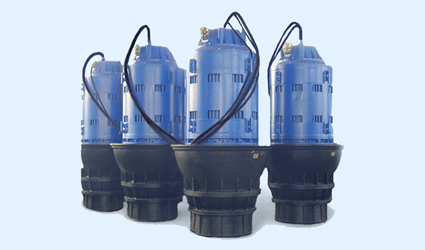
We adhere to independent innovation in science and technology and possess core technologies in the research and development, production and manufacturing of submersible pump products.
-

PROJECTS
Lanshen people are working hand in hand with friends from all walks of life to fulfill the corporate purpose of "creating a green environment and being responsible for the future", becoming the investment subject and partner of many projects, and constantly rewriting the history of China's water industry.
-

NEWS
Follow our updates in real time, from the known to the unknown, the exploration never stops
-
ABOUT
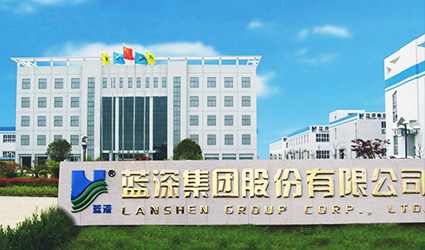
Founded in 1958, it is a national environmental protection enterprise and a high-tech enterprise. As a manufacturer of submersible sewage pumps and agitators

03
2025
-
06
Understanding the Functionality of Submersible Grinder Impeller Pumps: The Ultimate Guide
Understanding the Functionality of Submersible Grinder Impeller Pumps
Table of Contents
- 1. Introduction to Submersible Grinder Impeller Pumps
- 2. What Are Submersible Grinder Impeller Pumps?
- 3. How Do Submersible Grinder Impeller Pumps Work?
- 4. Key Components of Submersible Grinder Impeller Pumps
- 5. Advantages of Using Submersible Grinder Impeller Pumps
- 6. Common Applications of Submersible Grinder Impeller Pumps
- 7. Maintenance Tips for Submersible Grinder Impeller Pumps
- 8. Frequently Asked Questions
- 9. Conclusion
1. Introduction to Submersible Grinder Impeller Pumps
Submersible grinder impeller pumps are specialized devices designed to handle the challenges posed by difficult wastewater and sludge systems. Unlike traditional pumps, these units are submerged in the liquid they are pumping, allowing them to efficiently manage both solids and liquids. This functionality is crucial in various settings, particularly in industrial and municipal applications where waste management is paramount.
2. What Are Submersible Grinder Impeller Pumps?
Submersible grinder impeller pumps are a type of centrifugal pump equipped with a grinding mechanism. This unique design allows them to cut and grind solid waste materials into smaller particles before pumping them away. They are typically used in environments where the fluid being pumped contains solids too large for conventional pumps, making them an essential tool for many industries.
2.1 The Role of the Grinder Mechanism
The grinder mechanism consists of sharp blades that rotate at high speeds, effectively shredding solids such as plastics, food waste, and other debris into manageable sizes. This pre-processing step significantly reduces the risk of clogs and enables the pump to operate at peak efficiency, providing a reliable solution for challenging pumping applications.
3. How Do Submersible Grinder Impeller Pumps Work?
The operation of submersible grinder impeller pumps is straightforward yet highly effective. When the pump is submerged in the liquid, the motor spins the impeller, generating centrifugal force. This force creates a low-pressure area that draws fluid into the pump. As the impeller spins, the grinding mechanism engages, chopping solids before they are pumped out through the discharge pipe.
3.1 The Pumping Cycle
1. **Submersion**: The pump sits below the surface of the liquid, typically in a pit or tank.
2. **Fluid Intake**: The impeller draws fluid into the pump through the inlet.
3. **Grinding Process**: As the impeller spins, the solids are ground into smaller particles.
4. **Discharge**: The processed liquid flows out through the discharge outlet, ready to be transported to treatment facilities or disposal systems.
4. Key Components of Submersible Grinder Impeller Pumps
Understanding the key components of submersible grinder impeller pumps is essential for both operation and maintenance. Here’s a closer look at the primary parts:
4.1 Impeller
The impeller is the heart of the pump, responsible for creating the flow of liquid. In grinder pumps, the impeller also features integrated blades for grinding solids.
4.2 Grinder Blades
These sharp edges are designed to shred solid waste into smaller pieces, preventing clogs and ensuring smooth operation.
4.3 Motor
The motor powers the impeller and grinder, typically submerged and sealed to prevent water ingress.
4.4 Housing
The housing encases all components and is designed to withstand harsh conditions, including corrosive environments.
5. Advantages of Using Submersible Grinder Impeller Pumps
Submersible grinder impeller pumps offer numerous advantages, making them a preferred choice in many industrial applications.
5.1 Space Efficiency
Since these pumps operate submerged, they require less surface space than traditional pumps, making them ideal for installations with limited room.
5.2 Reduced Clogging
The grinding mechanism effectively reduces the size of solids, significantly minimizing the risk of clogs in the pumping system.
5.3 Versatility
These pumps can handle a variety of fluids, including sewage, industrial waste, and even some types of slurry, making them versatile tools for many applications.
5.4 Lower Energy Costs
By efficiently managing solids, submersible grinder impeller pumps can lead to reduced energy consumption, translating to lower operational costs over time.
6. Common Applications of Submersible Grinder Impeller Pumps
Submersible grinder impeller pumps are utilized in a wide range of applications, including:
6.1 Wastewater Treatment Facilities
These pumps are essential in wastewater treatment plants, where they manage solids and prevent clogs in the system.
6.2 Industrial Manufacturing
In manufacturing settings, submersible pumps are used to handle liquid waste, ensuring smooth operations and compliance with environmental regulations.
6.3 Residential Applications
Homeowners may also use submersible grinder pumps in septic systems or sump pits, providing effective waste management solutions.
6.4 Agricultural Use
In agriculture, these pumps can manage slurry and other liquid waste generated by livestock operations, promoting efficient waste handling.
7. Maintenance Tips for Submersible Grinder Impeller Pumps
Proper maintenance is crucial to ensure the longevity and efficiency of submersible grinder impeller pumps. Here are some essential tips:
7.1 Regular Inspections
Conduct routine inspections to check for wear and tear on the impeller and grinder blades. Early detection of issues can prevent costly repairs.
7.2 Clean the Pump
Ensure that the pump is cleaned regularly to remove any debris that may accumulate on its exterior or within the housing.
7.3 Monitor Performance
Keep an eye on the pump’s performance, including flow rates and energy consumption. Any significant changes may indicate a need for maintenance or repair.
7.4 Lubrication
If applicable, ensure that the motor and other moving parts are adequately lubricated according to manufacturer specifications.
8. Frequently Asked Questions
8.1 What are the primary uses of submersible grinder impeller pumps?
Submersible grinder impeller pumps are primarily used in wastewater treatment, industrial applications, residential sewage systems, and agriculture.
8.2 How do I know if my pump needs maintenance?
Signs of needed maintenance include reduced flow rates, unusual noises, or visible wear on the impeller and grinder blades.
8.3 Can submersible grinder pumps handle solids?
Yes, these pumps are specifically designed to grind and pump solids, making them effective for handling challenging waste materials.
8.4 How long do submersible grinder impeller pumps last?
With proper maintenance, these pumps can last many years, often exceeding a decade of reliable operation.
8.5 Are there specific brands recommended for submersible grinder impeller pumps?
While many brands offer quality submersible grinder impeller pumps, it is essential to consider factors such as application needs and warranty options when choosing a brand.
9. Conclusion
In summary, submersible grinder impeller pumps are invaluable tools in the management of challenging waste materials across various industries. Their unique design and functionality allow them to operate efficiently in submerged environments, reducing the risk of clogs while managing solids effectively. Understanding their functionality, advantages, and maintenance requirements is essential for anyone involved in wastewater management or industrial operations. By investing in high-quality submersible grinder impeller pumps, you can enhance your waste handling processes and ensure a reliable, efficient operation for years to come.
More information

Email: info@lanshengroup.com
Email:trade@lanshengroup.com
Tel:86-025-57507802/86-13814194132
Address: NO.305,East Xiongzhou Rd,Liuhe,Nanjing City,Jiangsu Province


Copyright©2024 Nanjing lanshen Pump Corp.LTD All rights reserved.