
-
PRODUCTS
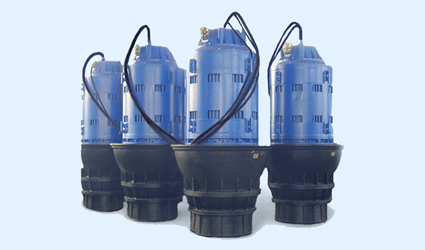
We adhere to independent innovation in science and technology and possess core technologies in the research and development, production and manufacturing of submersible pump products.
-

PROJECTS
Lanshen people are working hand in hand with friends from all walks of life to fulfill the corporate purpose of "creating a green environment and being responsible for the future", becoming the investment subject and partner of many projects, and constantly rewriting the history of China's water industry.
-

NEWS
Follow our updates in real time, from the known to the unknown, the exploration never stops
-
ABOUT
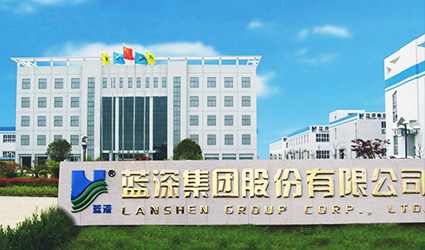
Founded in 1958, it is a national environmental protection enterprise and a high-tech enterprise. As a manufacturer of submersible sewage pumps and agitators

09
2025
-
06
Enhancing Fluid Movement: The Role of Submersible Axial Flow Pumps in Industrial Applications
How Submersible Axial Flow Pumps Enhance Fluid Movement in Industrial Settings
Table of Contents
- Introduction to Submersible Axial Flow Pumps
- Design and Operational Principles
- Benefits of Submersible Axial Flow Pumps
- Applications in Industrial Settings
- Comparison with Other Pump Types
- Maintenance and Care for Optimal Performance
- Common Issues and Solutions
- Future Trends in Fluid Movement Technology
- Conclusion
- FAQs
Introduction to Submersible Axial Flow Pumps
Submersible axial flow pumps are specifically designed for efficient fluid movement in various industrial applications. Unlike traditional pumps, these models operate submerged in the fluid they are pumping, allowing for unobtrusive operation and versatility in different environments. Their innovative design focuses on maximizing flow rates while minimizing energy consumption, making them indispensable for many industries.
In this article, we will explore the various facets of submersible axial flow pumps, including their design, benefits, applications, and maintenance. We aim to provide a comprehensive understanding of how these pumps can significantly enhance fluid movement in industrial settings.
Design and Operational Principles
Submersible axial flow pumps feature a unique design that distinguishes them from other pump types. The essential components include:
Impeller Design
The impeller is the heart of any pumping system. For submersible axial flow pumps, the impeller is designed to move fluids in a straight line, utilizing the axial force generated by the rotational motion. This design facilitates high flow rates and low pressure changes, making these pumps ideal for large volumes of fluid.
Motor and Drive Mechanism
Most submersible pumps are equipped with an electric motor integrated directly with the impeller. This setup minimizes mechanical losses and improves efficiency. Moreover, the motor is designed to operate efficiently even when submerged, ensuring reliable performance without overheating.
Sealing and Protection
To ensure longevity and durability, submersible axial flow pumps are constructed with high-quality materials that resist corrosion and degradation. Effective sealing mechanisms also prevent water ingress into the motor compartment, protecting the critical components from damage.
Benefits of Submersible Axial Flow Pumps
The advantages of submersible axial flow pumps are significant and can lead to enhanced operational efficiency in various industrial applications.
High Efficiency and Energy Savings
One of the primary benefits of these pumps is their efficiency. They are designed to operate at optimal levels, allowing for substantial energy savings compared to traditional pumps. The combination of low friction loss and high flow rates ensures that energy costs remain manageable.
Compact Design and Space-Saving
Submersible axial flow pumps have a compact design that facilitates easy installation in confined spaces. Their ability to operate underwater allows for efficient use of industrial space, making them a preferred choice in installations where surface space is limited.
Reduced Noise Levels
Since these pumps operate submerged, they generate significantly less noise compared to surface-mounted pumps. This feature is particularly advantageous in settings where noise pollution is a concern, such as residential areas or sensitive environments.
Versatility in Applications
These pumps can handle a wide range of fluids, including water, wastewater, and various chemicals. Their versatility allows for diverse applications across industries such as agriculture, construction, and manufacturing.
Applications in Industrial Settings
Submersible axial flow pumps are utilized in various industrial settings, enhancing fluid movement in each application.
Agricultural Irrigation
In agriculture, these pumps are widely used for irrigation purposes. Their ability to move large volumes of water efficiently makes them ideal for maintaining fields and crops. Submersible pumps can be employed in wells, reservoirs, or directly from rivers.
Mining Operations
Mining industries often use submersible axial flow pumps for dewatering applications. These pumps effectively remove excess water from mines, providing a safer working environment and enabling continuous operations.
Wastewater Management
In municipal wastewater treatment plants, submersible pumps are essential for moving wastewater through various treatment stages. Their robust design and efficiency ensure that wastewater is managed effectively and sustainably, leading to environmental benefits.
Industrial Manufacturing
Manufacturing facilities require effective fluid management for various processes, including cooling systems and material handling. Submersible axial flow pumps facilitate the movement of coolants and other fluids, ensuring optimal production efficiency.
Comparison with Other Pump Types
Understanding the unique advantages of submersible axial flow pumps is crucial when comparing them with other pump types.
Submersible vs. Centrifugal Pumps
While centrifugal pumps are widely used, submersible axial flow pumps provide higher flow rates with less energy consumption. Centrifugal pumps are typically more suited for high-pressure applications, while submersible pumps excel in high-flow, low-pressure scenarios.
Submersible vs. Positive Displacement Pumps
Positive displacement pumps are known for their ability to handle viscous fluids effectively. However, submersible axial flow pumps can move larger volumes of non-viscous fluids more efficiently, making them more suitable for applications that require high throughput.
Maintenance and Care for Optimal Performance
To ensure that submersible axial flow pumps operate at peak efficiency, proper maintenance is essential.
Regular Inspections
Routine inspections can help identify potential issues before they escalate. Check for signs of wear and tear, such as corrosion or mechanical damage, to prevent unexpected downtime.
Cleaning and Debris Removal
Debris can accumulate in and around the pump, affecting its performance. Regular cleaning is necessary to maintain optimal flow rates and prevent clogging.
Lubrication and Component Checks
Ensure that moving parts are properly lubricated to reduce friction and wear. Regularly check seals and bearings for signs of deterioration and replace them as needed.
Common Issues and Solutions
Even the most reliable equipment can face challenges. Understanding common issues and their solutions can save time and costs.
Overheating
Overheating can occur if the pump is run without adequate fluid or if there are blockages. Regular monitoring and ensuring that the pump operates within specified parameters can mitigate this issue.
Vibration Problems
Excessive vibration can indicate misalignment or mechanical failure. Addressing alignment issues promptly can prevent further damage and maintain the pump's efficiency.
Future Trends in Fluid Movement Technology
The field of fluid movement technology is constantly evolving. Innovations in materials, automation, and energy efficiency are shaping the future of submersible axial flow pumps.
Smart Pump Technologies
Integrating IoT (Internet of Things) technology into pumps can provide real-time monitoring and analytics, allowing for predictive maintenance and enhanced operational efficiency.
Environmentally Friendly Solutions
As industries strive for sustainability, the demand for energy-efficient and low-impact pumps is increasing. Future designs will likely focus on reducing environmental footprints while maintaining high performance.
Conclusion
Submersible axial flow pumps play a pivotal role in enhancing fluid movement across various industrial applications. Their efficient design, energy savings, and versatility make them an invaluable asset in sectors ranging from agriculture to wastewater management. By understanding their operational principles, benefits, and maintenance requirements, industries can optimize their use and remain competitive in an ever-evolving market.
FAQs
1. What is the primary function of a submersible axial flow pump?
The primary function of a submersible axial flow pump is to efficiently move fluids in a straight line while submerged, making it suitable for high-flow, low-pressure applications.
2. How do submersible axial flow pumps differ from centrifugal pumps?
Unlike centrifugal pumps, which excel in high-pressure scenarios, submersible axial flow pumps are designed for high flow rates and low pressure, making them ideal for large volume fluid movement.
3. What industries benefit from using submersible axial flow pumps?
Industries such as agriculture, mining, wastewater management, and manufacturing benefit significantly from the use of submersible axial flow pumps due to their efficiency and versatility.
4. How can I ensure the longevity of my submersible axial flow pump?
Regular inspections, appropriate maintenance, and timely cleaning are crucial for ensuring the longevity and optimal performance of your submersible axial flow pump.
5. What are some common problems associated with submersible axial flow pumps?
Common problems include overheating, vibration issues, and debris accumulation, all of which can be mitigated through regular maintenance and monitoring.
More information

Email: info@lanshengroup.com
Email:trade@lanshengroup.com
Tel:86-025-57507802/86-13814194132
Address: NO.305,East Xiongzhou Rd,Liuhe,Nanjing City,Jiangsu Province


Copyright©2024 Nanjing lanshen Pump Corp.LTD All rights reserved.