
-
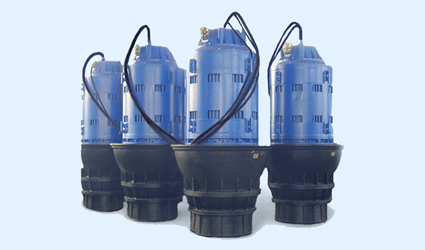
PRODUCTS
We adhere to independent innovation in science and technology and possess core technologies in the research and development, production and manufacturing of submersible pump products.
-

PROJECTS
Lanshen people are working hand in hand with friends from all walks of life to fulfill the corporate purpose of "creating a green environment and being responsible for the future", becoming the investment subject and partner of many projects, and constantly rewriting the history of China's water industry.
-

NEWS
Follow our updates in real time, from the known to the unknown, the exploration never stops
-
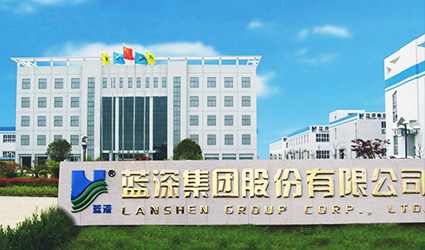
ABOUT
Founded in 1958, it is a national environmental protection enterprise and a high-tech enterprise. As a manufacturer of submersible sewage pumps and agitators

07
2025
-
07
Why Choose a Submersible Mixed Flow Pump for Your Industrial Needs?
Why Choose a Submersible Mixed Flow Pump for Your Industrial Needs?
Understanding Submersible Mixed Flow Pumps
Submersible mixed flow pumps are specialized pumps designed to operate within a liquid environment. Unlike traditional centrifugal pumps that draw liquid in and push it out, these pumps are submerged in the liquid they are pumping. Their mixed flow design allows them to move liquid both vertically and horizontally, offering unique advantages for various industrial applications.
What Sets Submersible Mixed Flow Pumps Apart?
The **submersible mixed flow pump** combines features of both centrifugal and axial flow pumps. This design enables the pump to overcome the water levels and maintain a high flow rate, making it suitable for diverse applications. The mixed flow impeller, situated within the pump housing, efficiently transfers energy to the liquid, allowing for improved performance in various environments.
Key Features of Submersible Mixed Flow Pumps
1. **Compact Design**: The submersible nature of this pump allows for a space-saving design, which is ideal for facilities with limited space.
2. **Energy Efficiency**: These pumps are designed for optimal energy consumption, helping to reduce operational costs.
3. **Versatile Operation**: They can handle various fluids, including those with solid particles, which makes them suitable for wastewater and industrial applications.
4. **Durability**: Constructed from robust materials, submersible mixed flow pumps are built to withstand harsh conditions, ensuring longevity.
Applications of Submersible Mixed Flow Pumps
Submersible mixed flow pumps find extensive use across a variety of industries, thanks to their versatility and efficiency.
1. Wastewater Management
In wastewater treatment facilities, these pumps are critical for transporting effluent and sewage. Their ability to handle solids and mixed liquids makes them perfect for this application.
2. Mining and Quarrying
In mining operations, submersible mixed flow pumps are employed to dewater mines or quarries. Their robust design allows them to handle abrasive materials without compromising performance.
3. Agriculture and Irrigation
Farmers utilize these pumps for irrigation systems to deliver water efficiently to crops, ensuring optimal growth conditions.
4. Industrial Processing
In industrial settings, they assist in various processes, including cooling systems and chemical transfer, proving essential for maintaining operational flow.
Advantages of Choosing Submersible Mixed Flow Pumps
Choosing a submersible mixed flow pump offers numerous benefits that can significantly enhance operational efficiency.
1. High Flow Rates
Due to their design, these pumps can achieve higher flow rates compared to traditional pumps. This capability is crucial for applications requiring rapid fluid movement.
2. Low Maintenance Requirements
The enclosed design of submersible pumps protects critical components from external damage, reducing maintenance needs and enhancing reliability.
3. Safe Operation
Operating from within the liquid eliminates the need for priming, contributing to safer and more reliable operations.
4. Reduced Noise Levels
Submersible pumps operate quietly when submerged, minimizing noise pollution, which is especially beneficial in urban or sensitive environments.
Technical Specifications to Consider
When selecting a submersible mixed flow pump, certain technical specifications must be reviewed to ensure optimal performance.
1. Flow Rate
Consider the required flow rate for your application. Calculate the volume of fluid to be moved and select a pump that meets those specifications.
2. Head Pressure
Evaluate the head pressure required to lift the liquid to the desired height. The pump must be able to overcome this pressure efficiently.
3. Power Supply
Assess the available power supply and choose a pump that operates effectively within those parameters, ensuring energy efficiency.
4. Material Compatibility
Ensure that the materials used in the pump construction are compatible with the fluid being pumped to prevent corrosion and damage.
Maintenance Tips for Submersible Mixed Flow Pumps
Maintaining submersible mixed flow pumps is essential for longevity and optimal performance.
1. Regular Inspections
Schedule routine inspections to check for wear and tear, ensuring that components are functioning properly.
2. Clean the Pump
Regularly clean the pump and surrounding area to prevent debris buildup, which can affect performance.
3. Monitor Fluid Levels
Keep an eye on fluid levels to ensure the pump is always submerged, preventing overheating and damage.
4. Check Electrical Connections
Inspect electrical connections periodically to prevent failures and ensure safe operation.
Common Myths About Submersible Mixed Flow Pumps
Over time, several myths have emerged regarding submersible mixed flow pumps that may lead to misconceptions.
1. Myth: They are Always Expensive to Operate
Fact: While upfront costs may vary, their energy efficiency can result in lower operational costs over time.
2. Myth: They Can Only Handle Clean Water
Fact: Many submersible mixed flow pumps are designed to handle a variety of liquids, including those with solids.
3. Myth: They are Difficult to Maintain
Fact: With proper care and routine maintenance, these pumps can operate reliably for many years.
FAQs About Submersible Mixed Flow Pumps
1. What is the difference between submersible pumps and standard pumps?
Submersible pumps operate while submerged in the fluid they pump, while standard pumps typically require priming and are placed above the fluid source.
2. Can submersible mixed flow pumps work in corrosive environments?
Yes, many submersible mixed flow pumps are constructed from materials that are resistant to corrosion, making them suitable for harsh environments.
3. How do I choose the right size pump for my application?
Consider the flow rate and head pressure requirements of your application, along with the specific material compatibility, to select the appropriate size.
4. What maintenance is required for submersible mixed flow pumps?
Regular inspections, cleaning, and monitoring of fluid levels are essential for maintaining optimal performance.
5. Are there specific brands known for quality submersible mixed flow pumps?
Several reputable brands are recognized for their quality and performance in the submersible pump market. Researching and comparing reviews can help identify the best option for your needs.
Conclusion
In conclusion, submersible mixed flow pumps offer **significant advantages** for a wide array of industrial applications, including wastewater management, mining, agriculture, and more. Their unique design, combined with operational efficiency and versatility, makes them a valuable asset for businesses seeking reliable pumping solutions. By understanding the technical specifications, maintenance needs, and common myths surrounding these pumps, you can make informed decisions that enhance your industrial operations. Investing in a submersible mixed flow pump not only meets your immediate pumping needs but also contributes to long-term efficiency and cost savings. Embrace the benefits of submersible mixed flow pumps and elevate your industrial processes today.
More information

Email: info@lanshengroup.com
Email:trade@lanshengroup.com
Tel:86-025-57507802/86-13814194132
Address: NO.305,East Xiongzhou Rd,Liuhe,Nanjing City,Jiangsu Province


Copyright©2024 Nanjing lanshen Pump Corp.LTD All rights reserved.