
-
PRODUCTS
We adhere to independent innovation in science and technology and possess core technologies in the research and development, production and manufacturing of submersible pump products.
-

PROJECTS
Lanshen people are working hand in hand with friends from all walks of life to fulfill the corporate purpose of "creating a green environment and being responsible for the future", becoming the investment subject and partner of many projects, and constantly rewriting the history of China's water industry.
-

NEWS
Follow our updates in real time, from the known to the unknown, the exploration never stops
-

ABOUT
Founded in 1958, it is a national environmental protection enterprise and a high-tech enterprise. As a manufacturer of submersible sewage pumps and agitators

17
2025
-
07
Unlocking Efficiency: The Advantages of Submersible Mixed Flow Pumps
Unlocking Efficiency: The Advantages of Submersible Mixed Flow Pumps
Table of Contents
1. Introduction to Submersible Mixed Flow Pumps
2. Understanding the Design and Functionality
3. Key Advantages of Submersible Mixed Flow Pumps
3.1 Enhanced Efficiency in Fluid Transfer
3.2 Space-Saving Design
3.3 Versatility Across Applications
4. Applications of Submersible Mixed Flow Pumps
4.1 Wastewater Management
4.2 Industrial Processing
4.3 Agricultural Irrigation
5. Comparing Submersible Mixed Flow Pumps to Other Pump Types
5.1 Centrifugal Pumps
5.2 Positive Displacement Pumps
6. Maintenance and Care for Submersible Mixed Flow Pumps
7. Frequently Asked Questions (FAQs)
8. Conclusion
1. Introduction to Submersible Mixed Flow Pumps
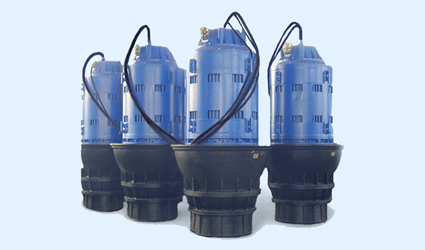
Submersible mixed flow pumps represent a pioneering solution in the world of industrial equipment and components. Designed to operate submerged in the fluid they pump, these pumps provide an efficient means of transporting liquids in various applications. Their unique design allows them to handle a broader range of flow rates and pressures compared to traditional pumping systems. This article explores the myriad advantages of submersible mixed flow pumps and their significant role in enhancing efficiency across several industries.
2. Understanding the Design and Functionality
Submersible mixed flow pumps consist of an impeller and volute casing, working together to move fluids effectively. The impeller, usually multi-bladed, is designed to create a mixed flow pattern that combines both axial and radial movement. This design facilitates a high flow rate while maintaining relatively low energy consumption.
When the pump is submerged, the surrounding liquid helps to cool the motor, enhancing durability and reducing the risk of overheating. Additionally, the submersible design eliminates the need for a suction lift, making these pumps ideal for applications where fluid levels fluctuate.
3. Key Advantages of Submersible Mixed Flow Pumps
3.1 Enhanced Efficiency in Fluid Transfer
One of the most significant advantages of submersible mixed flow pumps is their ability to handle a wide variety of flow conditions. Their design enables efficient fluid transfer, even in challenging environments. This efficiency translates into reduced operational costs, as less energy is required for pumping tasks.
3.2 Space-Saving Design
Unlike traditional pumps that often require extensive installation space and additional equipment for suction, submersible mixed flow pumps can operate directly within the fluid. This compact design is particularly advantageous in urban settings or confined spaces, allowing for more efficient use of available resources.
3.3 Versatility Across Applications
Submersible mixed flow pumps are not limited to a specific industry; their versatility makes them suitable for various applications. From wastewater treatment facilities to agricultural irrigation systems, these pumps can adapt to different environments and requirements, making them an invaluable asset for diverse operations.
4. Applications of Submersible Mixed Flow Pumps
4.1 Wastewater Management
In wastewater treatment facilities, submersible mixed flow pumps play a crucial role in transporting sewage and industrial effluents. Their ability to handle solids and abrasive materials makes them ideal for this application, ensuring smooth operation and minimal downtime.
4.2 Industrial Processing
Many industrial processes require reliable fluid transfer, and submersible mixed flow pumps meet this demand with efficiency. They are commonly used in chemical processing, cooling systems, and other applications where consistency and reliability are paramount.
4.3 Agricultural Irrigation
In agriculture, water management is essential for crop health and yield. Submersible mixed flow pumps enable effective irrigation by extracting water from deep wells or surface sources, ensuring that farmers can maintain optimal moisture levels throughout the growing season.
5. Comparing Submersible Mixed Flow Pumps to Other Pump Types
5.1 Centrifugal Pumps
While centrifugal pumps are widely used across various industries, they may not handle varying flow conditions as effectively as submersible mixed flow pumps. Submersible pumps can manage a broader range of flow rates, resulting in greater overall efficiency.
5.2 Positive Displacement Pumps
Positive displacement pumps can achieve high pressures, making them suitable for specific applications. However, they often require more maintenance and can be less efficient in fluid transfer compared to submersible mixed flow pumps, particularly in applications with fluctuating flow rates.
6. Maintenance and Care for Submersible Mixed Flow Pumps
To ensure optimal performance, regular maintenance of submersible mixed flow pumps is crucial. Here are some key practices:
1. **Routine Inspections**: Regularly check for signs of wear and tear, particularly on the impeller and motor components.
2. **Cleaning**: Remove debris and sediment buildup to prevent clogging and ensure efficient fluid flow.
3. **Lubrication**: Properly lubricate moving parts to extend the pump's lifespan and reduce friction-related wear.
4. **Testing**: Conduct periodic testing to ensure the pump operates within its designed parameters, identifying potential issues before they escalate.
7. Frequently Asked Questions (FAQs)
**Q1: What are submersible mixed flow pumps used for?**
A1: Submersible mixed flow pumps are used for various applications, including wastewater management, industrial processing, and agricultural irrigation.
**Q2: How do submersible mixed flow pumps differ from other pumps?**
A2: These pumps are designed to operate submerged in the fluid they pump, offering enhanced efficiency and versatility compared to traditional pumps.
**Q3: What are the maintenance requirements for submersible mixed flow pumps?**
A3: Regular inspections, cleaning, lubrication, and testing are essential for maintaining optimal performance.
**Q4: Can submersible mixed flow pumps handle solids?**
A4: Yes, they are designed to manage fluids containing solids and abrasive materials, making them ideal for wastewater applications.
**Q5: Are submersible mixed flow pumps energy efficient?**
A5: Absolutely. Their design allows for efficient fluid transfer, reducing overall energy consumption and operational costs.
8. Conclusion
Submersible mixed flow pumps are an essential component in the realm of industrial equipment and fluid management. Their unique design and efficiency provide significant advantages in various applications, from wastewater management to agricultural irrigation. By understanding their functionality, benefits, and maintenance requirements, industries can harness the power of these pumps to optimize their operations and achieve greater efficiency. Embracing submersible mixed flow pumps is a step towards a more effective and sustainable future in fluid transport.
More information

Email: info@lanshengroup.com
Email:trade@lanshengroup.com
Tel:86-025-57507802/86-13814194132
Address: NO.305,East Xiongzhou Rd,Liuhe,Nanjing City,Jiangsu Province


Copyright©2024 Nanjing lanshen Pump Corp.LTD All rights reserved.