
-
PRODUCTS
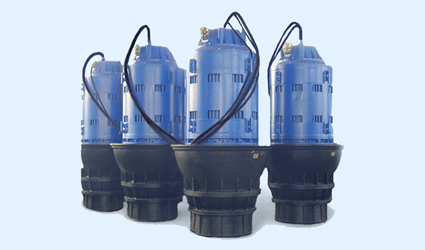
We adhere to independent innovation in science and technology and possess core technologies in the research and development, production and manufacturing of submersible pump products.
-

PROJECTS
Lanshen people are working hand in hand with friends from all walks of life to fulfill the corporate purpose of "creating a green environment and being responsible for the future", becoming the investment subject and partner of many projects, and constantly rewriting the history of China's water industry.
-

NEWS
Follow our updates in real time, from the known to the unknown, the exploration never stops
-
ABOUT
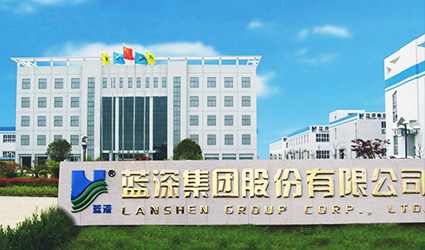
Founded in 1958, it is a national environmental protection enterprise and a high-tech enterprise. As a manufacturer of submersible sewage pumps and agitators

06
2025
-
08
Why Choose a Stainless Steel Sewage Pump for Your Industrial Needs?
Why Choose a Stainless Steel Sewage Pump for Your Industrial Needs?
Table of Contents
- Understanding Sewage Pumps: An Overview
- The Unique Properties of Stainless Steel
- Advantages of Using Stainless Steel Sewage Pumps
- Applications of Stainless Steel Sewage Pumps
- Factors to Consider When Choosing a Pump
- Maintenance Tips for Stainless Steel Sewage Pumps
- Comparing Stainless Steel with Other Materials
- FAQs about Stainless Steel Sewage Pumps
- Conclusion: Making the Right Choice for Your Industrial Needs
Understanding Sewage Pumps: An Overview
Stainless steel sewage pumps play a critical role in various industrial applications. These pumps are specifically designed to transport wastewater and sewage from one location to another, often from lower areas to higher elevations or into treatment facilities. Given the importance of maintaining efficiency in waste management processes, selecting the right sewage pump is crucial for operational success.
The Unique Properties of Stainless Steel
Stainless steel is renowned for its unique properties, which make it an ideal choice for industrial applications. This alloy comprises iron, chromium, and nickel, resulting in a material that boasts remarkable durability and resistance to corrosion. This is particularly vital in sewage applications, where exposure to harsh chemicals and abrasive materials is common.
Corrosion Resistance
One of the standout features of stainless steel is its resistance to rust and corrosion. This property is essential for a sewage pump, which is often submerged in corrosive environments. With stainless steel, operators can expect a longer lifespan and reduced maintenance costs.
Strength and Durability
The strength of stainless steel allows it to withstand high pressures and challenging operating conditions. This ensures that the pump can handle the demanding requirements of industrial waste management without compromising performance.
Advantages of Using Stainless Steel Sewage Pumps
Investing in stainless steel sewage pumps presents numerous benefits for industrial operations.
Durability and Corrosion Resistance
Stainless steel sewage pumps are engineered to endure harsh environments, making them less susceptible to wear and tear compared to alternative materials. This durability translates into extended operational life, minimizing the frequency and cost of replacements.
Efficiency and Performance
These pumps are designed to operate efficiently, ensuring optimal flow rates even under challenging conditions. The design and material properties of stainless steel pumps allow them to maintain high performance while using less energy, contributing to overall operational efficiency.
Cost-Effectiveness in the Long Run
While the initial investment in a stainless steel sewage pump may be higher than that of plastic or cast iron alternatives, the long-term savings are significant. Reduced maintenance costs, lower energy consumption, and longer service life culminate in a more economical solution over time.
Applications of Stainless Steel Sewage Pumps
Stainless steel sewage pumps are versatile and find application across various industries. Some notable sectors include:
- **Municipal Wastewater Treatment Plants:** Ensuring effective sewage transport and treatment.
- **Industrial Manufacturing:** Managing waste generated during production processes.
- **Food and Beverage Industry:** Handling wastewater that may contain organic materials and chemicals.
- **Construction Sites:** Dealing with groundwater and sewage during excavation and site preparation.
Factors to Consider When Choosing a Pump
Selecting the right stainless steel sewage pump requires careful consideration of several factors:
- **Flow Rate:** Determine the required flow rate for your specific application.
- **Head Height:** Assess the vertical distance the sewage needs to be pumped.
- **Pump Type:** Choose between submersible and non-submersible options based on your needs.
- **Power Source:** Consider whether electric, hydraulic, or solar power is most suitable for your operation.
Maintenance Tips for Stainless Steel Sewage Pumps
To ensure longevity and optimal performance of stainless steel sewage pumps, maintenance is key. Here are some essential tips:
- **Regular Inspections:** Conduct routine checks for wear and possible damage.
- **Clean the Pump Periodically:** Remove debris that can clog the pump or impede performance.
- **Monitor Performance:** Keep track of flow rates and efficiency to identify issues early.
- **Lubricate Moving Parts:** Ensure that bearings and other moving parts are adequately lubricated to reduce friction and wear.
Comparing Stainless Steel with Other Materials
When choosing a sewage pump, it is essential to compare stainless steel with other materials like cast iron and plastic.
- **Cast Iron:** While strong and durable, cast iron is more susceptible to rust and corrosion, making it less ideal for harsh environments.
- **Plastic:** Lightweight and resistant to corrosion, plastic pumps may not withstand high pressures as effectively as stainless steel and can be prone to cracking.
FAQs about Stainless Steel Sewage Pumps
1. What are the main advantages of stainless steel sewage pumps?
Stainless steel sewage pumps offer durability, corrosion resistance, efficiency, and long-term cost savings.
2. How long can I expect a stainless steel sewage pump to last?
With proper maintenance, stainless steel sewage pumps can last for many years, often exceeding 10-15 years.
3. Are stainless steel pumps suitable for high-temperature applications?
Yes, stainless steel pumps can handle high temperatures, making them suitable for various industrial applications.
4. How often should I perform maintenance on my sewage pump?
Regular inspections should be conducted at least quarterly, with more frequent checks during heavy usage periods.
5. Can I use stainless steel sewage pumps in residential applications?
Yes, stainless steel sewage pumps can be used in residential settings, especially for high-capacity sewage needs.
Conclusion: Making the Right Choice for Your Industrial Needs
In conclusion, selecting a **stainless steel sewage pump** for your industrial needs can significantly enhance operational efficiency and longevity. With their durability, corrosion resistance, and overall performance advantages, these pumps represent a wise investment for any industrial application. By considering the various factors discussed, including application suitability and maintenance requirements, you can make an informed decision that will benefit your operations for years to come. Embrace the power of stainless steel sewage pumps and experience the difference they can make in your industrial processes.
More information

Email: info@lanshengroup.com
Email:trade@lanshengroup.com
Tel:86-025-57507802/86-13814194132
Address: NO.305,East Xiongzhou Rd,Liuhe,Nanjing City,Jiangsu Province


Copyright©2024 Nanjing lanshen Pump Corp.LTD All rights reserved.