
-
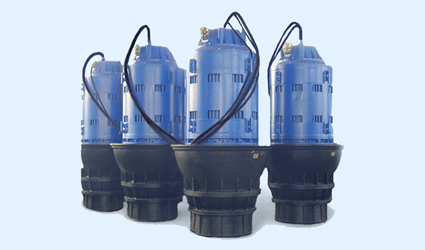
PRODUCTS
We adhere to independent innovation in science and technology and possess core technologies in the research and development, production and manufacturing of submersible pump products.
-

PROJECTS
Lanshen people are working hand in hand with friends from all walks of life to fulfill the corporate purpose of "creating a green environment and being responsible for the future", becoming the investment subject and partner of many projects, and constantly rewriting the history of China's water industry.
-

NEWS
Follow our updates in real time, from the known to the unknown, the exploration never stops
-
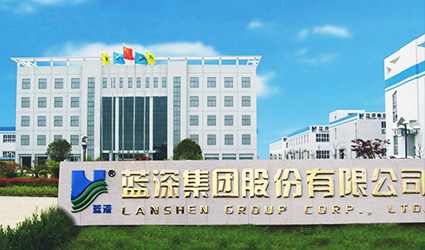
ABOUT
Founded in 1958, it is a national environmental protection enterprise and a high-tech enterprise. As a manufacturer of submersible sewage pumps and agitators

26
2025
-
08
Innovations in Vertical Sewage Pump Technology: What to Expect
Innovations in Vertical Sewage Pump Technology: What to Expect
Table of Contents
- 1. Introduction to Vertical Sewage Pump Technology
- 2. Emerging Trends in Vertical Sewage Pumps
- 3. Smart Technology Integration in Pumps
- 4. Energy Efficiency Improvements
- 5. Advanced Materials and Design Innovations
- 6. Sustainability in Sewage Pumping Solutions
- 7. Applications in Various Industries
- 8. The Future Outlook for Vertical Sewage Pumps
- 9. Frequently Asked Questions
- 10. Conclusion
1. Introduction to Vertical Sewage Pump Technology
Vertical sewage pumps play a crucial role in waste management systems, especially in urban settings where efficient wastewater disposal is essential. These pumps are designed to handle the transportation of sewage and wastewater, ensuring they are moved safely and efficiently from one location to another. Recent advancements in technology have transformed vertical sewage pumps, making them more reliable and efficient than ever before. In this article, we will explore the innovations that are shaping the future of vertical sewage pump technology and what users can expect moving forward.
2. Emerging Trends in Vertical Sewage Pumps
The vertical sewage pump market is experiencing several key trends that are influencing the design and functionality of these essential devices. One significant trend is the increasing demand for pumps that can handle a wider range of waste materials, including those with high solid content. Additionally, the push for automation in wastewater management systems is driving the development of more sophisticated pumps equipped with advanced monitoring and control systems.
2.1 Increased Demand for High-Performance Pumps
As urban populations continue to grow, the demand for high-performance vertical sewage pumps has surged. Industries are seeking pumps that not only perform reliably under various conditions but also have the capability to adapt to changing waste compositions. This adaptability ensures that sewage pumping systems can handle fluctuations in flow rates and solids content with ease.
2.2 Automation and Remote Monitoring
The integration of automation and remote monitoring technologies is another trend gaining traction in the vertical sewage pump sector. Operators can now monitor pump performance and operational parameters in real-time, leading to quicker response times in case of malfunctions. This technology minimizes downtime and enhances overall system efficiency.
3. Smart Technology Integration in Pumps
Smart technology is revolutionizing the way vertical sewage pumps operate. With the Internet of Things (IoT) and Artificial Intelligence (AI), these pumps are becoming more intelligent and capable of self-diagnosis. This evolution results in enhanced operational efficiency and predictive maintenance.
3.1 IoT-Enabled Sewage Pumps
IoT-enabled vertical sewage pumps can connect to a centralized system, allowing for data collection and analysis. This connectivity enables operators to assess the pump's performance, detect anomalies, and schedule maintenance before issues escalate, thereby reducing unexpected failures and prolonging the equipment's life.
3.2 Predictive Maintenance Techniques
The use of AI in predictive maintenance helps operators understand when a pump is likely to require service. By analyzing historical data and performance trends, AI algorithms can forecast potential failures and recommend proactive measures, ultimately leading to reduced operational costs and improved system reliability.
4. Energy Efficiency Improvements
As energy costs continue to rise and environmental regulations tighten, energy efficiency has become a priority for vertical sewage pump manufacturers. Innovations aimed at improving energy efficiency not only reduce operational costs but also align with sustainability goals.
4.1 Enhanced Motor Technology
Modern vertical sewage pumps are increasingly equipped with high-efficiency motors that consume less power while delivering the same performance. These motors are designed to minimize energy waste and can lead to significant savings over the lifespan of the pump.
4.2 Variable Frequency Drives (VFDs)
The incorporation of Variable Frequency Drives allows pumps to adjust their speed based on demand. This flexibility ensures that pumps only operate at the levels necessary for the current conditions, which leads to further energy savings and reduced wear and tear on the equipment.
5. Advanced Materials and Design Innovations
The materials used in vertical sewage pumps have evolved significantly, resulting in enhanced performance and longevity. Manufacturers are now utilizing advanced composites and corrosion-resistant materials that can withstand harsh environments.
5.1 Corrosion-Resistant Materials
Pumps are increasingly constructed from corrosion-resistant materials such as stainless steel and specialized polymers. These materials help extend the lifespan of the pump, reducing maintenance needs and replacement costs.
5.2 Streamlined Design for Improved Flow
Innovative design approaches, such as streamlined impellers and optimized casing shapes, are being employed to enhance flow dynamics within the pump. These design improvements result in lower energy consumption and increased efficiency during operation.
6. Sustainability in Sewage Pumping Solutions
The emphasis on sustainability in wastewater management is influencing the development of vertical sewage pumps. Manufacturers are focusing on creating solutions that minimize environmental impact while maximizing efficiency.
6.1 Eco-Friendly Manufacturing Processes
The production of vertical sewage pumps is increasingly embracing eco-friendly practices. This includes using sustainable materials, reducing waste in the manufacturing process, and implementing energy-efficient production techniques.
6.2 Lifecycle Assessments
Conducting lifecycle assessments helps manufacturers evaluate the environmental impact of their pumps from production to disposal. This holistic approach allows for more sustainable design choices and encourages the development of products that are easier to recycle or dispose of responsibly.
7. Applications in Various Industries
Vertical sewage pumps are used across a wide range of industries, each with unique requirements. Understanding the specific applications can help in selecting the right pump for the job.
7.1 Municipal Wastewater Treatment
Municipalities rely heavily on vertical sewage pumps for the effective treatment of wastewater. These pumps transport sewage from residential and commercial areas to treatment facilities, playing a critical role in maintaining public health and environmental standards.
7.2 Industrial Applications
Industries such as manufacturing, food processing, and pharmaceuticals utilize vertical sewage pumps to manage waste generated during production. The ability to handle abrasive and corrosive materials is essential in these settings, making advanced vertical sewage pumps invaluable.
8. The Future Outlook for Vertical Sewage Pumps
The future of vertical sewage pump technology looks promising, with continuous innovations expected to enhance efficiency, reliability, and sustainability. As technology advances, the industry is poised for even greater improvements.
8.1 Integration with Smart Cities
The rise of smart cities will likely drive demand for more advanced sewage pumping solutions. Integrating vertical pumps into smart city infrastructure will facilitate better waste management and resource conservation, leading to improved quality of life for residents.
8.2 Ongoing Research and Development
Ongoing research and development efforts will focus on creating even more efficient pumps that can handle a wider variety of waste materials. This innovation will be crucial as urbanization continues to rise and industries evolve.
9. Frequently Asked Questions
What is a vertical sewage pump?
A vertical sewage pump is a type of pump designed to transport sewage and wastewater. It is characterized by its vertical orientation, which helps in managing space and improving efficiency.
How do vertical sewage pumps work?
Vertical sewage pumps typically use an impeller mechanism to create suction, drawing sewage into the pump and discharging it into a pipeline. Their design allows them to handle high solids content.
What are the benefits of advanced vertical sewage pumps?
Advanced vertical sewage pumps offer numerous benefits, including improved energy efficiency, reduced maintenance costs, enhanced durability, and the ability to handle various waste types.
Are there specific maintenance requirements for vertical sewage pumps?
Yes, regular maintenance is essential for vertical sewage pumps. This includes routine inspections, cleaning, and replacing worn parts to ensure optimal performance.
How can smart technology improve sewage pump systems?
Smart technology enhances sewage pump systems through real-time monitoring, predictive maintenance, and automation, leading to improved efficiency, reduced downtime, and lower operational costs.
10. Conclusion
Innovations in vertical sewage pump technology are reshaping the landscape of wastewater management. From smart technology integration to advancements in materials and energy efficiency, these pumps are becoming essential tools for municipalities and industries alike. As we move forward, the focus on sustainability and smart solutions will continue to drive the evolution of vertical sewage pumps, ensuring they remain a vital component in the effort to manage waste effectively and responsibly. Embracing these innovations will not only enhance operational efficiency but also contribute to a greener future for our communities.
More information

Email: info@lanshengroup.com
Email:trade@lanshengroup.com
Tel:86-025-57507802/86-13814194132
Address: NO.305,East Xiongzhou Rd,Liuhe,Nanjing City,Jiangsu Province


Copyright©2024 Nanjing lanshen Pump Corp.LTD All rights reserved.