
-
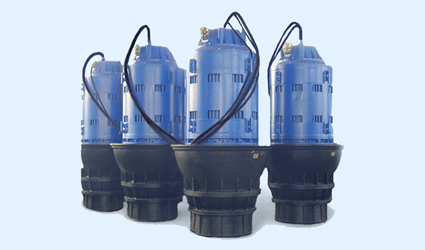
PRODUCTS
We adhere to independent innovation in science and technology and possess core technologies in the research and development, production and manufacturing of submersible pump products.
-

PROJECTS
Lanshen people are working hand in hand with friends from all walks of life to fulfill the corporate purpose of "creating a green environment and being responsible for the future", becoming the investment subject and partner of many projects, and constantly rewriting the history of China's water industry.
-

NEWS
Follow our updates in real time, from the known to the unknown, the exploration never stops
-
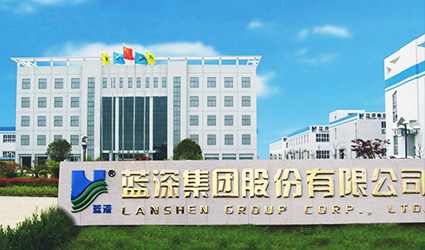
ABOUT
Founded in 1958, it is a national environmental protection enterprise and a high-tech enterprise. As a manufacturer of submersible sewage pumps and agitators

05
2025
-
09
Choosing Between Different Types of Vertical Sewage Pumps: A Comprehensive Guide
Choosing Between Different Types of Vertical Sewage Pumps
Introduction to Vertical Sewage Pumps
Vertical sewage pumps are crucial components in waste management systems, facilitating the efficient transfer of sewage and wastewater. They are designed to operate in environments where horizontal pumping is impractical, often in confined spaces or where gravity flow is insufficient. Understanding the various types available is essential for making informed decisions that enhance operational efficiency and reliability.
Why Choose Vertical Sewage Pumps?
Vertical sewage pumps offer several advantages over their horizontal counterparts. These include:
- **Space Efficiency**: They occupy less floor space, making them ideal for tight installations.
- **Self-Priming Options**: Many models can self-prime, reducing the need for additional equipment.
- **Lower Operating Costs**: Their design often leads to reduced energy consumption.
- **Versatility**: Suitable for various applications, including municipal, industrial, and commercial sewage systems.
Key Considerations When Choosing Vertical Sewage Pumps
When selecting a vertical sewage pump, several critical factors must be considered to ensure optimal performance.
1. **Pump Type**
There are several types of vertical sewage pumps, each with unique features and applications. Understanding these will help you select the right pump for your needs.
Submersible Pumps
Submersible vertical sewage pumps are designed to operate underwater, making them ideal for applications where they are submerged in sewage or wastewater. They are compact and efficient, making them suitable for both residential and industrial applications.
Non-Submersible Pumps
These pumps are installed above the sewage level and are commonly used for transferring liquids from pits or tanks. Non-submersible pumps are often easier to maintain due to their accessibility.
2. **Flow Rate Requirements**
Understanding the required flow rate is vital when choosing a pump. The flow rate indicates how much sewage the pump can handle over a specific period. Consider factors such as peak flow demands, average flow rates, and emergency situations when determining your requirements.
3. **Head Requirements**
Pump head refers to the height to which a pump can raise water. In sewage applications, this is particularly important, as it affects the pump's ability to transport fluids against gravity. Evaluate your system's elevation changes and ensure the selected pump can handle the necessary head.
4. **Material Compatibility**
The materials used in the construction of vertical sewage pumps should be compatible with the substances being pumped. This is particularly important for corrosive or abrasive fluids. Stainless steel, cast iron, and specialized polymers are common materials that offer durability and resistance to corrosion.
5. **Motor Configuration**
The motor's configuration can significantly impact pump performance. Vertical sewage pumps typically come with either a vertical or horizontal motor orientation. Select a configuration that fits your installation requirements and allows for efficient operation.
Popular Types of Vertical Sewage Pumps
Let's take a closer look at some of the most popular types of vertical sewage pumps available in the market today.
1. **Vertical Turbine Pumps**
Vertical turbine pumps are versatile and ideal for applications requiring high head and flow rates. They are often used in municipal and industrial settings and can handle large volumes of sewage efficiently.
2. **Axial Flow Pumps**
These pumps are designed for high flow rates at low heads, making them suitable for applications where large volumes of sewage need to be moved quickly. Axial flow pumps work well in drainage and flood control applications.
3. **Centrifugal Pumps**
Centrifugal vertical sewage pumps utilize a rotating impeller to move sewage. They are commonly used in both residential and commercial applications due to their efficiency and ability to handle solids.
4. **Diaphragm Pumps**
Diaphragm pumps are particularly useful for handling sludges and slurries, making them ideal for wastewater treatment facilities. Their unique design minimizes the risk of clogging.
Benefits of Vertical Sewage Pumps
Vertical sewage pumps offer a range of benefits that can improve the efficiency of sewage management systems.
1. **Enhanced Reliability**
Vertical pumps are designed for continuous operation, making them reliable for transferring sewage and wastewater. Their durable construction ensures consistent performance even in demanding conditions.
2. **Reduced Maintenance Requirements**
Due to their design, vertical sewage pumps often require less maintenance than horizontal pumps. This can lead to reduced operational costs and increased longevity of the equipment.
3. **Energy Efficiency**
Many vertical sewage pumps are designed to be energy-efficient, helping to lower energy costs associated with sewage management. Choosing the right pump can result in significant savings over time.
Installation and Maintenance of Vertical Sewage Pumps
Proper installation and ongoing maintenance are essential for maximizing the life and efficiency of vertical sewage pumps.
1. **Installation Best Practices**
When installing a vertical sewage pump, consider the following best practices:
- **Follow Manufacturer Guidelines**: Always adhere to the manufacturer's specifications for installation.
- **Plan for Accessibility**: Ensure that the pump is accessible for maintenance and repair.
- **Secure Proper Electrical Connections**: Ensure that electrical connections are safe and comply with local codes.
2. **Routine Maintenance Tasks**
Regular maintenance is critical to keeping vertical sewage pumps in optimal condition. Common maintenance tasks include:
- **Inspecting Seals and Gaskets**: Regularly check for wear and replace as necessary.
- **Cleaning**: Remove debris and buildup from the pump and surrounding areas.
- **Lubrication**: Ensure all moving parts are adequately lubricated to prevent wear.
Common Concerns and Troubleshooting
Understanding potential issues that can arise with vertical sewage pumps allows for quicker resolution.
1. **Pump Not Starting**
If the pump fails to start, check for electrical issues, such as faulty connections or tripped breakers.
2. **Insufficient Flow Rate**
If the pump is not providing adequate flow, inspect for clogs in the intake or discharge lines, and ensure the pump is operating at the correct RPM.
3. **Unusual Noises**
Unusual noises may indicate issues such as cavitation or bearing failure. Regular inspections can help catch these problems early.
Frequently Asked Questions (FAQs)
1. What factors should I consider when selecting a vertical sewage pump?
When selecting a vertical sewage pump, consider pump type, flow rate, head requirements, material compatibility, and motor configuration.
2. How can I determine the required flow rate for my application?
Evaluate your system's peak flow demands and average flow rates to determine the necessary flow rate for your vertical sewage pump.
3. What maintenance is required for vertical sewage pumps?
Routine maintenance includes inspecting seals, cleaning the pump and surrounding area, and lubricating moving parts.
4. Can vertical sewage pumps handle solids?
Yes, many vertical sewage pumps are designed to handle solids, but it's essential to choose a model specifically designed for this purpose.
5. What is the average lifespan of a vertical sewage pump?
The lifespan of a vertical sewage pump can vary based on usage and maintenance but typically ranges from 10 to 20 years with proper care.
Conclusion
Selecting the right vertical sewage pump is a critical decision that can significantly impact the efficiency and reliability of sewage management systems. By understanding the different types of pumps, evaluating key considerations such as flow rate and head requirements, and adhering to best installation and maintenance practices, you can ensure optimal performance and longevity. With the right vertical sewage pump in place, you can effectively manage wastewater and sewage, contributing to a cleaner and healthier environment.
More information

Email: info@lanshengroup.com
Email:trade@lanshengroup.com
Tel:86-025-57507802/86-13814194132
Address: NO.305,East Xiongzhou Rd,Liuhe,Nanjing City,Jiangsu Province


Copyright©2024 Nanjing lanshen Pump Corp.LTD All rights reserved.