
-
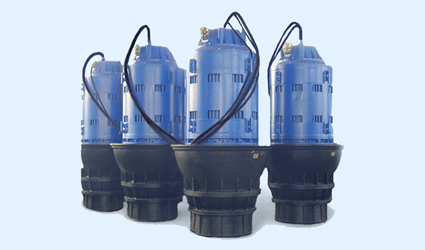
PRODUCTS
We adhere to independent innovation in science and technology and possess core technologies in the research and development, production and manufacturing of submersible pump products.
-

PROJECTS
Lanshen people are working hand in hand with friends from all walks of life to fulfill the corporate purpose of "creating a green environment and being responsible for the future", becoming the investment subject and partner of many projects, and constantly rewriting the history of China's water industry.
-

NEWS
Follow our updates in real time, from the known to the unknown, the exploration never stops
-
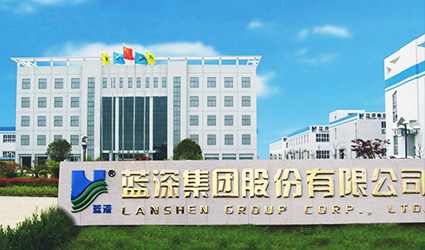
ABOUT
Founded in 1958, it is a national environmental protection enterprise and a high-tech enterprise. As a manufacturer of submersible sewage pumps and agitators

10
2025
-
09
Understanding Vertical Sewage Pumps: Key Insights for Industrial Applications
One of the primary features of vertical sewage pumps is their vertical orientation, which allows for efficient space utilization. This design is particularly advantageous in facilities where horizontal space is limited. The vertical arrangement helps in minimizing the footprint of the pumping system while maximizing throughput. These pumps are typically installed in pits or sumps, where they can effectively draw sewage from below ground levels and transport it to treatment facilities.
The operational efficiency of vertical sewage pumps stems from their robust construction and design. They are often equipped with powerful motors, allowing them to handle solids and debris commonly found in sewage. Many vertical sewage pumps are fitted with vortex or semi-vortex impellers that enable them to manage tough materials without clogging, making them ideal for heavy-duty industrial usage.
Another significant advantage of vertical sewage pumps is their ability to operate under varying flow conditions. They can handle large volumes of sewage while adjusting to changes in flow rate, ensuring consistent and reliable service. This adaptability is essential in industrial environments where sewage generation can fluctuate significantly.
Maintenance is another critical aspect of vertical sewage pump performance. Regular inspections and preventive maintenance schedules are recommended to keep these pumps running efficiently. Common maintenance tasks include checking for wear and tear on the impellers, ensuring proper sealing to prevent leaks, and evaluating the motor’s performance. By adhering to a well-structured maintenance plan, operators can extend the lifespan of the pumps and minimize unexpected breakdowns.
In conclusion, vertical sewage pumps play a vital role in the effective management of wastewater in industrial applications. Their efficient design, capability to handle various types of materials, and adaptability to changing flow conditions make them an invaluable asset. By understanding their functions and implementing proper maintenance practices, industries can ensure reliable performance and contribute to the overall efficiency of their operations.
More information

Email: info@lanshengroup.com
Email:trade@lanshengroup.com
Tel:86-025-57507802/86-13814194132
Address: NO.305,East Xiongzhou Rd,Liuhe,Nanjing City,Jiangsu Province


Copyright©2024 Nanjing lanshen Pump Corp.LTD All rights reserved.