
-
PRODUCTS
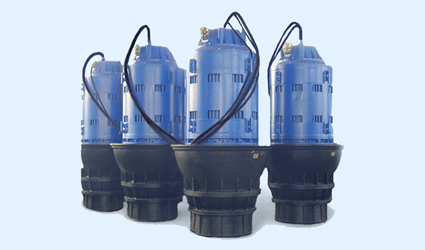
We adhere to independent innovation in science and technology and possess core technologies in the research and development, production and manufacturing of submersible pump products.
-

PROJECTS
Lanshen people are working hand in hand with friends from all walks of life to fulfill the corporate purpose of "creating a green environment and being responsible for the future", becoming the investment subject and partner of many projects, and constantly rewriting the history of China's water industry.
-

NEWS
Follow our updates in real time, from the known to the unknown, the exploration never stops
-

ABOUT
Founded in 1958, it is a national environmental protection enterprise and a high-tech enterprise. As a manufacturer of submersible sewage pumps and agitators

25
2025
-
09
Top Benefits of Using an ABS Sewage Pump in Wastewater Management
Top Benefits of Using an ABS Sewage Pump in Wastewater Management
Wastewater management is a crucial aspect of maintaining public health and environmental standards. Among the various tools and technologies employed in this field, the ABS sewage pump has emerged as a vital component. ABS pumps are known for their durability, efficiency, and ability to handle challenging wastewater scenarios effectively. In this article, we will delve into the many benefits of using ABS sewage pumps in wastewater management, detailing their superior features and how they contribute to more effective waste disposal processes.
Table of Contents
- 1. Introduction to ABS Sewage Pumps
- 2. Efficiency of ABS Sewage Pumps in Wastewater Management
- 3. Durability and Reliability of ABS Pumps
- 4. Environmental Impact and Safety Features
- 5. Cost-Effectiveness of Utilizing ABS Pumps
- 6. Versatility of ABS Sewage Pumps
- 7. Easy Installation and Low Maintenance
- 8. Conclusion
- 9. Frequently Asked Questions (FAQs)
1. Introduction to ABS Sewage Pumps
ABS sewage pumps are specifically designed for handling sewage and wastewater, making them essential for various applications, including municipal wastewater treatment plants, commercial buildings, and residential complexes. These pumps are engineered to manage the challenges of moving liquids that contain solids and other debris, which can be problematic for standard pumps. Their innovative design features contribute to an efficient and reliable operation, ensuring that wastewater is managed effectively.
2. Efficiency of ABS Sewage Pumps in Wastewater Management
One of the standout benefits of ABS sewage pumps is their efficiency. These pumps are engineered to deliver high flow rates, enabling them to quickly and effectively transport wastewater. **High-efficiency motors** contribute to lower energy consumption, reducing operational costs while maintaining performance. Additionally, ABS pumps are designed to handle solids and fibrous materials effortlessly, minimizing the risk of clogs and enhancing operational efficiency.
2.1 Enhanced Performance
ABS pumps are equipped with advanced hydraulic designs that optimize performance under various conditions. The impellers are designed to reduce turbulence and increase flow efficiency, allowing for smooth operation even when dealing with variable wastewater characteristics. This not only improves the lifespan of the pump but also ensures the integrity of the pump system, reducing downtime.
2.2 Energy Savings
By utilizing cutting-edge technology, ABS sewage pumps can significantly reduce energy consumption compared to traditional sewage pumps. The combination of high-efficiency motors and optimized design results in lower electricity bills and a smaller carbon footprint, making ABS pumps an environmentally friendly choice.
3. Durability and Reliability of ABS Pumps
Durability is a crucial factor in wastewater management equipment, given the harsh conditions under which these pumps operate. ABS sewage pumps are constructed using high-quality materials that are resistant to corrosion and wear. This durability ensures that the pumps can withstand the rigors of continuous operation in challenging environments.
3.1 Robust Construction
ABS pumps are built to last, with many models featuring **cast iron or stainless steel** constructions that provide excellent resistance to abrasion and corrosion. This robust construction minimizes the likelihood of malfunctions and extends the service life of the pumps, ultimately leading to cost savings over time.
3.2 Proven Reliability
The reliability of ABS sewage pumps is a critical consideration for wastewater management systems. With a proven track record, these pumps are trusted by industry professionals to perform consistently under demanding conditions. Their ability to operate continuously without frequent breakdowns translates into enhanced operational efficiency for wastewater facilities.
4. Environmental Impact and Safety Features
The use of ABS sewage pumps contributes to environmental sustainability in several ways. By ensuring efficient wastewater management, these pumps help prevent overflow and leaks that could lead to contamination of local water sources. Additionally, the materials used in ABS pumps are designed to minimize environmental impact both during operation and at the end of their lifecycle.
4.1 Eco-Friendly Design
The design of ABS sewage pumps emphasizes eco-friendliness. These pumps are engineered to meet stringent environmental regulations, minimizing emissions and noise pollution. The energy-efficient operation of ABS pumps also supports sustainability initiatives, further enhancing their appeal for environmentally-conscious organizations.
4.2 Safety Features
ABS sewage pumps are equipped with safety features to protect both the equipment and the operators. Many models include built-in thermal protection to prevent overheating, ensuring safe operation under prolonged use. Additionally, **automatic shut-off switches** help prevent potential damage by halting operation when abnormal conditions are detected.
5. Cost-Effectiveness of Utilizing ABS Pumps
Investing in ABS sewage pumps can lead to significant cost savings in the long run. Despite a higher initial purchase price compared to some alternative pumps, the total cost of ownership is often lower due to reduced energy consumption, lower maintenance costs, and extended service life.
5.1 Lower Maintenance Costs
The durable construction and reliable performance of ABS pumps mean they require less frequent repairs and maintenance. This reduction in maintenance needs leads to lower operational costs, allowing organizations to allocate resources more effectively.
5.2 Long-Term Savings
When evaluating the cost-effectiveness of ABS sewage pumps, it’s essential to consider the long-term savings associated with their use. The combination of energy-efficient operation, reduced maintenance needs, and extended lifespan results in a favorable return on investment, making ABS pumps an excellent choice for wastewater management.
6. Versatility of ABS Sewage Pumps
Another significant advantage of ABS sewage pumps is their versatility. These pumps can be used in a wide variety of applications, including residential, commercial, and industrial settings. Their adaptable design makes them suitable for various types of wastewater, from domestic sewage to industrial effluents.
6.1 Wide Application Range
ABS sewage pumps are suitable for numerous applications, including:
- **Municipal wastewater treatment**: Ideal for handling large volumes of sewage in treatment plants.
- **Commercial buildings**: Efficiently manages sewage in shopping centers, hotels, and office buildings.
- **Residential settings**: Provides effective solutions for homes with inadequate gravity drainage.
6.2 Customizable Solutions
Manufacturers of ABS sewage pumps offer a range of models and configurations to meet specific needs, allowing for customized solutions that fit unique wastewater management requirements. This adaptability ensures that operators can find the right pump for their particular application.
7. Easy Installation and Low Maintenance
The installation process of ABS sewage pumps is straightforward, allowing for quick deployment in wastewater management systems. Additionally, the design of these pumps facilitates easy maintenance, which is a crucial consideration for operators looking to minimize downtime and operational disruptions.
7.1 Simple Installation Process
ABS pumps typically come with comprehensive installation guides and support, making it easier for technicians to set them up quickly. The **plug-and-play design** of many models eliminates complicated installation procedures, allowing for a fast start-up.
7.2 Minimal Maintenance Requirements
Once installed, ABS sewage pumps are designed for easy maintenance. Regular inspections and basic upkeep can be performed without specialized training, enabling operators to handle maintenance tasks efficiently. This ease of maintenance contributes to the pump's overall reliability and performance.
8. Conclusion
The use of ABS sewage pumps in wastewater management provides a multitude of benefits, including efficiency, durability, environmental safety, and cost-effectiveness. Their robust design, high performance, and versatility make them an indispensable asset in handling wastewater across various applications. As organizations continue to prioritize effective and sustainable wastewater management solutions, ABS sewage pumps will undoubtedly play a pivotal role in achieving these goals.
9. Frequently Asked Questions (FAQs)
1. What types of wastewater can ABS sewage pumps handle?
ABS sewage pumps are engineered to handle a wide range of wastewater, including domestic sewage, industrial effluents, and waste containing solids and debris.
2. How can I determine the right size of ABS sewage pump for my needs?
The appropriate size of an ABS sewage pump depends on several factors, including flow rate requirements, the type of wastewater, and the total dynamic head (TDH) involved in your system. Consulting with a pump expert can help you find the right fit.
3. What maintenance is required for ABS sewage pumps?
Regular inspections and cleaning of the pump components are essential to maintain optimal performance. Checking for wear and tear, ensuring proper electrical connections, and monitoring performance metrics are recommended maintenance practices.
4. Are ABS sewage pumps environmentally friendly?
Yes, ABS sewage pumps are designed with eco-friendliness in mind. They operate efficiently, minimizing energy use and emissions, and are built to comply with environmental regulations.
5. How long can I expect an ABS sewage pump to last?
With proper maintenance and depending on usage conditions, ABS sewage pumps can last for many years, often exceeding 10-15 years of service life. Regular maintenance can help extend the lifespan even further.
In conclusion, the advantages of using an ABS sewage pump in wastewater management are numerous and significant. By focusing on efficiency, durability, environmental impact, and cost-effectiveness, ABS pumps stand out as a preferred choice for effective wastewater solutions in various settings.
More information

Email: info@lanshengroup.com
Email:trade@lanshengroup.com
Tel:86-025-57507802/86-13814194132
Address: NO.305,East Xiongzhou Rd,Liuhe,Nanjing City,Jiangsu Province


Copyright©2024 Nanjing lanshen Pump Corp.LTD All rights reserved.