
-
PRODUCTS
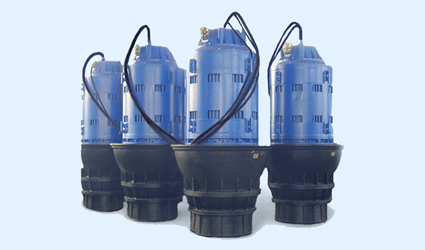
We adhere to independent innovation in science and technology and possess core technologies in the research and development, production and manufacturing of submersible pump products.
-

PROJECTS
Lanshen people are working hand in hand with friends from all walks of life to fulfill the corporate purpose of "creating a green environment and being responsible for the future", becoming the investment subject and partner of many projects, and constantly rewriting the history of China's water industry.
-

NEWS
Follow our updates in real time, from the known to the unknown, the exploration never stops
-
ABOUT
Founded in 1958, it is a national environmental protection enterprise and a high-tech enterprise. As a manufacturer of submersible sewage pumps and agitators

05
2025
-
10
How ABS Sewage Pumps Enhance Industrial Waste Disposal Efficiency
How ABS Sewage Pumps Enhance Industrial Waste Disposal Efficiency
Introduction to ABS Sewage Pumps
In the rapidly evolving world of industrial waste management, the efficiency of waste disposal systems is paramount. **ABS sewage pumps** have emerged as a crucial component in streamlining these processes. Recognized for their robustness and reliability, these pumps significantly contribute to optimizing waste disposal, enhancing operational efficiency, and ensuring environmental sustainability.
Understanding the Role of Sewage Pumps in Industrial Settings
Sewage pumps serve as vital machinery in various industrial applications, particularly in the movement of wastewater and sewage. Unlike conventional pumps, ABS sewage pumps are engineered specifically to handle the unique challenges associated with sewage and wastewater management. They are designed to manage both liquids and solids, making them indispensable in industries such as construction, manufacturing, and municipal services.
The Functionality of ABS Sewage Pumps
**ABS sewage pumps** work by transferring wastewater from lower to higher elevations, often through a series of pipes and channels. They utilize powerful motors to create suction, enabling the movement of waste materials. This mechanism minimizes the risk of clogging and ensures a continuous flow, which is crucial for maintaining operational efficiency.
Key Features of ABS Sewage Pumps
1. **Durability and Reliability**: Constructed from high-quality materials, ABS pumps are designed to withstand harsh conditions and prolonged use.
2. **High Performance**: With robust motor capabilities, these pumps can handle a variety of waste types, including heavy solids and abrasive materials.
3. **Energy Efficiency**: Many ABS pumps are designed to operate with minimal energy consumption, reducing operational costs and environmental impact.
4. **Versatility**: Their adaptability allows them to be used in diverse industrial environments, from sewage treatment plants to construction sites.
Advantages of Using ABS Sewage Pumps in Industrial Waste Disposal
The adoption of ABS sewage pumps in industrial settings offers numerous advantages that contribute to improved waste management practices.
Enhanced Operational Efficiency
One of the primary benefits of ABS sewage pumps is their ability to enhance operational efficiency. These pumps facilitate the swift movement of waste materials, reducing the time and labor required for waste disposal. Industries can streamline their operations, allowing for quicker project completion and reduced downtime.
Cost-Effectiveness
Investing in ABS sewage pumps can lead to significant cost savings. Their energy-efficient designs lower electricity consumption, while their durability minimizes maintenance and replacement costs. Over time, these savings can substantially offset the initial investment.
Environmental Sustainability
With increasing awareness of environmental issues, the use of ABS sewage pumps aligns with sustainability goals. Their efficient operation reduces energy consumption and minimizes the environmental impact of wastewater disposal. Moreover, by effectively managing sewage, these pumps help prevent pollution and protect natural water resources.
Applications of ABS Sewage Pumps in Various Industries
ABS sewage pumps are versatile and can be employed in numerous industrial applications, including:
Wastewater Treatment Plants
In wastewater treatment facilities, ABS pumps are essential for transporting sewage to treatment processes. Their ability to handle solids and flush out contaminants ensures effective treatment and compliance with environmental regulations.
Construction Sites
Construction projects often generate significant amounts of wastewater. ABS sewage pumps provide a reliable solution for managing this waste, helping to maintain a clean and safe work environment.
Manufacturing Facilities
Manufacturing plants that deal with heavy industrial waste can benefit from ABS sewage pumps. Their robust construction allows them to handle abrasive materials, ensuring seamless waste disposal.
Agricultural Applications
In agriculture, ABS sewage pumps can be utilized for managing effluent from livestock operations and processing facilities, contributing to cleaner farming practices and better land management.
Factors to Consider When Selecting ABS Sewage Pumps
Choosing the right ABS sewage pump involves several considerations to ensure optimal performance.
Flow Rate and Capacity
It's crucial to select a pump with the appropriate flow rate and capacity to meet the specific needs of your application. Factors like the volume of wastewater and the distance it needs to be pumped should be taken into account.
Material Compatibility
Consider the types of materials the pump will handle. ABS sewage pumps are often made from materials resistant to corrosion and wear, making them suitable for various waste types.
Power and Efficiency Ratings
Evaluate the power requirements and efficiency ratings of different pump models. Higher efficiency ratings can lead to lower energy costs and better performance.
Maintenance and Support
Choose pumps from reputable manufacturers that offer reliable support and maintenance services. This ensures that any issues can be quickly addressed, minimizing downtime.
Common Misconceptions About ABS Sewage Pumps
Despite the clear advantages of ABS sewage pumps, several misconceptions persist.
Myth 1: All Sewage Pumps Are the Same
Not all sewage pumps are suited for industrial applications. ABS pumps are specifically designed to handle the unique demands of sewage and wastewater, setting them apart from general-purpose pumps.
Myth 2: Higher Cost Equals Better Quality
While price can be an indicator of quality, it is not the sole determining factor. It's essential to evaluate the specifications and performance of the pump rather than focusing solely on cost.
Frequently Asked Questions (FAQs)
1. What are ABS sewage pumps used for?
ABS sewage pumps are primarily used for transporting wastewater and sewage in industrial applications, including wastewater treatment, construction, and manufacturing.
2. How do I determine the right size pump for my needs?
To determine the right size, consider the expected flow rate, the type of waste being pumped, and the distance it needs to be moved.
3. Are ABS sewage pumps energy efficient?
Yes, ABS sewage pumps are designed to operate efficiently, reducing energy consumption compared to less efficient alternatives.
4. What maintenance is required for ABS sewage pumps?
Regular inspections and cleaning are recommended, along with checking for wear and tear on components. Following the manufacturer’s guidelines for maintenance is crucial.
5. Can ABS sewage pumps handle solid waste?
Absolutely. ABS sewage pumps are specifically engineered to handle both liquids and solids, making them suitable for various waste types.
Conclusion
The efficiency of industrial waste disposal is paramount in ensuring not only compliance with regulations but also the sustainability of operations. **ABS sewage pumps** play a crucial role in enhancing this efficiency, providing a reliable, durable, and cost-effective solution for various industrial applications. By understanding their functionality, advantages, and applications, industries can make informed decisions that optimize waste management processes and contribute to a greener future. Adopting **ABS sewage pumps** is not just an investment in equipment but a commitment to operational excellence and environmental stewardship.
More information

Email: info@lanshengroup.com
Email:trade@lanshengroup.com
Tel:86-025-57507802/86-13814194132
Address: NO.305,East Xiongzhou Rd,Liuhe,Nanjing City,Jiangsu Province


Copyright©2024 Nanjing lanshen Pump Corp.LTD All rights reserved.