
-
PRODUCTS
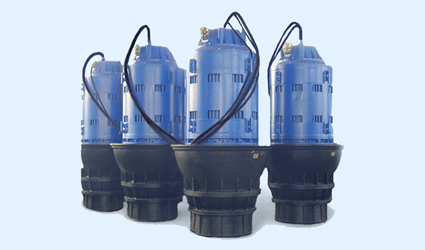
We adhere to independent innovation in science and technology and possess core technologies in the research and development, production and manufacturing of submersible pump products.
-

PROJECTS
Lanshen people are working hand in hand with friends from all walks of life to fulfill the corporate purpose of "creating a green environment and being responsible for the future", becoming the investment subject and partner of many projects, and constantly rewriting the history of China's water industry.
-

NEWS
Follow our updates in real time, from the known to the unknown, the exploration never stops
-
ABOUT
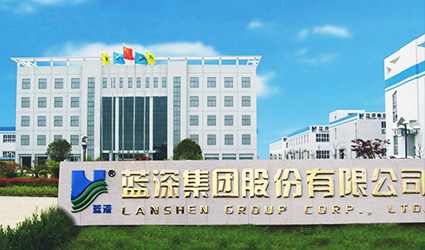
Founded in 1958, it is a national environmental protection enterprise and a high-tech enterprise. As a manufacturer of submersible sewage pumps and agitators

15
2025
-
10
Unlocking Efficiency: The Role of Vortex Impeller Pumps in Modern Industry
Unlocking Efficiency: The Role of Vortex Impeller Pumps in Modern Industry
In today's rapidly evolving industrial landscape, efficiency is paramount. Companies are constantly seeking innovative solutions to enhance productivity while minimizing operational costs. One critical component in achieving this goal is the choice of pumping technology. Among the various options available, vortex impeller pumps stand out as a superior choice for many applications. This article delves into the intricacies of vortex impeller pumps, their benefits, and their role in modern industry.
Table of Contents
- 1. Introduction to Vortex Impeller Pumps
- 2. Design and Mechanism of Vortex Impeller Pumps
- 3. Advantages of Using Vortex Impeller Pumps
- 4. Applications of Vortex Impeller Pumps in Various Industries
- 5. Vortex Impeller Pumps vs. Traditional Pumps
- 6. Maintenance Tips for Vortex Impeller Pumps
- 7. Case Studies: Successful Implementation of Vortex Impeller Pumps
- 8. The Future of Vortex Impeller Pumps in Industry
- 9. Frequently Asked Questions
- 10. Conclusion
1. Introduction to Vortex Impeller Pumps
Vortex impeller pumps are a type of centrifugal pump designed to handle various liquids, including those containing solids or particulates. Unlike traditional pumps which use a direct impeller mechanism, vortex pumps create a swirling motion that facilitates fluid movement while minimizing turbulence and cavitation. This unique operational principle not only enhances efficiency but also extends the lifespan of the pump and improves reliability across diverse applications.
2. Design and Mechanism of Vortex Impeller Pumps
The design of vortex impeller pumps is characterized by a specific impeller configuration that generates a vortex, or swirling flow pattern. This design includes:
Impeller Configuration
The impeller typically features a unique shape that allows fluids to flow into the pump while creating a low-pressure area at the center. This design is instrumental in drawing the liquid into the pump and propelling it through the discharge pipe efficiently.
Volute Casing
The volute casing surrounds the impeller and is designed to convert the kinetic energy of the fluid into pressure energy. This ensures an even distribution of fluid flow and reduces the risk of backflow or cavitation.
Material Considerations
Vortex impeller pumps are often constructed from durable materials such as stainless steel, cast iron, or composite materials, which provide resistance to corrosion and abrasion. This durability is crucial for maintaining performance in harsh industrial environments.
3. Advantages of Using Vortex Impeller Pumps
Vortex impeller pumps offer several advantages that make them an attractive option for a wide range of applications:
Enhanced Efficiency
By utilizing a vortex flow pattern, these pumps significantly reduce energy consumption compared to traditional pumps. This enhancement in efficiency translates into lower operational costs and improved overall productivity.
Ability to Handle Solids and Slurries
Vortex impeller pumps excel at handling fluids with suspended solids or particulates, making them ideal for industries such as wastewater treatment, mining, and agriculture. Their design minimizes the risk of clogging and ensures consistent flow rates.
Reduced Maintenance Requirements
With fewer moving parts and a robust design, vortex pumps typically require less maintenance than their traditional counterparts. This reduction in maintenance needs contributes to lower downtime and operational costs.
4. Applications of Vortex Impeller Pumps in Various Industries
Vortex impeller pumps are used across multiple sectors due to their versatility and efficient performance. Some key applications include:
Wastewater Management
In wastewater treatment plants, vortex pumps efficiently handle sewage and sludge, ensuring effective treatment processes. Their ability to manage solid-laden fluids is essential for maintaining system integrity and operational efficiency.
Agriculture and Irrigation
In agricultural applications, vortex pumps are utilized for irrigation systems, allowing for efficient water distribution while handling debris and sediment present in source water.
Mining and Mineral Processing
In the mining industry, vortex pumps are employed for slurry transport, enabling the movement of mineral-rich fluids safely and effectively without causing wear and tear on the pump mechanisms.
5. Vortex Impeller Pumps vs. Traditional Pumps
When comparing vortex impeller pumps to traditional pumps, several distinctions arise:
Operational Mechanism
While traditional pumps rely on direct contact and impeller action, vortex pumps utilize a swirling motion that minimizes turbulence and enhances fluid dynamics.
Efficiency and Energy Consumption
Vortex pumps typically exhibit lower energy consumption rates due to their design, which allows for smoother fluid movement and reduced strain on the motor.
Maintenance and Longevity
Vortex impeller pumps generally require less frequent maintenance, thanks to their robust design and ability to handle challenging fluid compositions. This longevity offers a significant advantage for businesses seeking reliability.
6. Maintenance Tips for Vortex Impeller Pumps
To ensure the longevity and efficiency of vortex impeller pumps, regular maintenance is crucial. Consider the following tips:
Regular Inspections
Conduct routine inspections to identify any signs of wear, leaks, or unusual noises. Early detection can prevent costly repairs and downtime.
Cleaning Components
Keep the pump and its components clean, particularly if the fluid being pumped contains solids. Regular cleaning prevents clogging and maintains optimal performance.
Monitoring Performance
Implement performance monitoring systems to track flow rates, pressure levels, and energy consumption. Anomalies can indicate potential issues that need addressing.
7. Case Studies: Successful Implementation of Vortex Impeller Pumps
Several companies have successfully integrated vortex impeller pumps into their operations, resulting in significant efficiency gains:
Case Study 1: Wastewater Treatment Facility
A major wastewater treatment facility faced challenges with clogging and downtime due to solid-laden fluids. After switching to vortex impeller pumps, the facility reported a 30% increase in efficiency and a 50% reduction in maintenance costs.
Case Study 2: Mining Operation
A mining company implemented vortex pumps to transport slurry. The pumps effectively handled high solid content, reducing wear on equipment and increasing operational uptime by 40%.
8. The Future of Vortex Impeller Pumps in Industry
As industries continue to evolve, the demand for efficient and reliable pumping solutions will grow. Vortex impeller pumps are positioned to play a pivotal role in this future, particularly as technologies such as automation and IoT (Internet of Things) integration become more prevalent. Innovations focused on enhancing energy efficiency and reducing maintenance needs will further solidify the status of vortex pumps as industry leaders.
9. Frequently Asked Questions
What is a vortex impeller pump?
A vortex impeller pump is a type of centrifugal pump designed to create a swirling motion for efficient fluid transport, minimizing turbulence and handling solids effectively.
What are the advantages of using vortex impeller pumps?
Advantages include enhanced efficiency, the ability to handle solids and slurries, reduced maintenance needs, and long operational life.
In what industries are vortex impeller pumps used?
These pumps are commonly used in wastewater management, agriculture, mining, and various industrial processes requiring reliable fluid movement.
How do vortex pumps compare to traditional pumps?
Vortex pumps typically offer better energy efficiency, reduced maintenance, and the ability to handle more complex fluid compositions compared to traditional pumps.
What maintenance is required for vortex impeller pumps?
Regular inspections, cleaning, and performance monitoring are essential to maintain the efficiency and longevity of vortex impeller pumps.
10. Conclusion
In conclusion, vortex impeller pumps are integral to modern industry, offering numerous advantages that enhance operational efficiency and reliability. Their unique design enables them to handle challenging fluids while minimizing energy consumption and maintenance needs. As industries continue to advance, the role of vortex impeller pumps will become even more critical, making them an investment worth considering for businesses aiming to stay competitive in an ever-evolving marketplace.
More information

Email: info@lanshengroup.com
Email:trade@lanshengroup.com
Tel:86-025-57507802/86-13814194132
Address: NO.305,East Xiongzhou Rd,Liuhe,Nanjing City,Jiangsu Province


Copyright©2024 Nanjing lanshen Pump Corp.LTD All rights reserved.