
-
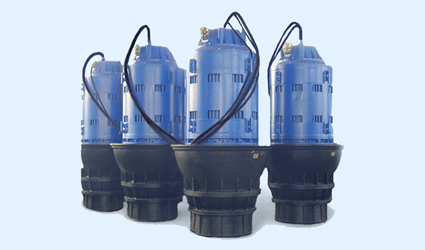
PRODUCTS
We adhere to independent innovation in science and technology and possess core technologies in the research and development, production and manufacturing of submersible pump products.
-

PROJECTS
Lanshen people are working hand in hand with friends from all walks of life to fulfill the corporate purpose of "creating a green environment and being responsible for the future", becoming the investment subject and partner of many projects, and constantly rewriting the history of China's water industry.
-

NEWS
Follow our updates in real time, from the known to the unknown, the exploration never stops
-
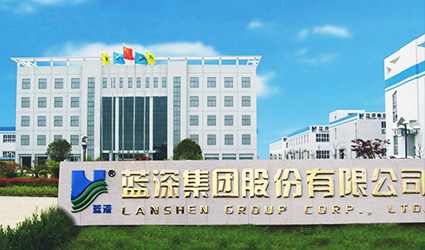
ABOUT
Founded in 1958, it is a national environmental protection enterprise and a high-tech enterprise. As a manufacturer of submersible sewage pumps and agitators

30
2025
-
10
The Essential Guide to Vortex Impeller Pumps: Understanding Their Functionality and Applications
One of the primary advantages of vortex impeller pumps is their ability to manage fluids with high solid content. Traditional pumps often struggle when faced with slurries or viscous materials, leading to premature wear and potential failure. In contrast, vortex impeller pumps can efficiently transport these challenging fluids, making them ideal for waste water treatment, mining, and various industrial processes.
The operational mechanism of a vortex impeller pump centers around the conversion of mechanical energy into kinetic energy through the vortex motion generated by the impeller blades. As the impeller rotates, it creates a low-pressure zone at its center, which draws fluid into the pump. The fluid is then accelerated outward and propelled into the discharge pipe. This process minimizes turbulence and shear stress on the pumped fluid, preserving the integrity of sensitive materials and reducing the potential for damage.
In terms of design, vortex impeller pumps can vary significantly. They are available in different configurations, including open and closed impeller designs, each suited for specific applications. Open impellers are typically better for handling larger solids, while closed impellers offer higher efficiency for clean fluids. Additionally, these pumps are often constructed from materials resistant to corrosion and abrasion, prolonging their lifespan in demanding environments.
Vortex impeller pumps also contribute to energy efficiency in fluid movement. They typically require lower horsepower compared to traditional pumps for the same flow rate, which can result in significant operational cost savings over time. Moreover, their ability to handle varying flow rates and pressures makes them versatile solutions for many industrial applications.
In conclusion, vortex impeller pumps are invaluable tools in various industries, particularly where fluid composition poses challenges for traditional pumping solutions. Understanding their functionality and applications can help professionals make informed decisions when selecting equipment for specific tasks. Their unique design not only enhances performance but also offers long-term reliability, making them a preferable choice for handling complex fluid dynamics in industrial settings.
More information

Email: info@lanshengroup.com
Email:trade@lanshengroup.com
Tel:86-025-57507802/86-13814194132
Address: NO.305,East Xiongzhou Rd,Liuhe,Nanjing City,Jiangsu Province


Copyright©2024 Nanjing lanshen Pump Corp.LTD All rights reserved.