
-
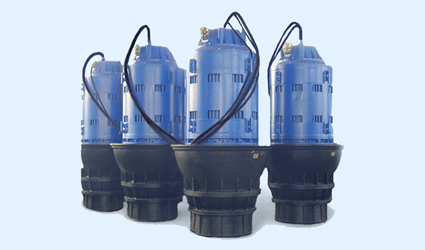
PRODUCTS
We adhere to independent innovation in science and technology and possess core technologies in the research and development, production and manufacturing of submersible pump products.
-

PROJECTS
Lanshen people are working hand in hand with friends from all walks of life to fulfill the corporate purpose of "creating a green environment and being responsible for the future", becoming the investment subject and partner of many projects, and constantly rewriting the history of China's water industry.
-

NEWS
Follow our updates in real time, from the known to the unknown, the exploration never stops
-
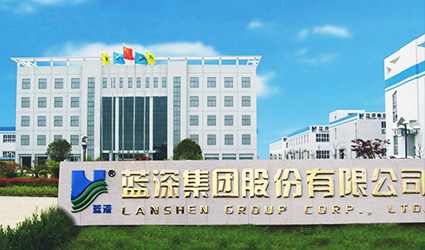
ABOUT
Founded in 1958, it is a national environmental protection enterprise and a high-tech enterprise. As a manufacturer of submersible sewage pumps and agitators

09
2025
-
11
Understanding Sewage Pumps: Essential Equipment for Wastewater Management
One of the key characteristics of sewage pumps is their ability to handle solid waste materials. Unlike standard water pumps, sewage pumps are engineered with robust impellers and cutting mechanisms that allow them to process solid particles, including human waste, paper, and other materials commonly found in sewage. This capability prevents clogs and ensures a smooth operation, which is essential for maintaining sanitary conditions in both residential and industrial environments.
In addition to their primary role in wastewater management, sewage pumps also play a significant part in protecting properties from flooding. In areas prone to heavy rainfall or where water tables are high, installing a sewage pump can prevent water from backing up into homes or businesses. This proactive measure safeguards property and can save owners from costly damage and repairs.
When considering sewage pumps, it’s essential to understand the various types available. Submersible pumps are often used for residential applications, as they can operate underwater and are typically quieter. On the other hand, pedestal pumps, which are installed above the sewage level, are easier to maintain but are generally less suitable for heavily contaminated environments.
Regular maintenance of sewage pumps is crucial to ensure their longevity and reliability. This includes routine inspections to check for wear and tear, cleaning the pump and its components to prevent blockages, and testing the pump's functionality. It's also advisable to monitor the electrical components and ensure that the power supply meets the pump’s requirements.
In conclusion, sewage pumps are a fundamental aspect of effective wastewater management. Their ability to transport waste safely and prevent flooding makes them indispensable in many applications. Understanding how these pumps work and implementing a routine maintenance schedule can significantly enhance their performance and lifespan, ultimately contributing to a cleaner and safer environment. Whether in residential or industrial settings, investing in a quality sewage pump can provide peace of mind and protect against unexpected wastewater issues.
More information

Email: info@lanshengroup.com
Email:trade@lanshengroup.com
Tel:86-025-57507802/86-13814194132
Address: NO.305,East Xiongzhou Rd,Liuhe,Nanjing City,Jiangsu Province


Copyright©2024 Nanjing lanshen Pump Corp.LTD All rights reserved.