
-
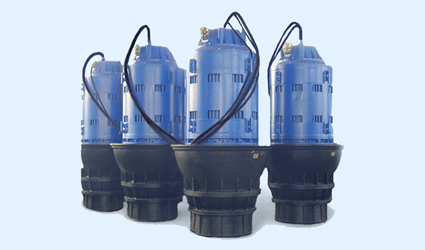
PRODUCTS
We adhere to independent innovation in science and technology and possess core technologies in the research and development, production and manufacturing of submersible pump products.
-

PROJECTS
Lanshen people are working hand in hand with friends from all walks of life to fulfill the corporate purpose of "creating a green environment and being responsible for the future", becoming the investment subject and partner of many projects, and constantly rewriting the history of China's water industry.
-

NEWS
Follow our updates in real time, from the known to the unknown, the exploration never stops
-
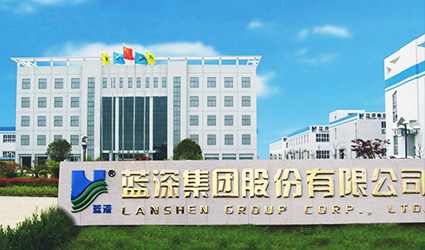
ABOUT
Founded in 1958, it is a national environmental protection enterprise and a high-tech enterprise. As a manufacturer of submersible sewage pumps and agitators

14
2025
-
11
Understanding the Crucial Role of Sewage Pumps in Industrial Applications
Understanding the Crucial Role of Sewage Pumps in Industrial Applications
Table of Contents
- Introduction to Sewage Pumps in Industrial Settings
- What is a Sewage Pump?
- Types of Sewage Pumps Used in Industries
- Applications of Sewage Pumps in Industrial Environments
- The Importance of Sewage Pumps in Industrial Applications
- How to Choose the Right Sewage Pump for Your Needs
- Maintenance and Care for Sewage Pumps
- Recent Advancements in Sewage Pump Technology
- Frequently Asked Questions (FAQs)
- Conclusion
Introduction to Sewage Pumps in Industrial Settings
In the realm of industrial applications, effective waste management is pivotal. Sewage pumps play an integral role in this functionality, ensuring the efficient removal and transportation of wastewater. As industries expand, the need for reliable sewage management solutions becomes increasingly critical. This article explores the significance of sewage pumps, their types, applications, maintenance, and recent technological advancements.
What is a Sewage Pump?
A sewage pump is a specialized device designed to transport sewage and wastewater from one point to another. Unlike regular water pumps, sewage pumps are engineered to handle solid waste, making them vital in various industrial processes. These pumps can efficiently move liquid containing solids, fibrous materials, and other debris, ensuring a smooth flow in drainage systems.
Key Features of Sewage Pumps
- **Durability:** Sewage pumps are built to withstand harsh conditions and corrosive materials.
- **Capacity:** They come in various sizes and capacities to meet different industrial needs.
- **Power Options:** Sewage pumps can be powered by electricity or gas, depending on the operational requirements.
Types of Sewage Pumps Used in Industries
Understanding the different types of sewage pumps is essential for selecting the right one for your specific industrial application. The primary categories include:
1. Submersible Sewage Pumps
Submersible sewage pumps are designed to operate underwater, making them ideal for applications where sewage needs to be pumped from deep pits or sumps. These pumps are typically used in wastewater treatment facilities and are known for their efficiency in handling large volumes of water.
2. Diaphragm Sewage Pumps
Diaphragm pumps are capable of moving liquids that contain solids without causing damage. They are often used in food processing, chemical manufacturing, and other industries requiring sanitary conditions.
3. Grinder Pumps
Grinder pumps are equipped with sharp blades that grind solid waste into smaller pieces, allowing for easier transport through the sewage system. These pumps are particularly useful in residential and commercial applications where sewage needs to be pumped long distances.
4. Non-Clogging Pumps
Non-clogging sewage pumps are designed to handle high solids content without getting blocked. They are commonly used in industrial environments where large amounts of debris are present.
Applications of Sewage Pumps in Industrial Environments
Sewage pumps find applications across a wide range of industries, including:
1. Wastewater Treatment Plants
In wastewater treatment facilities, sewage pumps are crucial for transporting sewage to treatment areas. They facilitate the efficient operation of the treatment process, ensuring that wastewater is properly treated before being released into the environment.
2. Food and Beverage Industry
In food processing plants, sewage pumps handle wastewater generated during production, ensuring that effluent is effectively removed to maintain a clean and hygienic environment.
3. Chemical Manufacturing
Sewage pumps are used to manage chemical waste and prevent contamination. These pumps are designed to withstand corrosive materials and ensure safe disposal.
4. Mining and Construction
In mining and construction sites, sewage pumps are essential for managing water and sewage generated during operations, helping to maintain site safety and efficiency.
The Importance of Sewage Pumps in Industrial Applications
The significance of sewage pumps in industrial settings cannot be overstated. They provide numerous benefits, including:
1. Efficient Waste Management
Sewage pumps streamline the waste disposal process, reducing the risk of clogging and backups in the sewage system. This efficiency is crucial for maintaining operational continuity.
2. Environmental Protection
Proper sewage management helps prevent environmental contamination. Sewage pumps ensure that wastewater is treated and disposed of correctly, mitigating the risk of pollution.
3. Protection of Infrastructure
By effectively moving sewage, these pumps help protect industrial infrastructure from damage caused by sewage backups. This protection can save businesses significant maintenance and repair costs.
4. Compliance with Regulations
Many industries face strict regulations regarding waste management. Implementing effective sewage pump systems ensures compliance with environmental laws and regulations, reducing the risk of penalties.
How to Choose the Right Sewage Pump for Your Needs
Selecting the appropriate sewage pump involves several considerations:
1. Assess Your Needs
Evaluate the volume of wastewater you need to pump and the type of solids present. This assessment will help you determine the pump's capacity and type.
2. Consider the Environment
Understand the conditions where the pump will be installed. Factors like temperature, humidity, and the presence of corrosive materials impact pump selection.
3. Check for Maintenance Requirements
Different pumps have varying maintenance needs. Choose a pump that aligns with your capacity for upkeep to ensure longevity and efficiency.
4. Evaluate Costs
While upfront costs are essential, consider long-term operational costs, including energy consumption and maintenance, when making your decision.
Maintenance and Care for Sewage Pumps
Proper maintenance is vital for ensuring the longevity and efficiency of sewage pumps. Here are some best practices:
1. Regular Inspections
Conduct routine inspections to identify any wear or damage early. Check for leaks, noise, and vibrations that may indicate issues.
2. Clean the Pumps
Ensure that the pumps are free from debris and clogs. Regular cleaning helps maintain optimal performance.
3. Lubricate Moving Parts
Lubrication of moving parts is essential to prevent wear and tear. Use the manufacturer's recommended lubricants and schedules.
4. Monitor Performance
Keep an eye on the pump's performance metrics, such as flow rate and pressure, to detect any potential problems before they escalate.
Recent Advancements in Sewage Pump Technology
Technological advancements continue to enhance the efficiency and reliability of sewage pumps. Key developments include:
1. Smart Pump Systems
Integration with IoT technology allows for real-time monitoring and data collection, enabling predictive maintenance and improved operational efficiency.
2. Energy-Efficient Designs
Newer models are designed for lower energy consumption, helping industrial operations reduce costs while maintaining performance.
3. Enhanced Materials
The use of advanced materials improves durability and resistance to corrosive substances, extending the lifespan of sewage pumps.
4. Modular Designs
Modular sewage pumps allow for easy upgrades and repairs, minimizing downtime and maintenance costs.
Frequently Asked Questions (FAQs)
1. What is the average lifespan of a sewage pump?
The lifespan of a sewage pump typically ranges from 5 to 15 years, depending on usage, maintenance, and the environment in which it operates.
2. How often should sewage pumps be serviced?
Regular maintenance checks should be performed every 6 to 12 months, depending on the pump type and usage conditions.
3. Can sewage pumps handle solid waste?
Yes, sewage pumps are specifically designed to handle solid waste and fibrous materials, unlike standard water pumps.
4. What are the signs that a sewage pump needs repair?
Signs include unusual noises, decreased performance, frequent cycling, leaks, and visible wear on parts.
5. Are there any regulations regarding sewage pump installations?
Yes, many regions have regulations governing sewage pump installations to ensure environmental safety and compliance. It's essential to consult local guidelines.
Conclusion
Sewage pumps are a vital component of industrial waste management systems. Their ability to efficiently transport wastewater and solid waste ensures that industries can operate smoothly while adhering to environmental regulations. By understanding the types, applications, and maintenance of sewage pumps, companies can make informed decisions that enhance operational efficiency and protect the environment. Embracing recent technological advancements will further optimize performance, setting the stage for sustainable industrial practices in the years to come.
More information

Email: info@lanshengroup.com
Email:trade@lanshengroup.com
Tel:86-025-57507802/86-13814194132
Address: NO.305,East Xiongzhou Rd,Liuhe,Nanjing City,Jiangsu Province


Copyright©2024 Nanjing lanshen Pump Corp.LTD All rights reserved.