
-
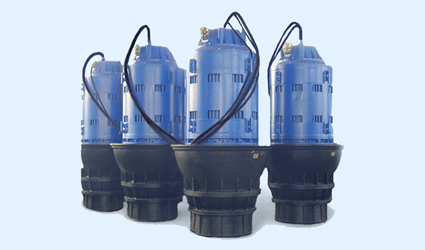
PRODUCTS
We adhere to independent innovation in science and technology and possess core technologies in the research and development, production and manufacturing of submersible pump products.
-

PROJECTS
Lanshen people are working hand in hand with friends from all walks of life to fulfill the corporate purpose of "creating a green environment and being responsible for the future", becoming the investment subject and partner of many projects, and constantly rewriting the history of China's water industry.
-

NEWS
Follow our updates in real time, from the known to the unknown, the exploration never stops
-
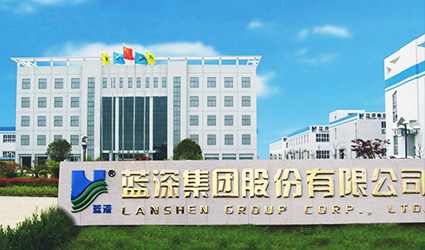
ABOUT
Founded in 1958, it is a national environmental protection enterprise and a high-tech enterprise. As a manufacturer of submersible sewage pumps and agitators

19
2025
-
11
Understanding Sewage Pumps: Essential Equipment for Wastewater Management
The basic operation of a sewage pump involves the use of a motor-driven impeller, which generates pressure to lift the waste fluid. The design of these pumps usually includes features that allow them to handle solid waste, including paper products, food particles, and other debris that may be present in sewage. The most common types of sewage pumps include submersible pumps and pedestal pumps.
Submersible sewage pumps are designed to operate while submerged in the fluid they are pumping. This design minimizes the risk of flooding and allows for quieter operation. They are typically used in residential and commercial settings where space and noise levels must be considered. In contrast, pedestal sewage pumps are installed above the liquid level and utilize a long pipe to draw waste upwards. While they can be easier to maintain, they may not be as efficient in handling larger volumes of wastewater.
Sewage pumps are critical in various industries, including construction, municipal wastewater treatment, and industrial manufacturing. In construction, sewage pumps are used to manage site drainage and prevent flooding, while in municipal settings, they ensure that sewage systems remain operational and free of blockages. Additionally, industries that generate significant wastewater must rely on sewage pumps to maintain compliance with environmental regulations and prevent potential hazards associated with waste accumulation.
When selecting a sewage pump, professionals must consider several factors, including the pump's capacity, the type of waste being handled, and the overall system design. Proper installation and maintenance are also crucial for ensuring the longevity and efficiency of the pump. Regular inspections and timely repairs can prevent costly downtime and extend the life of the equipment.
In summary, sewage pumps are an essential component of wastewater management systems across various industries. By understanding their operation, types, and application, professionals can make informed decisions that enhance system efficiency and compliance. Whether in construction, municipal services, or industrial processes, the role of sewage pumps cannot be overstated in ensuring that waste is managed safely and effectively.
More information

Email: info@lanshengroup.com
Email:trade@lanshengroup.com
Tel:86-025-57507802/86-13814194132
Address: NO.305,East Xiongzhou Rd,Liuhe,Nanjing City,Jiangsu Province


Copyright©2024 Nanjing lanshen Pump Corp.LTD All rights reserved.