
-
PRODUCTS
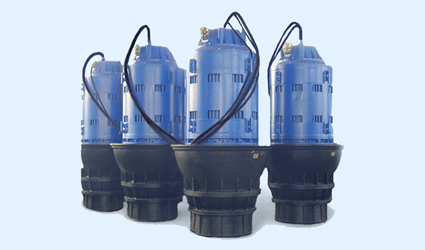
We adhere to independent innovation in science and technology and possess core technologies in the research and development, production and manufacturing of submersible pump products.
-

PROJECTS
Lanshen people are working hand in hand with friends from all walks of life to fulfill the corporate purpose of "creating a green environment and being responsible for the future", becoming the investment subject and partner of many projects, and constantly rewriting the history of China's water industry.
-

NEWS
Follow our updates in real time, from the known to the unknown, the exploration never stops
-
ABOUT
Founded in 1958, it is a national environmental protection enterprise and a high-tech enterprise. As a manufacturer of submersible sewage pumps and agitators

14
2025
-
12
How to Optimize the Use of Horizontal Multi Grade Pumps in Your Operations
How to Optimize the Use of Horizontal Multi Grade Pumps in Your Operations
In the ever-evolving landscape of industrial operations, the need for efficiency and reliability cannot be overstated. Horizontal multi-grade pumps serve as crucial components in various sectors, including manufacturing, chemical processing, and water treatment. This article explores the best practices for optimizing these pumps to enhance operational performance, reduce costs, and ensure longevity.
Understanding Horizontal Multi Grade Pumps
Before diving into optimization techniques, it is essential to understand what horizontal multi-grade pumps are and how they function.
What Are Horizontal Multi Grade Pumps?
Horizontal multi-grade pumps are centrifugal pumps designed to handle a wide range of flow rates and pressures. They consist of multiple impellers that allow for a high degree of efficiency and variable operation. These pumps are typically used in applications requiring consistent liquid movement across various grades, making them ideal for industries where fluid characteristics can change.
Key Features of Horizontal Multi Grade Pumps
1. **Versatility**: Capable of handling different fluids, including viscous and non-viscous materials.
2. **Efficiency**: Designed for optimal energy consumption, reducing operational costs.
3. **Durability**: Built with robust materials to withstand harsh industrial environments.
4. **Maintenance**: Simplified maintenance protocols due to modular designs.
Benefits of Optimizing Horizontal Multi Grade Pumps
Optimizing horizontal multi-grade pumps can lead to significant advantages, including:
Increased Operational Efficiency
By tuning pump performance to specific operational parameters, organizations can reduce energy consumption and improve overall efficiency. This results in lower utility costs and enhanced production rates.
Cost Reduction
Effective optimization strategies can minimize wear and tear on pump components, reducing the need for frequent repairs and replacements. This not only saves money but also prolongs the lifespan of the equipment.
Improved Reliability
By regularly monitoring and optimizing pump performance, businesses can anticipate potential failures and address them before they escalate, ensuring continuous operation.
Strategies for Optimizing Horizontal Multi Grade Pumps
Achieving optimal performance from horizontal multi-grade pumps involves a multi-faceted approach, focusing on various aspects of pump operation.
1. Conducting Regular Maintenance
Regular maintenance is crucial for any industrial equipment, and horizontal multi-grade pumps are no exception.
Scheduled Inspections
Implement a scheduled inspection routine that includes checking for wear on seals, bearings, and impellers. This helps identify potential issues early on.
Lubrication
Ensure that all moving parts are adequately lubricated to reduce friction and wear. Use high-quality lubricants and follow manufacturer recommendations for lubrication intervals.
2. Monitoring Performance Metrics
Establish key performance indicators (KPIs) for your pumps. Some essential metrics to monitor include:
- **Flow Rate**: Ensure that the pump is delivering the desired flow rate as per specifications.
- **Pressure Levels**: Monitor inlet and outlet pressures to identify any irregularities.
- **Energy Consumption**: Keep track of energy usage to detect inefficiencies.
3. Optimizing Pump Selection and Configuration
Selecting the right pump for your specific application is critical. Factors to consider include:
Fluid Characteristics
Analyze the properties of the fluids being pumped, including viscosity, temperature, and chemical composition. Selecting a pump designed for these characteristics ensures optimal performance.
System Design
Evaluate the entire system design, including pipe sizes, fittings, and layout. Proper design minimizes bends and restrictions that can affect pump performance.
4. Utilizing Advanced Technology
Embrace technology to optimize pump performance further. This includes:
Smart Pump Monitoring Systems
Implement advanced monitoring systems that use sensors to provide real-time data on pump performance. This data can help predict maintenance needs and optimize operation.
Automation
Consider automating pump operations to ensure consistent performance. Automated control systems can adjust pump speed and flow rate based on real-time demand.
Understanding Common Issues and Solutions
To effectively optimize horizontal multi-grade pumps, it's vital to understand common operational issues and their solutions.
1. Cavitation
Cavitation occurs when the pressure in the pump falls below the vapor pressure of the fluid, leading to the formation of vapor bubbles. This can cause significant damage.
Prevention Techniques
To prevent cavitation, ensure that the pump is operating within its designated flow and pressure range. Adjusting the system design to reduce suction lift can also help.
2. Vibration Issues
Excessive vibration can indicate an imbalance in the pump system.
Solutions
Regularly check alignment and balance of the pump and its motor. Address any misalignments or wear in bearings to mitigate vibration issues.
3. Seal Failures
Seal failures can lead to leaks, compromising efficiency and safety.
Regular Checks
Implement a routine to check seals for signs of wear and replace them as necessary. Using high-quality sealing materials can also improve longevity.
Best Practices for Training Your Staff
The effectiveness of horizontal multi-grade pumps also relies on the knowledge and skills of the personnel operating them.
1. Comprehensive Training Programs
Invest in thorough training programs for your staff that cover:
- **Pump Operation**: Understanding the operational parameters and controls.
- **Maintenance Procedures**: Best practices for routine maintenance and troubleshooting.
2. Encouraging Continuous Learning
Promote a culture of continuous learning where staff can update their knowledge on new technologies and optimization techniques.
Case Studies: Success Stories in Optimization
Examining real-world applications of optimization strategies can provide valuable insights.
Case Study 1: Chemical Processing Plant
A chemical processing plant implemented smart monitoring systems on their horizontal multi-grade pumps, leading to a 20% reduction in energy costs and a 15% increase in production efficiency.
Case Study 2: Water Treatment Facility
A water treatment facility optimized their pump configuration based on fluid characteristics, resulting in a significant decrease in maintenance frequency and costs.
Future Trends in Pump Optimization
As the industry evolves, staying ahead of trends can ensure your operations remain competitive.
1. IoT and AI Integration
The integration of Internet of Things (IoT) and artificial intelligence (AI) in pump systems will enable more sophisticated monitoring and predictive maintenance strategies.
2. Sustainable Practices
Focusing on sustainability will drive the development of more energy-efficient pumps and processes that minimize environmental impact.
Conclusion
Optimizing the use of horizontal multi-grade pumps is essential in achieving operational excellence in today's industrial landscape. By implementing regular maintenance, monitoring performance metrics, leveraging advanced technologies, and investing in staff training, organizations can enhance efficiency, reduce costs, and ensure the longevity of their pump systems. Embracing these strategies will not only improve workflow but also position your operations for future success in a competitive market.
Frequently Asked Questions (FAQs)
1. What are horizontal multi-grade pumps best used for?
Horizontal multi-grade pumps are ideal for applications needing consistent and efficient fluid movement, particularly in industries such as manufacturing and chemical processing.
2. How can I tell if my pump is experiencing cavitation?
Signs of cavitation include unusual noises, vibrations, and a drop in performance. Monitoring pressure levels can also help identify cavitation.
3. What routine maintenance should I perform on my pumps?
Regularly inspect seals, bearings, and impellers; ensure proper lubrication; and monitor performance metrics such as flow rate and pressure.
4. How can automation improve pump efficiency?
Automation allows for real-time adjustments to pump operations, optimizing flow rates and energy usage based on current demand.
5. What are the signs that my pump needs replacement?
Frequent breakdowns, excessive vibrations, and a significant drop in efficiency are indicators that it may be time to replace your pump.
By focusing on the optimization of horizontal multi-grade pumps, organizations can not only increase productivity but also create a more sustainable and cost-effective operational framework.
More information

Email: info@lanshengroup.com
Email:trade@lanshengroup.com
Tel:86-025-57507802/86-13814194132
Address: NO.305,East Xiongzhou Rd,Liuhe,Nanjing City,Jiangsu Province


Copyright©2024 Nanjing lanshen Pump Corp.LTD All rights reserved.