
-
PRODUCTS
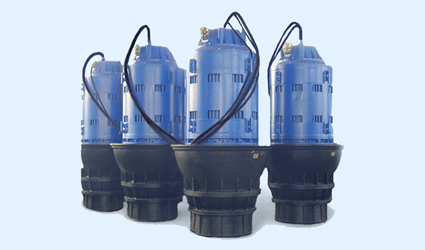
We adhere to independent innovation in science and technology and possess core technologies in the research and development, production and manufacturing of submersible pump products.
-

PROJECTS
Lanshen people are working hand in hand with friends from all walks of life to fulfill the corporate purpose of "creating a green environment and being responsible for the future", becoming the investment subject and partner of many projects, and constantly rewriting the history of China's water industry.
-

NEWS
Follow our updates in real time, from the known to the unknown, the exploration never stops
-
ABOUT
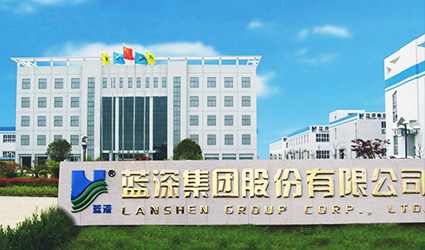
Founded in 1958, it is a national environmental protection enterprise and a high-tech enterprise. As a manufacturer of submersible sewage pumps and agitators

24
2025
-
12
Essential Safety Considerations for Operating Horizontal Multi Grade Pumps
Essential Safety Considerations for Operating Horizontal Multi Grade Pumps
The operation of horizontal multi grade pumps is vital in various industrial applications, including chemical processing, water treatment, and oil and gas industries. Ensuring safety while operating these pumps is paramount in preventing accidents and minimizing potential hazards. This article delves into essential safety considerations, best practices, and guidelines for operating horizontal multi grade pumps effectively.
Table of Contents
- Understanding Horizontal Multi Grade Pumps
- Safety Regulations and Standards
- Common Hazards in Pump Operation
- Personal Protective Equipment (PPE)
- Pre-Operational Safety Checks
- Safe Operating Procedures
- Emergency Response Planning
- Training and Education
- Conclusion
- FAQs
Understanding Horizontal Multi Grade Pumps
Horizontal multi grade pumps are designed to handle various fluids, including corrosive and abrasive materials. These pumps operate using a rotating mechanism that creates a pressure difference, allowing for the transfer of liquids through pipelines. Their design makes them ideal for high-capacity applications, but they also come with specific operational challenges and safety concerns. Understanding how these pumps function is crucial for anyone responsible for their operation.
Types of Fluids Handled
Horizontal multi grade pumps can manage a variety of fluids, including:
- Water and wastewater
- Chemical solutions
- Oil and petroleum products
- Food-grade liquids
Operating Principles
The basic operating principle of these pumps involves:
- A motor driving a shaft that spins the impellers, generating flow and pressure.
- A casing that directs the flow of the pumped liquid.
- Seals and bearings that ensure smooth operation and prevent leaks.
Safety Regulations and Standards
Compliance with safety regulations and standards is non-negotiable when operating horizontal multi grade pumps. Regulatory bodies such as the Occupational Safety and Health Administration (OSHA) and the American National Standards Institute (ANSI) provide guidelines that help ensure safe operational practices. Understanding these standards is essential for maintaining a safe working environment.
Relevant OSHA Regulations
OSHA outlines requirements that cover the safe operation of pumps, including:
- General duty clause for maintaining a safe workplace.
- Specific standards for machinery operation and maintenance.
ANSI Standards for Pump Operation
ANSI provides guidelines that focus on the safety and performance of pumps. These standards emphasize:
- Proper design and construction of pumps.
- Maintenance and operational safety practices.
Common Hazards in Pump Operation
Identifying potential hazards is critical for ensuring the safety of personnel and equipment. Common hazards associated with horizontal multi grade pumps include:
Mechanical Hazards
Mechanical hazards may arise from:
- Moving parts that can cause injuries.
- Improperly maintained equipment leading to malfunctions.
Chemical Hazards
Exposure to hazardous chemicals can occur when handling fluids such as:
- Corrosive materials that can harm skin or eyes.
- Flammable liquids that pose a fire risk.
Ergonomic Hazards
Ergonomic hazards can arise from:
- Improper lifting techniques when handling heavy equipment.
- Repetitive motions during pump maintenance.
Personal Protective Equipment (PPE)
Using appropriate personal protective equipment (PPE) is critical for minimizing risks during pump operation. Essential PPE includes:
Required PPE for Pump Operation
- Safety goggles to protect eyes from chemical splashes.
- Gloves resistant to chemicals and cuts.
- Hard hats to prevent head injuries from falling objects.
- Steel-toed boots to protect feet from heavy equipment.
- Respirators if operating in hazardous environments.
Training on PPE Usage
All personnel should receive training on the proper usage, maintenance, and limitations of PPE to ensure maximum protection.
Pre-Operational Safety Checks
Conducting pre-operational safety checks is essential for ensuring the pumps are in safe working condition. These checks should include:
Visual Inspection of Equipment
Before operation, personnel should visually inspect the pump system for:
- Signs of wear and tear or damage.
- Leaking seals or hoses.
- Proper alignment of all components.
Verification of Control Systems
Ensure that all control systems and emergency shut-off valves are functioning correctly prior to starting the pump.
Safe Operating Procedures
Establishing and following safe operating procedures can greatly reduce the risk of accidents. Key procedures include:
Start-Up Procedures
Before starting the pump, ensure that:
- All personnel are clear from the pump’s vicinity.
- All valves are in the correct positions.
Monitoring During Operation
While the pump is in operation, regularly monitor:
- Pressure gauges and flow rates for abnormalities.
- Noise levels that might indicate mechanical issues.
Shut-Down Procedures
Implementing proper shut-down procedures is crucial in maintaining safety. Ensure that:
- The pump is turned off correctly, following manufacturer guidelines.
- All residual fluids are safely drained and managed.
Emergency Response Planning
Having an emergency response plan in place can mitigate the impact of unforeseen incidents. This plan should include:
Emergency Procedures
Develop clear procedures for responding to:
- Chemical spills or leaks.
- Equipment malfunctions.
- Injuries to personnel.
Regular Drills and Training
Conduct regular drills to ensure that all personnel are familiar with emergency procedures and can respond effectively during an emergency.
Training and Education
Ongoing training and education for all personnel involved in operating horizontal multi grade pumps are vital for maintaining a safe work environment. This training should cover:
Operating Procedures and Safety Protocols
Ensure that all operators are fully trained in:
- Safe operating procedures for pumps.
- Recognizing and mitigating hazards.
Continual Learning and Improvement
Encourage a culture of safety by promoting continual learning through workshops, seminars, and updated training programs based on the latest safety standards and technologies.
Conclusion
Operating horizontal multi grade pumps safely requires a comprehensive understanding of the equipment, adherence to safety regulations, and a commitment to best practices. By recognizing potential hazards, utilizing appropriate PPE, conducting thorough pre-operational checks, and establishing safe operating procedures, we can significantly reduce the risk of accidents and ensure efficient pump operations. Additionally, investing in training and emergency response planning fosters a safe work environment where personnel are prepared for any situation. Ultimately, prioritizing safety not only protects our workforce but also enhances the overall efficiency of our operations.
FAQs
What is a horizontal multi grade pump used for?
A horizontal multi grade pump is commonly used to transport various fluids, including water, chemicals, and petroleum products, in industrial applications.
What are the main safety hazards associated with horizontal multi grade pumps?
Key hazards include mechanical risks, chemical exposure, and ergonomic challenges posed during operation and maintenance.
Why is PPE important when operating pumps?
Personal protective equipment (PPE) is essential in protecting workers from potential hazards like chemical splashes, mechanical injuries, and other risks associated with pump operation.
How often should safety checks be conducted on horizontal multi grade pumps?
Pre-operational safety checks should be conducted before each operation, while routine maintenance checks should occur as scheduled per manufacturer recommendations.
What training is required for personnel operating horizontal multi grade pumps?
Personnel should receive training on safe operating procedures, hazard recognition, emergency response protocols, and the proper use of PPE to ensure safe and efficient pump operation.
More information

Email: info@lanshengroup.com
Email:trade@lanshengroup.com
Tel:86-025-57507802/86-13814194132
Address: NO.305,East Xiongzhou Rd,Liuhe,Nanjing City,Jiangsu Province


Copyright©2024 Nanjing lanshen Pump Corp.LTD All rights reserved.