
-
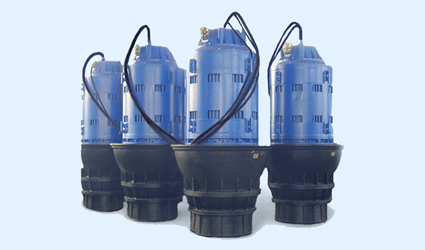
PRODUCTS
We adhere to independent innovation in science and technology and possess core technologies in the research and development, production and manufacturing of submersible pump products.
-

PROJECTS
Lanshen people are working hand in hand with friends from all walks of life to fulfill the corporate purpose of "creating a green environment and being responsible for the future", becoming the investment subject and partner of many projects, and constantly rewriting the history of China's water industry.
-

NEWS
Follow our updates in real time, from the known to the unknown, the exploration never stops
-
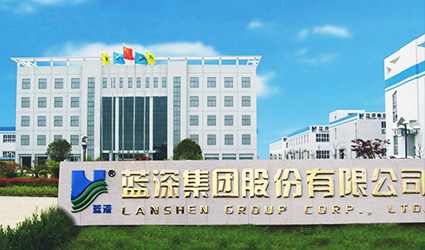
ABOUT
Founded in 1958, it is a national environmental protection enterprise and a high-tech enterprise. As a manufacturer of submersible sewage pumps and agitators

29
2025
-
12
Understanding Municipal Sewage Pumps: Essential Equipment for Wastewater Management
These pumps are typically submersible or dry-mounted and are capable of handling a variety of waste materials, including solids, liquids, and sludge. A key feature of municipal sewage pumps is their ability to operate under harsh conditions, including high temperatures and corrosive environments. This durability ensures a long operational life and reduces the need for frequent maintenance, making them a cost-effective solution for municipalities.
One of the primary functions of municipal sewage pumps is to move wastewater from lower elevations to treatment plants. Gravity alone cannot always manage the flow, especially in areas with varied topography. In such cases, sewage pumps elevate the wastewater, allowing it to flow through the system and preventing backups that could lead to environmental contamination or public health hazards.
Understanding the technology behind municipal sewage pumps is essential for those involved in wastewater management. These pumps often incorporate advanced features like automatic controls, which can monitor levels of wastewater and adjust operation accordingly. This automation enhances efficiency and energy savings, making the system more sustainable. Additionally, remote monitoring capabilities are increasingly being integrated into sewage pump systems, allowing operators to oversee performance and troubleshoot issues from a distance.
Maintenance of municipal sewage pumps is crucial for their optimal performance. Regular inspections and servicing help identify potential issues before they become major problems, ensuring continuous operation. Operators should be trained to recognize signs of wear or malfunction, which can include unusual noises, vibrations, or changes in pumping efficiency. Adopting a proactive maintenance approach is key to minimizing downtime and ensuring that wastewater is handled effectively.
In summary, municipal sewage pumps play a vital role in the wastewater treatment process, facilitating the safe and effective transport of sewage. Their robust design, advanced technology, and importance in protecting public health and the environment make them indispensable in modern infrastructure. Understanding their functionality and maintenance needs can help municipalities manage their wastewater systems more effectively, ultimately contributing to sustainable urban living.
More information

Email: info@lanshengroup.com
Email:trade@lanshengroup.com
Tel:86-025-57507802/86-13814194132
Address: NO.305,East Xiongzhou Rd,Liuhe,Nanjing City,Jiangsu Province


Copyright©2024 Nanjing lanshen Pump Corp.LTD All rights reserved.