
-
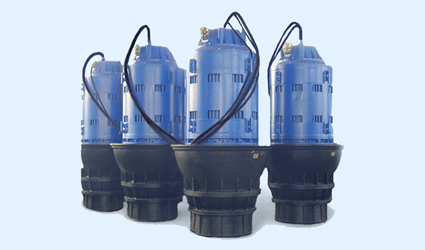
PRODUCTS
We adhere to independent innovation in science and technology and possess core technologies in the research and development, production and manufacturing of submersible pump products.
-

PROJECTS
Lanshen people are working hand in hand with friends from all walks of life to fulfill the corporate purpose of "creating a green environment and being responsible for the future", becoming the investment subject and partner of many projects, and constantly rewriting the history of China's water industry.
-

NEWS
Follow our updates in real time, from the known to the unknown, the exploration never stops
-
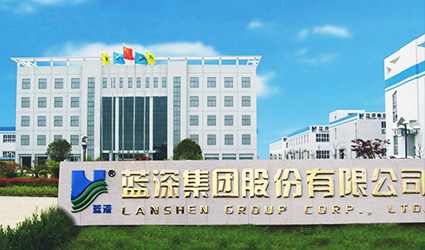
ABOUT
Founded in 1958, it is a national environmental protection enterprise and a high-tech enterprise. As a manufacturer of submersible sewage pumps and agitators

08
2026
-
01
The Essential Role of Municipal Sewage Pumps in Urban Infrastructure
At their core, municipal sewage pumps are designed to handle the challenges posed by wastewater, which often contains solids, debris, and other materials that can obstruct traditional pumping systems. These pumps typically utilize either centrifugal or positive displacement technology to effectively move sewage. Centrifugal pumps are widely used due to their efficiency and ability to handle large volumes of liquid, while positive displacement pumps are particularly advantageous for viscous fluids or applications requiring high pressure.
The selection of a suitable municipal sewage pump depends on several factors, including the flow rate, the total dynamic head (TDH), and the specific characteristics of the sewage being pumped. It is crucial for professionals to conduct thorough assessments to ensure that the chosen pump can meet the demands of the system while minimizing energy consumption and operational costs.
One of the primary advantages of municipal sewage pumps is their contribution to public health and environmental protection. By efficiently transporting sewage to treatment plants, these pumps help reduce the risk of overflows and backups that could lead to contamination of water sources and create hazardous living conditions. Additionally, advanced sewage pumps are often equipped with monitoring systems that allow for real-time assessments of pump performance, enabling proactive maintenance and reducing the likelihood of unexpected failures.
Proper maintenance practices are vital for ensuring the longevity and efficiency of municipal sewage pumps. Regular inspections, cleaning, and timely replacement of wear parts are essential to prevent issues such as clogs or mechanical failures. Furthermore, professionals should consider implementing preventive maintenance schedules that align with manufacturer guidelines to optimize performance and extend the lifespan of these critical components.
In conclusion, municipal sewage pumps play a vital role in urban wastewater management, providing essential services that protect public health and the environment. Industry professionals must stay informed about the latest technologies and best practices in pump selection and maintenance to ensure the efficient operation of sewage systems. By understanding the importance of municipal sewage pumps, stakeholders can contribute to the sustainability and resilience of urban infrastructure.
More information

Email: info@lanshengroup.com
Email:trade@lanshengroup.com
Tel:86-025-57507802/86-13814194132
Address: NO.305,East Xiongzhou Rd,Liuhe,Nanjing City,Jiangsu Province


Copyright©2024 Nanjing lanshen Pump Corp.LTD All rights reserved.