
-
PRODUCTS
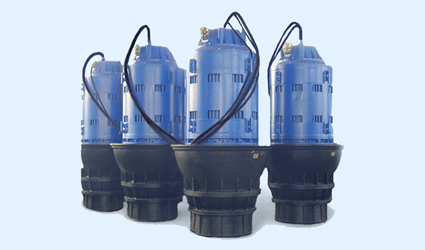
We adhere to independent innovation in science and technology and possess core technologies in the research and development, production and manufacturing of submersible pump products.
-

PROJECTS
Lanshen people are working hand in hand with friends from all walks of life to fulfill the corporate purpose of "creating a green environment and being responsible for the future", becoming the investment subject and partner of many projects, and constantly rewriting the history of China's water industry.
-

NEWS
Follow our updates in real time, from the known to the unknown, the exploration never stops
-
ABOUT
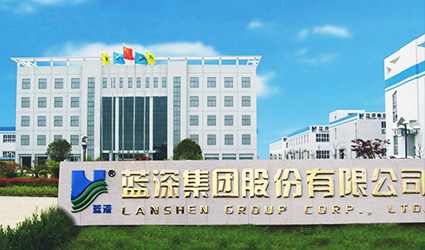
Founded in 1958, it is a national environmental protection enterprise and a high-tech enterprise. As a manufacturer of submersible sewage pumps and agitators

13
2026
-
01
Why Municipal Sewage Pumps Are Essential for Urban Infrastructure
Why Municipal Sewage Pumps Are Essential for Urban Infrastructure
Table of Contents
- Introduction to Municipal Sewage Pumps
- The Role of Sewage Pumps in Urban Infrastructure
- Types of Municipal Sewage Pumps
- Key Benefits of Municipal Sewage Pumps
- The Importance of Regular Maintenance
- Challenges Facing Municipal Sewage Pump Systems
- Innovations in Sewage Pump Technology
- Conclusion
- FAQs about Municipal Sewage Pumps
Introduction to Municipal Sewage Pumps
Municipal sewage pumps are vital components of urban infrastructure, responsible for transporting wastewater from homes, businesses, and industries to treatment facilities. These pumps ensure that sewage is efficiently moved through the sewer system, preventing blockages and overflow, which can lead to serious environmental and health hazards. Understanding the operational mechanics and significance of these pumps is crucial for urban planners, engineers, and the general public alike.
The Role of Sewage Pumps in Urban Infrastructure
In urban settings, the volume of sewage generated is substantial. Municipal sewage pumps play a critical role in managing this flow, acting as the backbone of any effective waste management system. Their primary functions include:
1. **Efficient Wastewater Transport**: Pumps facilitate the movement of wastewater quickly and efficiently, minimizing the risk of contamination and overflow.
2. **Protection of Public Health**: By ensuring proper sewage disposal, these pumps help to mitigate the health risks associated with untreated wastewater, such as the spread of waterborne diseases.
3. **Environmental Preservation**: Effective sewage management systems help protect local ecosystems by preventing untreated sewage from entering waterways.
4. **Urban Development Support**: Reliable sewage systems are essential for sustainable urban growth, allowing cities to expand without overburdening existing infrastructure.
Types of Municipal Sewage Pumps
Various types of sewage pumps are employed in municipal systems, each designed for specific applications and environments. Understanding these types is crucial for selecting the right pump for any given situation.
Submersible Sewage Pumps
Submersible pumps are designed to operate while submerged in wastewater. They are highly effective in transporting sewage from low-lying areas to higher elevation points. Key features include:
- **Compact Design**: These pumps are often smaller and more versatile, making them suitable for installations in tight spaces.
- **Automatic Operation**: Many submersible pumps come equipped with float switches that automatically activate the pump when the water level rises, ensuring consistent operation without manual intervention.
Non-Submersible Sewage Pumps
Non-submersible (or above-ground) sewage pumps are located outside the wastewater they are pumping. They typically require a priming mechanism to initiate the flow. Characteristics include:
- **Easier Maintenance**: Since they are not submerged, these pumps are easier to access for repairs and maintenance.
- **Higher Capacity**: Non-submersible pumps are often used in larger installations where significant volumes of sewage need to be transported.
Key Benefits of Municipal Sewage Pumps
The advantages of utilizing municipal sewage pumps in urban infrastructure are numerous. Here are some key benefits:
1. **Reduced Risk of Flooding**: Efficient pumping systems help prevent sewage backups that could lead to flooding, protecting homes and infrastructure.
2. **Enhanced Public Hygiene**: Proper sewage systems contribute to overall public health by ensuring that waste is disposed of safely and efficiently.
3. **Cost-Effectiveness**: Investing in high-quality sewage pumps can reduce long-term maintenance costs and extend the lifespan of the municipal wastewater system.
4. **Regulatory Compliance**: Effective sewage management ensures compliance with local and federal regulations concerning wastewater treatment and disposal.
The Importance of Regular Maintenance
To ensure optimal performance and longevity, regular maintenance of municipal sewage pumps is imperative. Neglecting maintenance can lead to failures that disrupt sewage management and pose health risks. Key maintenance practices include:
- **Routine Inspections**: Periodic checks can identify wear and tear before they lead to significant issues.
- **Cleaning**: Regular removal of debris from pumps and associated piping helps maintain flow efficiency.
- **Lubrication and Parts Replacement**: Keeping moving parts well-lubricated and promptly replacing worn-out components can prevent breakdowns.
Challenges Facing Municipal Sewage Pump Systems
While municipal sewage pumps are essential, they face several challenges that can hinder their effectiveness. Some of these challenges include:
1. **Aging Infrastructure**: Many cities operate on outdated sewage systems that require significant upgrades to meet modern demands.
2. **Environmental Regulations**: Stricter environmental laws necessitate continuous upgrades and compliance measures, which can strain municipal budgets.
3. **Increased Population**: Rapid urbanization leads to higher sewage volumes, putting additional pressure on existing systems.
4. **Funding Limitations**: Many municipalities struggle with limited funding for necessary infrastructure improvements and maintenance.
Innovations in Sewage Pump Technology
Technological advancements have led to significant improvements in sewage pump design and functionality. Innovations include:
- **Smart Pumps**: Equipped with IoT sensors, these pumps can monitor performance in real-time and alert operators to potential issues, enhancing operational efficiency.
- **Energy-Efficient Designs**: Newer models focus on reducing energy consumption, which is vital for cost savings and environmental sustainability.
- **Biodegradable Materials**: Some manufacturers are exploring the use of biodegradable components to further reduce the environmental impact of sewage systems.
Conclusion
Municipal sewage pumps are undeniably essential for maintaining urban infrastructure and protecting public health. Their role in efficient wastewater management cannot be overstated, as they ensure safe and reliable sewage transport, prevent environmental contamination, and support urban growth. By prioritizing the maintenance and technological advancement of sewage pumps, municipalities can create more sustainable and resilient urban environments that prioritize public health and environmental integrity.
FAQs about Municipal Sewage Pumps
1. What are municipal sewage pumps?
Municipal sewage pumps are machines designed to transport wastewater from one location to another within a city’s sewer system, ensuring effective waste management and sanitation.
2. How do sewage pumps work?
Sewage pumps operate by using mechanical energy to move wastewater through pipes, either by suction (in non-submersible pumps) or by being submerged in the sewage (in submersible pumps).
3. What are the main types of sewage pumps?
The two main types of sewage pumps are submersible pumps, which operate while submerged in wastewater, and non-submersible pumps, which are located above ground.
4. Why is regular maintenance important for sewage pumps?
Regular maintenance is crucial to prevent breakdowns, ensure optimal performance, and extend the lifespan of sewage pumps, ultimately preventing disruptions in wastewater management.
5. What challenges do municipal sewage systems face?
Municipal sewage systems face challenges such as aging infrastructure, increased population, funding limitations, and stricter environmental regulations that necessitate ongoing upgrades and maintenance.
More information

Email: info@lanshengroup.com
Email:trade@lanshengroup.com
Tel:86-025-57507802/86-13814194132
Address: NO.305,East Xiongzhou Rd,Liuhe,Nanjing City,Jiangsu Province


Copyright©2024 Nanjing lanshen Pump Corp.LTD All rights reserved.