
-
PRODUCTS
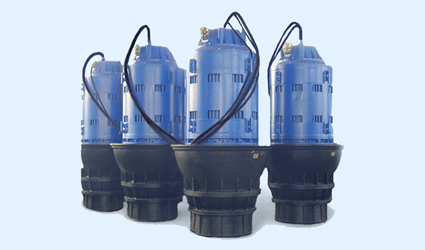
We adhere to independent innovation in science and technology and possess core technologies in the research and development, production and manufacturing of submersible pump products.
-

PROJECTS
Lanshen people are working hand in hand with friends from all walks of life to fulfill the corporate purpose of "creating a green environment and being responsible for the future", becoming the investment subject and partner of many projects, and constantly rewriting the history of China's water industry.
-

NEWS
Follow our updates in real time, from the known to the unknown, the exploration never stops
-

ABOUT
Founded in 1958, it is a national environmental protection enterprise and a high-tech enterprise. As a manufacturer of submersible sewage pumps and agitators

23
2026
-
01
Choosing the Right ABS Sewage Pump for Your Industrial Needs
Choosing the Right ABS Sewage Pump for Your Industrial Needs
When it comes to managing wastewater in industrial settings, selecting the right sewage pump is crucial. **ABS sewage pumps** are renowned for their reliability and performance, making them a popular choice in various applications. In this article, we will explore everything you need to know about choosing the right ABS sewage pump for your industrial needs, ensuring that you make an informed decision that enhances your operational efficiency.
Table of Contents
1. Understanding Sewage Pumps and Their Functionality
2. Importance of Sewage Pumps in Industrial Settings
3. Key Features of ABS Sewage Pumps
- 3.1 Design and Materials
- 3.2 Performance Metrics
- 3.3 Energy Efficiency
4. Types of ABS Sewage Pumps
- 4.1 Submersible Sewage Pumps
- 4.2 Dry Pit Sewage Pumps
5. How to Choose the Right ABS Sewage Pump for Your Needs
- 5.1 Assessing Your Wastewater Needs
- 5.2 Considering Pump Capacity
- 5.3 Evaluating Head Pressure and Lift
6. Installation and Maintenance of ABS Sewage Pumps
7. Cost Considerations for ABS Sewage Pumps
8. Frequently Asked Questions (FAQs)
9. Conclusion
Understanding Sewage Pumps and Their Functionality
Sewage pumps are specifically designed to transport wastewater and sewage from lower to higher elevations or to a treatment facility. They play a critical role in the management of waste, especially in industrial environments where large volumes of wastewater are produced. **Sewage pumps** must be robust, reliable, and capable of handling solids and debris, ensuring smooth operation without frequent breakdowns.
Importance of Sewage Pumps in Industrial Settings
In industrial settings, the importance of efficient wastewater management cannot be overstated. Improper disposal of sewage can lead to environmental hazards, health risks, and regulatory penalties. The right sewage pump ensures that wastewater is effectively transported, reducing the risk of spills and enhancing compliance with environmental regulations. Moreover, investing in high-quality sewage pumps like **ABS** can result in lower operational costs and improved productivity.
Key Features of ABS Sewage Pumps
When evaluating **ABS sewage pumps**, several key features set them apart from other brands. Understanding these features will help you make an informed choice.
Design and Materials
**ABS sewage pumps** are constructed from high-quality materials that resist corrosion and wear, ensuring longevity. The design often incorporates advanced engineering techniques to enhance performance and reduce maintenance needs. The use of robust materials also contributes to the pump's ability to handle abrasive solids and sludge, which are common in industrial wastewater.
Performance Metrics
Performance metrics such as flow rate, total dynamic head (TDH), and pump efficiency are critical when selecting a sewage pump. **ABS pumps** are known for their high performance in terms of flow rates, making them suitable for various industrial applications. Understanding these metrics aids in selecting a pump that meets specific operational demands.
Energy Efficiency
Energy efficiency is a vital consideration when choosing a sewage pump. **ABS sewage pumps** are designed to minimize energy consumption, which can significantly reduce operational costs over time. Look for pumps with energy-efficient motors and variable frequency drives that can adapt to the fluctuating demands of your wastewater management system.
Types of ABS Sewage Pumps
When selecting ABS sewage pumps, it's essential to understand the different types available:
Submersible Sewage Pumps
Submersible pumps are designed to operate submerged in wastewater. They are ideal for applications where space is limited or where pumping from below the water surface is necessary. **ABS submersible pumps** are compact, efficient, and reduce the risk of flooding in industrial settings.
Dry Pit Sewage Pumps
Dry pit sewage pumps are installed in a dry location, typically above the wastewater level. They are connected to the sewage system via pipes and are suited for larger industrial applications where high flow rates are required. **ABS dry pit pumps** are known for their reliability and ease of maintenance.
How to Choose the Right ABS Sewage Pump for Your Needs
Choosing the right ABS sewage pump involves considering several factors tailored to your specific requirements.
Assessing Your Wastewater Needs
The first step in selecting a sewage pump is to assess your wastewater characteristics. This includes understanding the types of solids and debris in the wastewater, as well as the volume you need to pump. This assessment will guide you in selecting a pump capable of handling your unique wastewater profile.
Considering Pump Capacity
Pump capacity is measured in terms of flow rate (typically in gallons per minute or liters per second). It’s crucial to choose a pump with a capacity that matches your needs. Consider peak flow rates, as well as average flow demands, to ensure the pump can adequately handle wastewater during high-demand periods.
Evaluating Head Pressure and Lift
**Head pressure** refers to the height to which the pump must lift the wastewater, while ***lift* refers to the vertical distance from the pump's location to the discharge point. Understanding these parameters will help you select a pump that can effectively manage the required lift without compromising performance.
Installation and Maintenance of ABS Sewage Pumps
Proper installation and regular maintenance are crucial for the longevity and efficiency of sewage pumps. Ensure that the pump is installed by qualified personnel to prevent issues related to improper setup. Regularly scheduled maintenance should include inspecting for wear, checking seals and gaskets, and ensuring that the pump operates smoothly. Investing in routine maintenance can extend the life of your ABS sewage pump and reduce unexpected downtime.
Cost Considerations for ABS Sewage Pumps
When budgeting for an ABS sewage pump, it’s essential to consider not only the initial purchase price but also the long-term operational costs. Energy efficiency, maintenance needs, and expected lifespan all contribute to the overall cost of ownership. While a higher initial investment may seem daunting, choosing a pump with superior performance and efficiency can lead to significant savings in the long run.
Frequently Asked Questions (FAQs)
1. What is the typical lifespan of an ABS sewage pump?
The lifespan of an ABS sewage pump can vary based on usage and maintenance but typically ranges from 10 to 15 years with proper care.
2. How do I know if my sewage pump needs replacement?
Signs that your sewage pump may need replacement include frequent breakdowns, unusual noises, decreased performance, and visible wear on critical components.
3. Can ABS sewage pumps handle solids in wastewater?
Yes, ABS sewage pumps are designed to handle wastewater containing solids and debris, making them suitable for industrial applications.
4. What is the difference between submersible and dry pit sewage pumps?
Submersible pumps operate submerged in wastewater, while dry pit pumps are installed above ground. The choice between the two depends on your application's specific requirements.
5. Are ABS sewage pumps energy-efficient?
Yes, ABS sewage pumps are designed with energy efficiency in mind, helping to reduce operational costs while maintaining performance.
Conclusion
Choosing the right ABS sewage pump for your industrial needs requires careful consideration of various factors, from assessing wastewater characteristics to understanding pump performance metrics. With their robust design, energy efficiency, and ability to handle solids, ABS sewage pumps offer reliable solutions for wastewater management. By investing in the right pump, you can enhance operational efficiency, comply with environmental regulations, and contribute to sustainable industrial practices. Prioritize your needs and conduct thorough research to ensure that your selection of an ABS sewage pump aligns with your operational goals.
More information

Email: info@lanshengroup.com
Email:trade@lanshengroup.com
Tel:86-025-57507802/86-13814194132
Address: NO.305,East Xiongzhou Rd,Liuhe,Nanjing City,Jiangsu Province


Copyright©2024 Nanjing lanshen Pump Corp.LTD All rights reserved.