
-
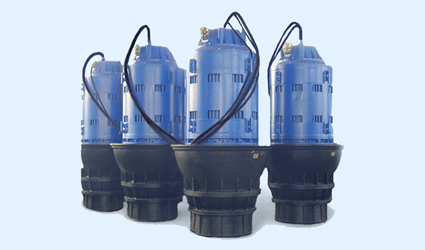
PRODUCTS
We adhere to independent innovation in science and technology and possess core technologies in the research and development, production and manufacturing of submersible pump products.
-

PROJECTS
Lanshen people are working hand in hand with friends from all walks of life to fulfill the corporate purpose of "creating a green environment and being responsible for the future", becoming the investment subject and partner of many projects, and constantly rewriting the history of China's water industry.
-

NEWS
Follow our updates in real time, from the known to the unknown, the exploration never stops
-
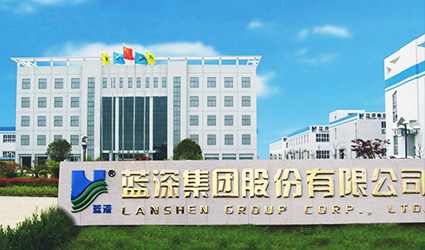
ABOUT
Founded in 1958, it is a national environmental protection enterprise and a high-tech enterprise. As a manufacturer of submersible sewage pumps and agitators

02
2026
-
02
How to Choose the Right Sewage Pump for Your Facility: A Comprehensive Guide
How to Choose the Right Sewage Pump for Your Facility
Choosing the appropriate sewage pump for your facility is a critical decision that can vastly affect your operations. Factors like the type of sewage, the pump's capacity, and its installation environment all play significant roles in your selection process. This comprehensive guide will walk you through everything you need to know to make an informed decision and ensure the longevity and effectiveness of your sewage pump.
Understanding Sewage Pumps: An Overview
Sewage pumps are designed to transport wastewater from one location to another, typically from lower to higher elevations. They are essential in both residential and commercial settings where gravity flow is not feasible. Understanding the different types of sewage pumps available can help you determine which one is best suited for your facility's needs.
Types of Sewage Pumps
1. **Submersible Sewage Pumps**: These pumps are designed to be submerged in the sewage they are pumping. They are efficient and ideal for situations where the sewage source is below the level of the discharge pipe.
2. **Effluent Pumps**: Used primarily for pumping lightly contaminated water, effluent pumps are often employed in systems where solids are minimal. They are not suitable for raw sewage.
3. **Sewage Ejector Pumps**: These are specially designed to handle raw sewage with larger solids. Ejector pumps are typically installed below the sewer line and force wastewater upward into the sewer system.
The Importance of Choosing the Right Pump
Selecting the correct sewage pump is vital for several reasons:
- **Operational Efficiency**: The right pump ensures that wastewater is effectively transported, reducing the risk of backups and overflow.
- **Longevity**: A well-suited pump will have a longer lifespan, minimizing maintenance and replacement costs.
- **Health and Safety**: Correct sewage handling prevents hazardous situations, protecting both facility employees and the environment.
Key Factors to Consider When Choosing a Sewage Pump
When selecting a sewage pump, several critical factors must be considered to ensure optimal performance and suitability.
1. Pumping Capacity
The capacity of a sewage pump, measured in gallons per minute (GPM), depends on the volume of wastewater your facility generates. It’s essential to choose a pump that can handle your peak flow rates to avoid overworking the motor and causing premature failure.
2. Head Pressure
Head pressure refers to the vertical distance the pump must move the sewage. Calculating the total dynamic head (TDH) is crucial for ensuring the pump can effectively transport the sewage to the discharge point. Factors influencing head pressure include:
- **Vertical lift**
- **Friction loss in pipes**
- **Any changes in elevation**
3. Type of Sewage and Solids Content
Identifying the type of sewage your facility produces is vital. Raw sewage will contain solids and debris, requiring a pump capable of handling such materials. In contrast, effluent wastewater with minimal solid content can be handled by lighter-duty pumps.
4. Installation Environment
The environment in which the pump will be installed can influence your choice. For instance, submersible pumps are ideal for wet conditions, whereas other types may be better suited for dry locations. Assess the space available and any potential hazards, like exposure to corrosive materials.
5. Material Construction
The materials used in the construction of the pump will affect its durability and suitability for your environment. Stainless steel and cast iron are common materials that provide resilience against corrosion and wear.
6. Power Supply and Efficiency
Electric sewage pumps are the most common, but it's crucial to ensure your facility can provide the necessary power supply. Consider energy-efficient models that can save you money on electricity costs over time.
7. Maintenance Requirements
Different pumps have varying maintenance needs. It's important to choose a pump that aligns with your facility's ability to perform regular maintenance and inspections. Some pumps come with features that simplify maintenance, such as easy access to impellers.
Installation and Setup of Your Sewage Pump
Once you have selected the right sewage pump, the next step is proper installation. A poorly installed pump can lead to numerous issues, including inefficient operation and damage.
1. Site Preparation
Ensure the installation site is clean and ready for the sewage pump. Clear any obstacles and prepare a solid base that can support the pump's weight.
2. Piping Configuration
Proper piping is essential for the effective operation of your sewage pump. Ensure that piping is appropriately sized and configured to minimize friction loss and prevent clogs.
3. Electrical Connections
If you’re installing an electric pump, ensure that all electrical connections comply with local codes and safety regulations. It’s advisable to have a qualified electrician involved in this part of the installation.
4. Testing the System
After installation, conduct thorough testing to ensure the pump operates effectively. Check for leaks, listen for unusual noises, and verify that the pump can handle the expected flow rates without issues.
Maintenance Best Practices for Sewage Pumps
Regular maintenance is essential to ensure your sewage pump operates efficiently and has a long service life. Here are some best practices to follow:
1. Routine Inspections
Conduct regular inspections to check for signs of wear and tear. Look for leaks, unusual noises, or vibrations that could indicate potential problems.
2. Clean the Pump and Components
Debris can build up in and around the pump, affecting its performance. Regularly clean the pump and its components to prevent clogging.
3. Monitor Performance Metrics
Keep an eye on the pump's performance metrics, such as flow rate and energy consumption. Any fluctuations may indicate an issue that needs addressing.
4. Professional Servicing
Consider scheduling professional servicing periodically. An expert can identify potential problems and perform repairs or replacements as needed.
Common Issues with Sewage Pumps and How to Address Them
Understanding common problems associated with sewage pumps can help you troubleshoot issues more effectively.
1. Clogs and Blockages
Clogs can occur due to the accumulation of debris or foreign objects. Regular cleaning and maintenance can minimize this issue.
2. Power Failures
Power outages can disrupt operation. Consider installing a backup generator to ensure continued pump function during outages.
3. Mechanical Failures
Wear and tear on mechanical components can lead to pump failure. Regular inspections and timely replacements can mitigate this risk.
4. Poor Performance
If the pump fails to operate efficiently, check the electrical connections, power supply, and the condition of the impeller. These factors often contribute to poor performance.
Frequently Asked Questions (FAQs) About Sewage Pumps
1. What is the average lifespan of a sewage pump?
Typically, sewage pumps can last between 5 to 15 years, depending on usage and maintenance.
2. Can I install a sewage pump myself?
While it's possible to install a sewage pump yourself, hiring a professional is recommended to ensure proper installation and compliance with local regulations.
3. How often should I perform maintenance on my sewage pump?
Regular inspections should be conducted every 6 months, with thorough maintenance performed at least once a year.
4. What should I do if my sewage pump stops working?
Check the power supply and electrical connections first. If everything appears normal, consult a professional to diagnose the issue.
5. Are there any specific safety precautions to consider?
Always follow safety protocols, including wearing protective gear and ensuring the area is well-ventilated when working with sewage pumps.
Conclusion
Choosing the right sewage pump for your facility involves careful consideration of various factors, including capacity, head pressure, and installation environment. By understanding the different types of pumps available and the specific needs of your facility, you can make an informed decision that enhances operational efficiency and safeguards public health. Regular maintenance and proactive troubleshooting will further ensure that your sewage pump operates effectively for years to come.
More information

Email: info@lanshengroup.com
Email:trade@lanshengroup.com
Tel:86-025-57507802/86-13814194132
Address: NO.305,East Xiongzhou Rd,Liuhe,Nanjing City,Jiangsu Province


Copyright©2024 Nanjing lanshen Pump Corp.LTD All rights reserved.