
-
PRODUCTS
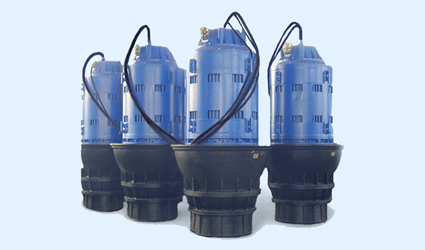
We adhere to independent innovation in science and technology and possess core technologies in the research and development, production and manufacturing of submersible pump products.
-

PROJECTS
Lanshen people are working hand in hand with friends from all walks of life to fulfill the corporate purpose of "creating a green environment and being responsible for the future", becoming the investment subject and partner of many projects, and constantly rewriting the history of China's water industry.
-

NEWS
Follow our updates in real time, from the known to the unknown, the exploration never stops
-
ABOUT
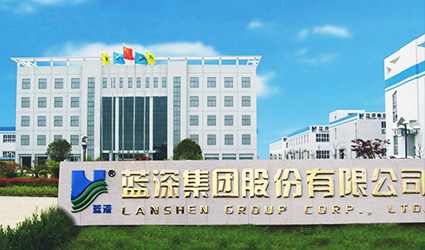
Founded in 1958, it is a national environmental protection enterprise and a high-tech enterprise. As a manufacturer of submersible sewage pumps and agitators

12
2026
-
02
Exploring the Different Types of Municipal Sewage Pumps: A Comprehensive Guide
Exploring the Different Types of Municipal Sewage Pumps
Table of Contents
- Introduction to Municipal Sewage Pumps
- The Importance of Municipal Sewage Pumps in Waste Management
- Types of Municipal Sewage Pumps
- Centrifugal Sewage Pumps
- Submersible Sewage Pumps
- Positive Displacement Pumps
- Grinder Pumps
- Diaphragm Pumps
- Key Factors to Consider When Choosing a Sewage Pump
- Maintenance Tips for Municipal Sewage Pumps
- Applications of Municipal Sewage Pumps
- The Future of Municipal Sewage Pump Technology
- Frequently Asked Questions
- Conclusion
Introduction to Municipal Sewage Pumps
Municipal sewage pumps play a vital role in the effective management of wastewater in urban environments. These pumps are engineered to transport sewage and wastewater from homes, businesses, and industrial facilities to treatment plants. Understanding the different types of sewage pumps available can help municipalities and engineers make informed decisions regarding waste management solutions.
The Importance of Municipal Sewage Pumps in Waste Management
Effective waste management is critical for maintaining public health and environmental safety. Municipal sewage pumps ensure that sewage and wastewater are efficiently collected and transported for treatment, thereby preventing overflow and contamination. By investing in the right sewage pump technology, municipalities can improve their waste management systems, reduce operational costs, and enhance the quality of life for residents.
Types of Municipal Sewage Pumps
There are several types of municipal sewage pumps, each designed for specific applications and operational requirements. The following sections will explore the most common types of sewage pumps used in municipal systems.
Centrifugal Sewage Pumps
Centrifugal sewage pumps are the most widely used type in municipal waste management. These pumps utilize a rotating impeller to create centrifugal force, which moves sewage through the pump. They are suitable for transporting large volumes of wastewater over long distances and can handle solids up to a certain size, making them ideal for municipal applications.
**Key Features:**
- High flow rates
- Efficient energy consumption
- Versatile applications
Submersible Sewage Pumps
Submersible sewage pumps are designed to operate underwater, making them suitable for applications where wastewater must be lifted from deep pits or basements. These pumps are sealed to prevent flooding and are often utilized in residential and commercial settings for sump pump applications.
**Key Features:**
- Compact design
- Reduced noise levels
- Minimal maintenance requirements
Positive Displacement Pumps
Positive displacement pumps work by trapping a fixed amount of sewage and then displacing it through the pump. These pumps are often used in situations where precise flow control is necessary. They are highly effective in handling viscous fluids and can manage solids effectively.
**Key Features:**
- Consistent flow rates
- Ability to handle tough materials
- Suitable for varying pressure conditions
Grinder Pumps
Grinder pumps are specifically designed to grind sewage and solids into smaller particles before pumping them to treatment facilities. This is particularly useful in applications where sewage must be pumped over long distances or uphill, as smaller particles reduce the risk of clogs.
**Key Features:**
- Efficient clog prevention
- High-pressure capabilities
- Ideal for challenging installations
Diaphragm Pumps
Diaphragm pumps utilize a flexible diaphragm to create suction and move sewage through the system. They are excellent for applications requiring gentle handling of materials and are often used in chemical processing and applications with variable flow rates.
**Key Features:**
- Self-priming capability
- Handles abrasive materials
- Versatile in various applications
Key Factors to Consider When Choosing a Sewage Pump
Selecting the right sewage pump for municipal applications involves several considerations that can impact operational efficiency and longevity. Here are crucial factors to evaluate:
1. Flow Rate Requirements
Understanding the flow rate required for your application is essential. This will determine the size and type of pump needed to ensure efficient operation.
2. Total Dynamic Head (TDH)
Total dynamic head refers to the total height that the sewage must be lifted, including any friction losses. Evaluating TDH will help in selecting a pump capable of overcoming these challenges.
3. Solid Handling Capability
Different pumps have varying capacities for handling solids. Choose a pump that can manage the size and type of solids present in your sewage application.
4. Energy Efficiency
Energy consumption is a significant operating cost for municipal systems. Opt for pumps that provide optimal energy efficiency to reduce long-term costs.
5. Maintenance Requirements
Consider the maintenance needs of the pump. Some pumps require regular servicing, while others are designed for minimal upkeep.
Maintenance Tips for Municipal Sewage Pumps
Proper maintenance is critical for ensuring the longevity and reliability of municipal sewage pumps. Here are several essential tips:
1. Regular Inspections
Conduct routine inspections to identify any signs of wear or damage. Look for leaks, unusual noises, and performance issues.
2. Clean the Pump System
Debris can accumulate in sewage pumps, leading to clogs and decreased performance. Regularly clean the pump and surrounding areas to ensure optimal operation.
3. Check Electrical Components
For electric pumps, inspect wiring and connections to ensure they are secure and free of damage. Faulty electrical components can lead to pump failure.
4. Lubrication
Lubricate bearings and other moving parts as recommended by the manufacturer to prevent friction and wear.
5. Replace Worn Parts
Identify and replace any worn or damaged parts promptly to avoid more significant issues down the line.
Applications of Municipal Sewage Pumps
Municipal sewage pumps find applications in various settings, each necessitating specific design and operational considerations. Here are some common applications:
1. Wastewater Treatment Plants
Pumps are used to transport sewage to treatment facilities, ensuring efficient processing and cleanup.
2. Lift Stations
In areas where gravity flow is insufficient, lift stations use pumps to elevate sewage to a higher elevation for proper transportation.
3. Residential and Commercial Buildings
Submersible pumps are often employed in basements and sumps to prevent flooding and manage wastewater.
4. Industrial Applications
Various industries rely on sewage pumps to manage wastewater efficiently, particularly in manufacturing and processing plants.
The Future of Municipal Sewage Pump Technology
The future of sewage pump technology is increasingly focused on sustainability, energy efficiency, and smart technology. Innovations in pump design and operation are likely to include:
1. Smart Pump Technology
Integration of IoT and smart technologies will allow for real-time monitoring and predictive maintenance, enhancing operational efficiency.
2. Energy-Efficient Designs
New designs aim to reduce energy consumption, making pumps more sustainable and cost-effective in the long term.
3. Advanced Materials
Use of advanced materials will improve durability and reduce wear and tear, extending the lifespan of pumps in harsh environments.
Frequently Asked Questions
What is the typical lifespan of a municipal sewage pump?
The lifespan of a municipal sewage pump generally ranges from 10 to 20 years, depending on usage, maintenance, and the environment.
How often should municipal sewage pumps be inspected?
It is recommended to conduct inspections at least once every six months, with more frequent checks in high-demand situations.
Can sewage pumps handle non-sewage materials?
Certain pumps, particularly grinder pumps, can handle non-sewage materials, but it is essential to consult the manufacturer’s specifications.
What are the signs of a failing sewage pump?
Signs of a failing sewage pump include unusual noises, decreased performance, leaks, and frequent cycling on and off.
Are submersible pumps better than centrifugal pumps?
The choice between submersible and centrifugal pumps depends on the specific application. Submersible pumps are ideal for deep installations, while centrifugal pumps excel in high flow applications.
Conclusion
Municipal sewage pumps are indispensable components of modern waste management systems. Understanding the different types available, along with their applications and key selection criteria, is crucial for optimizing sewage management strategies. By making informed choices and investing in reliable technology, municipalities can enhance their waste management processes and ensure a cleaner, healthier environment for everyone. Embracing innovative advancements will further improve the efficiency and effectiveness of sewage pump systems in the future.
More information

Email: info@lanshengroup.com
Email:trade@lanshengroup.com
Tel:86-025-57507802/86-13814194132
Address: NO.305,East Xiongzhou Rd,Liuhe,Nanjing City,Jiangsu Province


Copyright©2024 Nanjing lanshen Pump Corp.LTD All rights reserved.