
-
PRODUCTS
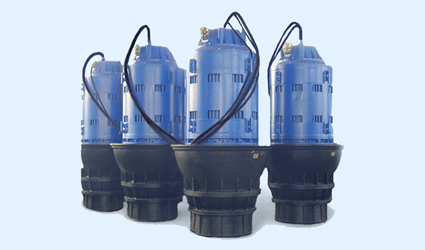
We adhere to independent innovation in science and technology and possess core technologies in the research and development, production and manufacturing of submersible pump products.
-

PROJECTS
Lanshen people are working hand in hand with friends from all walks of life to fulfill the corporate purpose of "creating a green environment and being responsible for the future", becoming the investment subject and partner of many projects, and constantly rewriting the history of China's water industry.
-

NEWS
Follow our updates in real time, from the known to the unknown, the exploration never stops
-

ABOUT
Founded in 1958, it is a national environmental protection enterprise and a high-tech enterprise. As a manufacturer of submersible sewage pumps and agitators

04
2026
-
03
The Comprehensive Guide to the Installation Process of Horizontal Multi Grade Pumps: Step-by-Step
The Comprehensive Guide to the Installation Process of Horizontal Multi Grade Pumps: Step-by-Step
Table of Contents
- 1. Introduction to Horizontal Multi Grade Pumps
- 2. Understanding Different Types of Pumps
- 3. Importance of Proper Installation
- 4. Tools and Materials Needed for Installation
- 5. Pre-Installation Checks and Preparations
- 6. Step-by-Step Installation Process
- 6.1 Step 1: Site Preparation
- 6.2 Step 2: Pump Base Installation
- 6.3 Step 3: Mounting the Pump
- 6.4 Step 4: Connecting the Piping
- 6.5 Step 5: Electrical Connections
- 6.6 Step 6: Final Checks
- 7. Startup Procedure and Testing
- 8. Maintenance Tips for Longevity
- 9. Common Installation Issues and Solutions
- 10. Conclusion
- 11. FAQs
1. Introduction to Horizontal Multi Grade Pumps
Horizontal multi-grade pumps are designed for transporting liquids across various applications, including industrial, agricultural, and municipal sectors. These pumps feature a horizontal configuration, which allows them to handle high flow rates and pressures efficiently. Understanding the installation process is crucial for ensuring optimal functionality and longevity of the pump.
2. Understanding Different Types of Pumps
To successfully install a horizontal multi-grade pump, it is essential to recognize the types of pumps available. Key categories include:
- **Centrifugal Pumps:** Often used for water and light liquids, these pumps rely on rotational energy.
- **Positive Displacement Pumps:** Ideal for viscous fluids, these pumps move fluids by trapping a fixed volume and forcing it through the discharge.
- **Submersible Pumps:** Designed for underwater applications, these pumps operate while submerged.
By understanding these types, one can better appreciate the specific advantages of horizontal multi-grade pumps.
3. Importance of Proper Installation
Proper installation of horizontal multi-grade pumps is critical for several reasons:
- **Efficiency:** Correct installation minimizes energy consumption and maximizes flow rates.
- **Longevity:** A well-installed pump is less likely to experience wear and tear, extending its lifespan.
- **Safety:** Proper setup reduces the risk of leaks, which can pose safety hazards.
Neglecting these aspects can lead to costly repairs and downtime.
4. Tools and Materials Needed for Installation
Before starting the installation process, gather the following tools and materials:
- **Tools:**
- Wrenches and sockets
- Screwdrivers
- Leveling tools
- Pipe wrenches
- Electrical tools (multimeter, wire strippers)
- **Materials:**
- Gaskets and seals
- Pipe and fittings (PVC, steel, or other materials as required)
- Electrical cables
- Vibration isolators
- Anchor bolts
Having the right tools and materials on hand will facilitate a smooth installation process.
5. Pre-Installation Checks and Preparations
Prior to installation, conduct the following checks:
- **Review Specifications:** Understand the pump’s specifications and requirements.
- **Site Assessment:** Assess the installation site for accessibility, space, and environmental conditions.
- **Check Utilities:** Ensure electrical and plumbing systems are ready for connection.
- **Safety Measures:** Verify all safety protocols are in place to protect personnel and equipment.
These pre-installation checks are vital for a successful outcome.
6. Step-by-Step Installation Process
A successful installation involves several critical steps:
6.1 Step 1: Site Preparation
Begin by preparing the installation site. Clear the area of debris and ensure the surface is level and stable. If necessary, construct a base or platform to support the pump, ensuring it is sturdy enough to handle the pump's weight and vibrations.
6.2 Step 2: Pump Base Installation
The pump base is crucial for stability. Align the base with the mounting holes and secure it using anchor bolts. Use a level to ensure the base is perfectly horizontal, as this will affect the pump's performance.
6.3 Step 3: Mounting the Pump
Position the pump onto the installed base. Ensure that it aligns with the suction and discharge piping. Secure the pump using bolts, ensuring they are tightened evenly to prevent misalignment.
6.4 Step 4: Connecting the Piping
Connect the suction and discharge pipes to the pump. Use appropriate fittings and ensure all connections are tight to prevent leaks. Incorporate any necessary valves for flow control.
6.5 Step 5: Electrical Connections
Carefully connect the pump to the electrical system. Follow the manufacturer's wiring diagram to ensure correct connections. If necessary, consult a professional electrician to verify compliance with electrical codes.
6.6 Step 6: Final Checks
Before starting the pump, conduct final checks. Inspect all connections for tightness and leaks, ensure the motor is properly aligned, and verify that all safety measures are in place. Double-check the electrical connections and ensure that the pump is set to the correct operational parameters.
7. Startup Procedure and Testing
Once installation is complete, it is time to start the pump. Follow these steps for a successful startup:
1. **Prime the Pump:** If required, fill the pump casing with fluid to prevent air pockets.
2. **Check for Leaks:** Turn on the power and monitor all connections for leaks.
3. **Monitor Performance:** Observe the pump’s operation for abnormal noises or vibrations.
4. **Adjust Settings:** If necessary, tweak the pump settings to optimize performance.
Conducting these procedures ensures the pump operates efficiently from the start.
8. Maintenance Tips for Longevity
To ensure the longevity of horizontal multi-grade pumps, adhere to regular maintenance schedules:
- **Routine Inspections:** Check for leaks, wear, and tear on components.
- **Lubrication:** Ensure bearings and moving parts are adequately lubricated according to manufacturer recommendations.
- **Cleaning:** Regularly clean the pump and surrounding area to prevent debris buildup.
- **Monitoring Performance:** Keep an eye on pressure readings and flow rates to detect potential issues early.
Implementing these practices will help maintain optimal performance.
9. Common Installation Issues and Solutions
During installation, various issues may arise. Here are a few common problems and their solutions:
- **Misalignment:** Ensure the pump and motor are properly aligned to prevent excess wear.
- **Vibration:** If vibrations occur, check mounting and support structures, and consider adding vibration isolators.
- **Leakage:** Inspect all connections, gaskets, and seals for integrity and replace any faulty components.
Addressing these issues promptly can prevent more significant problems down the line.
10. Conclusion
Installing a horizontal multi-grade pump requires careful planning, execution, and ongoing maintenance. By following this comprehensive guide, you can ensure a successful installation that maximizes efficiency and extends the life of your pump system. Remember, attention to detail during installation not only enhances performance but also significantly reduces the risk of future complications.
11. FAQs
What is a horizontal multi-grade pump?
Horizontal multi-grade pumps are centrifugal pumps designed to transport liquids efficiently across various applications. They operate with a horizontal shaft and can handle high flow rates and pressures.
How do I choose the right pump size?
Selecting the correct pump size involves calculating the required flow rate, head pressure, and considering the liquid's properties. Refer to the manufacturer's specifications for proper sizing.
What maintenance is required for horizontal multi-grade pumps?
Regular maintenance includes routine inspections, lubrication of moving parts, cleaning, and monitoring performance metrics for any deviations from normal operations.
Can I install a pump myself?
While it is possible to install a pump independently, it is advisable to consult professionals, especially for electrical connections or if you're unfamiliar with pump systems.
What are common signs of pump failure?
Common signs of pump failure include unusual noises, vibrations, leaks, reduced performance, and fluctuating pressure readings. Address these signs promptly to avoid complete system failure.
More information

Email: info@lanshengroup.com
Email:trade@lanshengroup.com
Tel:86-025-57507802/86-13814194132
Address: NO.305,East Xiongzhou Rd,Liuhe,Nanjing City,Jiangsu Province


Copyright©2024 Nanjing lanshen Pump Corp.LTD All rights reserved.