
-
PRODUCTS
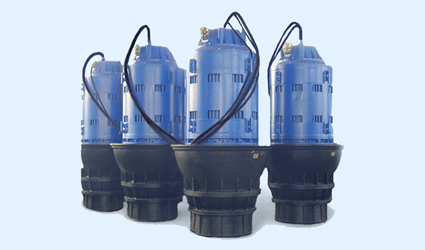
We adhere to independent innovation in science and technology and possess core technologies in the research and development, production and manufacturing of submersible pump products.
-

PROJECTS
Lanshen people are working hand in hand with friends from all walks of life to fulfill the corporate purpose of "creating a green environment and being responsible for the future", becoming the investment subject and partner of many projects, and constantly rewriting the history of China's water industry.
-

NEWS
Follow our updates in real time, from the known to the unknown, the exploration never stops
-
ABOUT
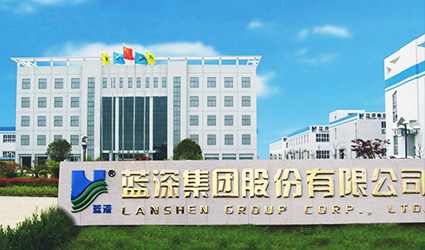
Founded in 1958, it is a national environmental protection enterprise and a high-tech enterprise. As a manufacturer of submersible sewage pumps and agitators

09
2026
-
03
Understanding Municipal Sewage Pumps: Key Insights for Industrial Applications
The primary function of municipal sewage pumps is to lift and transport sewage, which can include a mixture of wastewater, solids, and other materials. These pumps are typically submersible or dry-installed and can vary in size and capacity, depending on the specific needs of the wastewater system. Submersible pumps are often preferred for their ability to handle solids and debris, while dry-installed pumps are easier to maintain and service.
When selecting a municipal sewage pump, several factors should be considered. First, the pump's flow rate and head height requirements must match the specific demands of the sewage system. Flow rate refers to the volume of water that the pump can move per unit of time, while head height indicates how high the pump can lift the sewage. Matching these specifications is crucial for the effective operation of the pump and the overall efficiency of the wastewater management system.
Another important consideration is the pump's material and construction design. Municipal sewage pumps are often constructed from corrosion-resistant materials to withstand the harsh conditions of wastewater environments. Additionally, the pump's impeller design should be evaluated, as it directly impacts the pump's ability to handle solids and prevent clogging.
Maintenance of municipal sewage pumps is also a critical aspect of ensuring long-term performance. Regular inspections and servicing can help identify potential issues before they escalate into more significant problems. Key maintenance practices include checking for wear and tear on pump components, monitoring operating conditions, and ensuring that the pump is properly lubricated.
In summary, municipal sewage pumps are essential components of wastewater management systems, serving to transport sewage efficiently and effectively. Understanding their operational principles, selection criteria, and maintenance requirements can assist professionals in optimizing their use in industrial applications. By prioritizing these factors, organizations can ensure the reliability and longevity of their sewage pumping systems, ultimately contributing to better environmental management and public health outcomes.
More information

Email: info@lanshengroup.com
Email:trade@lanshengroup.com
Tel:86-025-57507802/86-13814194132
Address: NO.305,East Xiongzhou Rd,Liuhe,Nanjing City,Jiangsu Province


Copyright©2024 Nanjing lanshen Pump Corp.LTD All rights reserved.